Autumn is the time of year when there is usually an abundance of free produce kicking around. Apples are the usual suspects. Our humble cooking apple tree has just yielded a record crop of apples and one of the freezer draws is packed to the max with puréed apple unsweetened and ready to use in crumbles, desserts or with a succulent grilled pork chop!
I’ve always romanticised about quinces; Exotic sounding and with origins in the Far East. I love the classic Spanish combo of Manchego cheese and Mebrillo paste or its English version quince jam and a strong mature unpasteurised English cheddar like Keen’s Cheddar .Every year I see my mother-in-law’s japonica shrub laden with fruit and the thought crosses my mind that there’s a jam making opportunity in the offing. Then something else gets in the way! Come Christmas lunch, we’re tucking into the cheeseboard and there’s me wishing I’d grasped the nettle or the quince and made that jam!
I’m also quite competitive, so when, a few weekends ago when my mother-in-law arrived at the door with a bag of quinces, picked from her garden, and threw down the gauntlet by saying “Are these going to end up like the others in the food compost?” I just had to rise to the challenge!
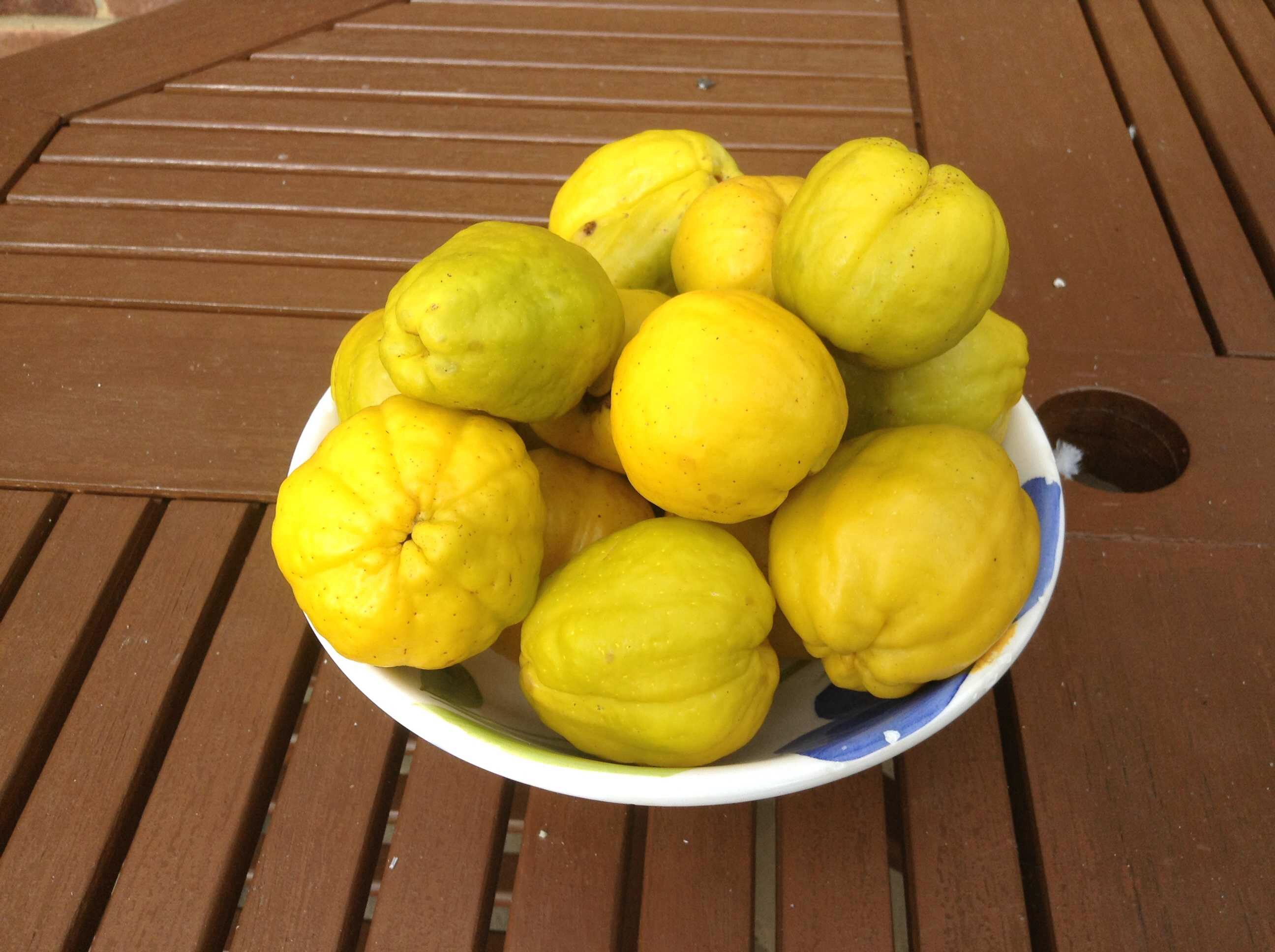
The Quinces Arrived
At this point it hadn’t actually occurred to me that ornamental quinces might not be as cook friendly as the tree varietal and so I set about searching for various recipes. One thing was for sure ,these little golden beauties that had been freshly harvested that morning were also a mass of core and seeds so I was keen to find a recipe that would hopefully minimise the hassle factor.
My research led me to this rough algorithm for creating a jam from these little beauties.
Ingredients
1.5kg of japonica quince
2.25 Litres of water
185g granulated sugar
In addition enough granulated sugar to equal the volume of pulp created after boiling ( around 500g, but do measure out the pulp!)
Enough Jam Jars to fill….
Method:
Clean the quinces by washing and then rubbing dry with a cloth or tea towel.
Cut any bumps from one end of the quinces to enable them sit in the bottom of a large preserving pan or saucepan snuggly during the boiling phase.
Pack the quinces into the preserving pan and add the entire volume of water sprinkling the 185g of granulated over the top so it dissolves in the water. Pre warming the sugar in an oven may accelerate the dissolution speed.
Gradually bring to the boil and Boil gently for 2 hours. After about 90 minutes you will notice that the quince start to turn pink!

Quinces halfway through boiling
Lift out of the pan after 2 hours with a slotted spoon.
Cut in half, remove the pips and core using a small tea spoon if easier ( this is the really fiddly bit and will probably temporarily take away your will to live! Do not give up at this point!)
Take the pulp and pass it through a metal sieve
Take the sieved pulp and any remaining juice weigh this and add an equal proportion of granulated sugar to the pulp.
Return to the saucepan and heat slowly until the sugar dissolves and then boil rapidly for 20 mins.
Make sure you have a supply of sterilised jam jars at the ready.
Once the jam has set ,bottle immediately and enjoy with your favourite cheeses or meats!
We did have a small amount left over after bottling and used this as a taster with a particularly strong English Cheddar.

Quiche Jam, English Cheddar and Walnut Bread
The quince jam was a balance of sweetness and sharp acidity and was a perfect partner to the rich density of the cheddar! Delicious! We also tried this with some lamb chops instead of redcurrant jelly and this also worked extremely well too!
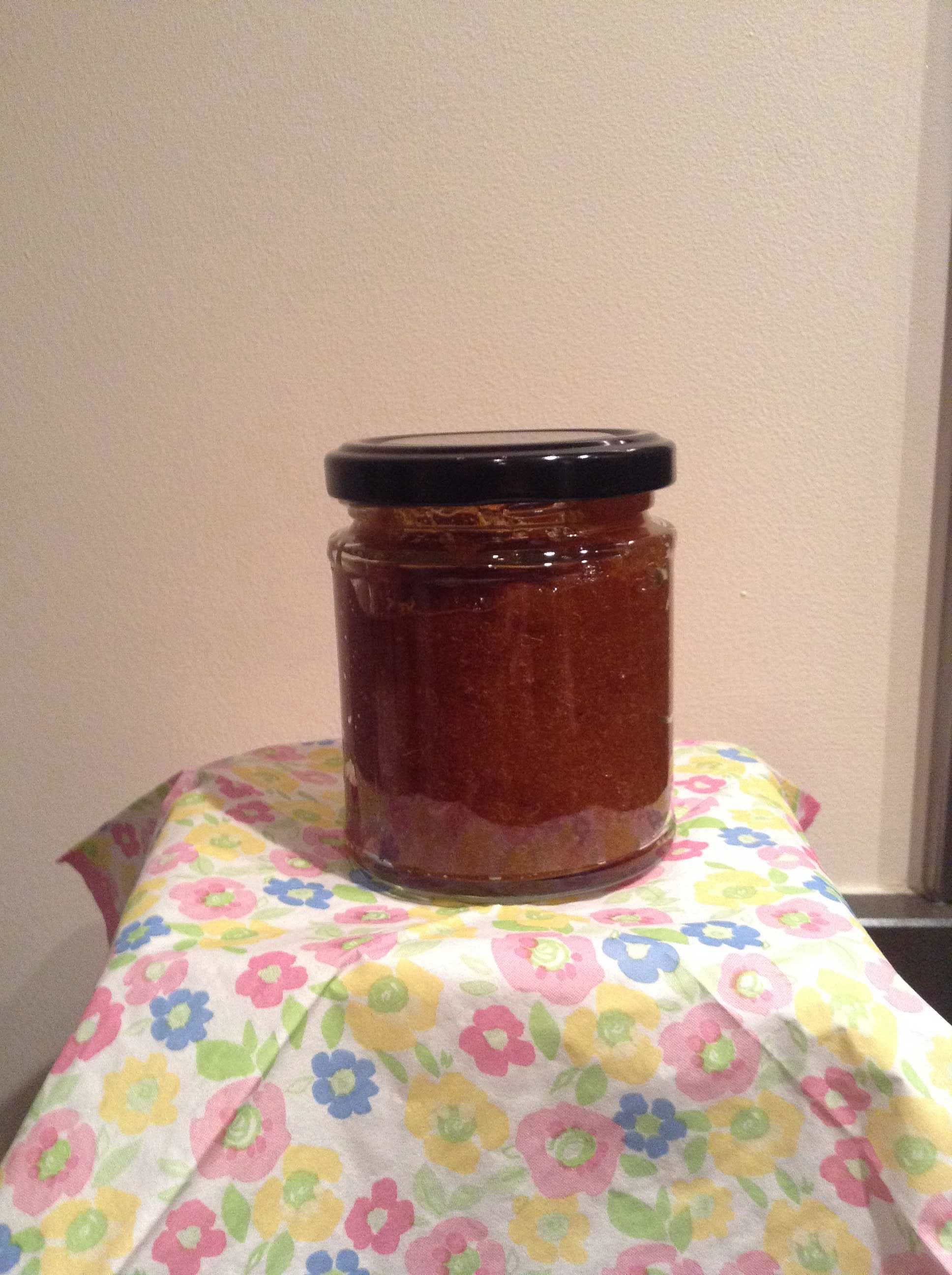
The finished product
I now have 2 jars of this waiting patiently for this year’s Christmas Lunch cheeseboard.
And the best bit is this recipe is as frugal as you like with the total cost of production coming out at less than a few pounds including electricity! Brilliant
 tims food and wine travels