The Uniqueness of Nature – An Interview with Peter Hall of Breaky Bottom

A hermit, the first recipient of a degree in agriculture from the fledgling Newcastle University and a 45 year love affair with a very special place on the South Downs! What’s the connection I hear you ponder? I shall reveal all in due course!

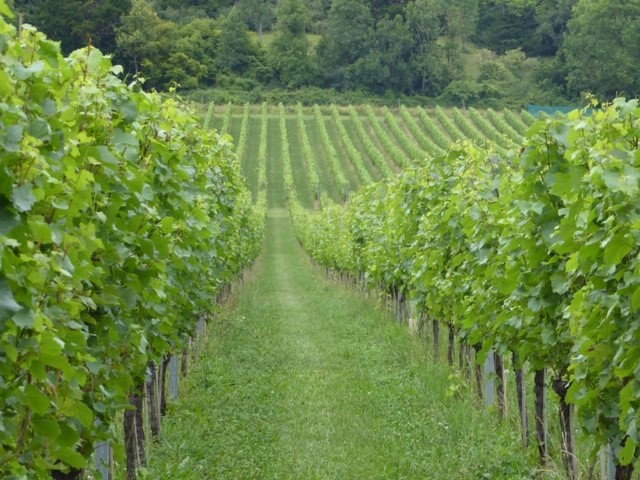
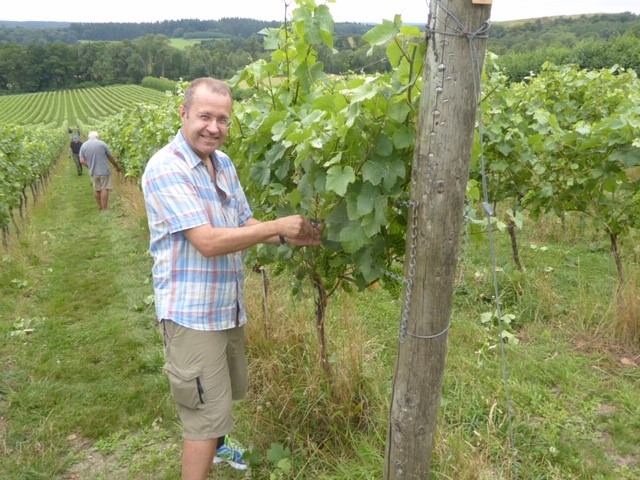
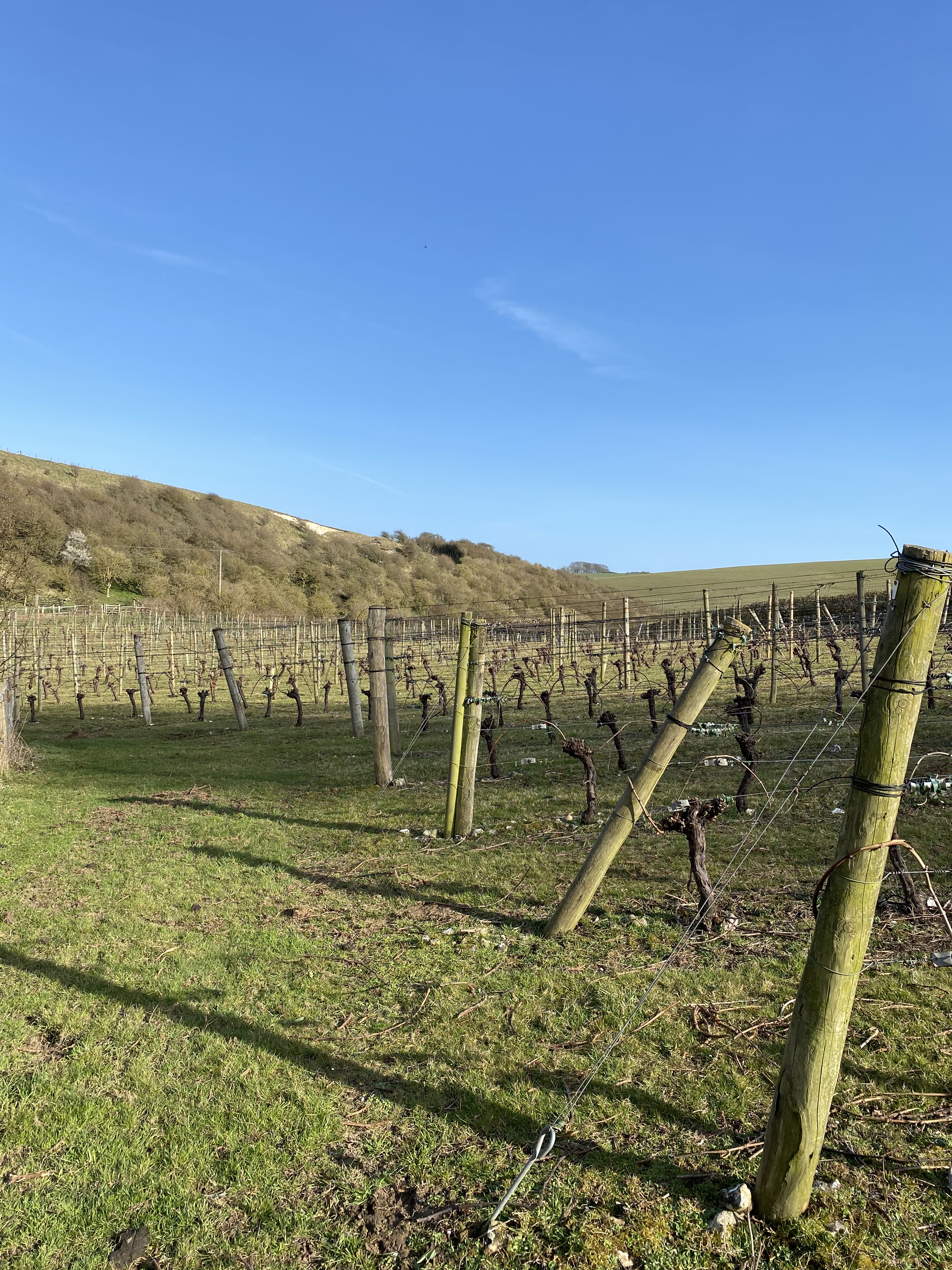
A visitors first glimpse of Breaky Bottom…

The #bigenglishwineeaster #BEWE in on 3rd April 2021. Following on from the success of last years event I wanted to learn more about one of English Wine’s most charismatic characters, Peter Hall of Breaky Bottom near Lewes, East Sussex.

After just fifteen minutes of telephone conversation with Peter I was mesmerised! Peter loves telling stories as much as he loves making wines and his beloved Breaky Bottom!

A quick adjustment to the diary and the very next day we were headed down to meet him and his wife Christina.

Peter’s French grandfather hailed from Normandy, a region known for its gastronomy, cider and of course Calvados but not wine! This however, proved to be an advantage; one that was to have a positive impact on the young Peter. Back in the 1900s the region you lived in France largely dictated the wines you drank. If you hailed from Bordeaux you would have drunk Bordelaise reds and crisp white wines from Sauvignon Blanc and or Semillon. If you lived in Alsace the only red you would have drunk was Pinot Noir!

However, if you were a Normandise then you had the full cellar of France at your disposal unencumbered by the constraints of regional loyalty!

In his later years Peter’s grandfather lived in the Côte d’Azur town of Juan-les-Pins where he would entertain Peter and his brother Remy. Before opening a bottle they were taught to appraise the label, pay respect to the vigneron or Château that produced it and evaluate it thoroughly before tasting it!

Peter recalls his grandfather then telling them ” Remember boys it’s only fermented grape juice!” Before asking them to taste and judge the wine on its smell and taste dismissing the former appraisal! Something that has stayed with Peter ever since.

Peter grew up on a mixed farm in Gloucestershire an influence that would come to bear when he embarked on his own agricultural career! He studied Agriculture at Durham University’s new King’s College, Newcastle that became Newcastle University, the only member of his peer group of forty students to shun a “Dunelm” degree in favour of a “Newcs” on graduation.

Peter strikes me as a man that is not impressed by money, power or influence and is therefore released from the shackles that these bestow on us.

After graduation he worked as a farm post graduate at Northease Farm. With digs in Brighton he would have a long commute and 2 bus journeys to get to the farm to start work at 7am.

After several months of long days and an excess of travel Peter noticed one day from his tractor, the derelict cottage at Breaky Bottom, which nestles in a cleft in the downs.

He persuaded the farmer to let him stay there! It had no electricity and just a stand pipe for running water!

Peter was only due to spend a year there working but had this extended to three years. Way before chatrooms and ClubHouse Peter exchanged information with the other farm hands. He would offer his wisdom on what he considers the greatest of the arts, Music from Schubert to Miles Davis, in exchange for information about the land, the soil and the terroir.

Peter married the farmer’s daughter and in doing so set in motion his permanent residency at Breaky Bottom, his father-in-law offering him a tenancy on Breaky Bottom and its 30 acres.

Peter embarked on his career as a farmer with chickens, turkeys and sheep. He had always enjoyed gardening and it was on a visit to the local nursery in Lewes where the owner showed him an advert in a gardening magazine for a book by Nick Poulter ” Wines from your Vines”

Peter invited Nick down to Breaky Bottom for a consultancy visit but after enjoying a few incredible bottle of wine from Peter’s cellar, exchanging stories and Peter’s food and hospitality the fee was waived!

Peter set about planting Müller-Thurgau and Seyval Blanc. His maiden vintage was in 1976, when as a ten year old I was enjoying a balmy English summer so hot that we had a water shortage. At the time there were only 6 vineyards in England making wines …. today there are several hundred!

Awards in the 1980s followed and his 1990 vintage Seyval Blanc won a Gold Medal in the 1993 International Wine Challenge.

Peter always thought that Seyval Blanc would make great English fizz and so he embarked on making one in 1995, released in 2000 as ‘Millennium Cuvée Maman Mercier’, dedicated to his French mother.

After reluctantly pulling up the Müller-Thurgau he has since planted Chardonnay, Pinot Noir and Pinot Meunier in 2002 and 2004 and switching his focus to just producing sparkling wines.

Jack Pike 2015 Seyval Blanc disgorged in October 2020.

Appearance: Pale lemon.

Nose: Medium plus notes of apple blossom and pear.

Palate: Dry, high acidity, medium alcohol, medium plus body and a long finish. Pronounced aromas of both fresh citrus and caramelised lemon with a hint of tart lemon curd. Apple and pear too. All woven together and wrapped up in a lovely envelope of minerality. Lovely brioche and bready notes from the extended lees ageing. An excellent example of English sparkling Seyval Blanc drinking well now with great ageing potential.
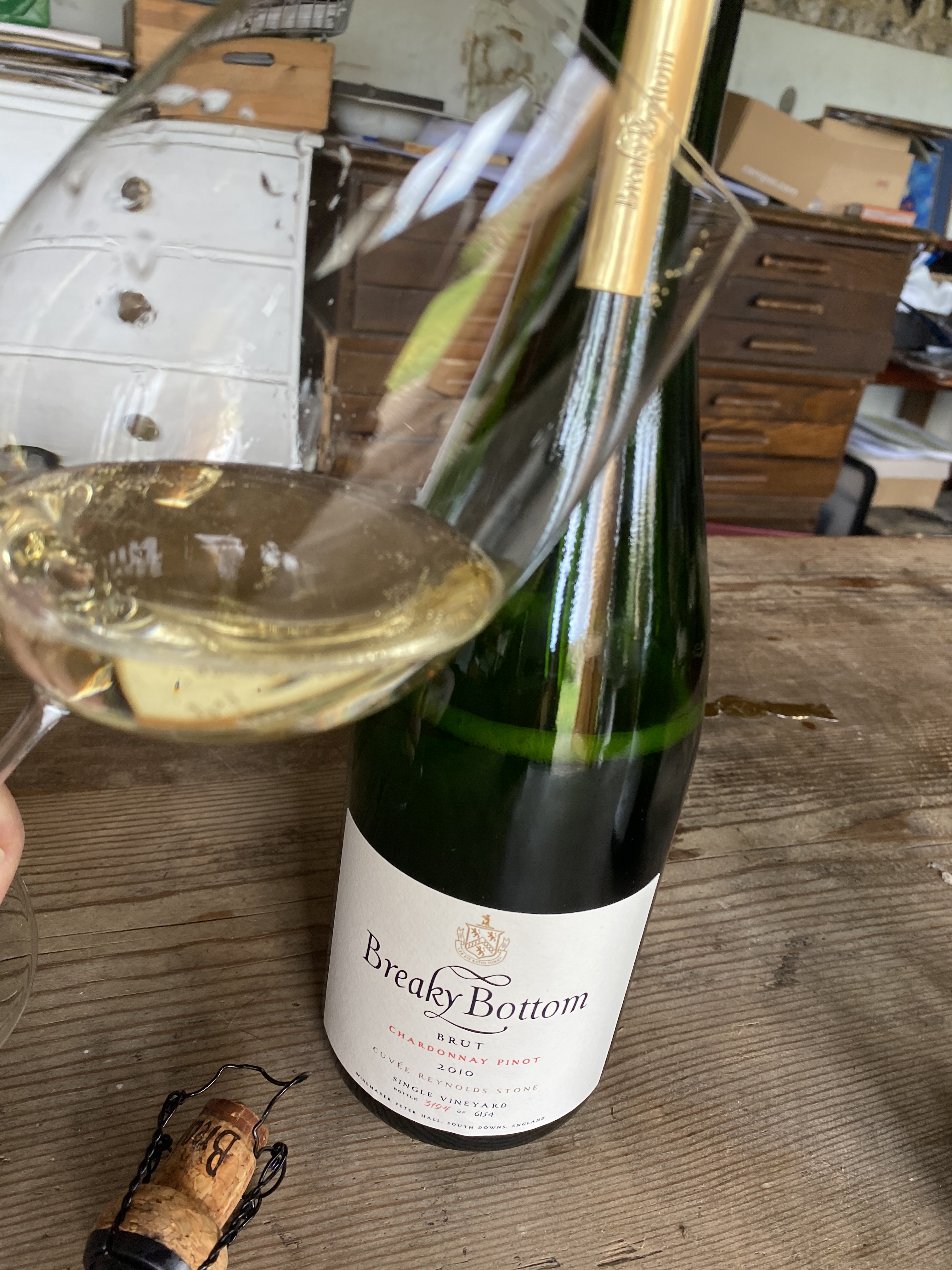
Reynolds Stone 2010 Chardonnay Pinot

Reynolds Stone was the greatest wood engraver in the world, Peter sought him out to produce the Breaky Bottom Logo. His work can also be found on the tombstone of Sir Winston Churchill in Westminster Abbey.

Appearance: Pale gold.

Nose: Pronounced Lemon tarte/tarte citron notes, brioche, redcurrants and whitecurrants.

Palate: Dry, high acidity, medium alcohol, medium plus body, long finish. Pronounced intensity aromas of brioche and pastry continue from the nose with more tarte citron, whitecurrants, raspberry and redcurrants. With all the key components of balance, length, intensity and complexity this is a sensational and a truly outstanding wine.
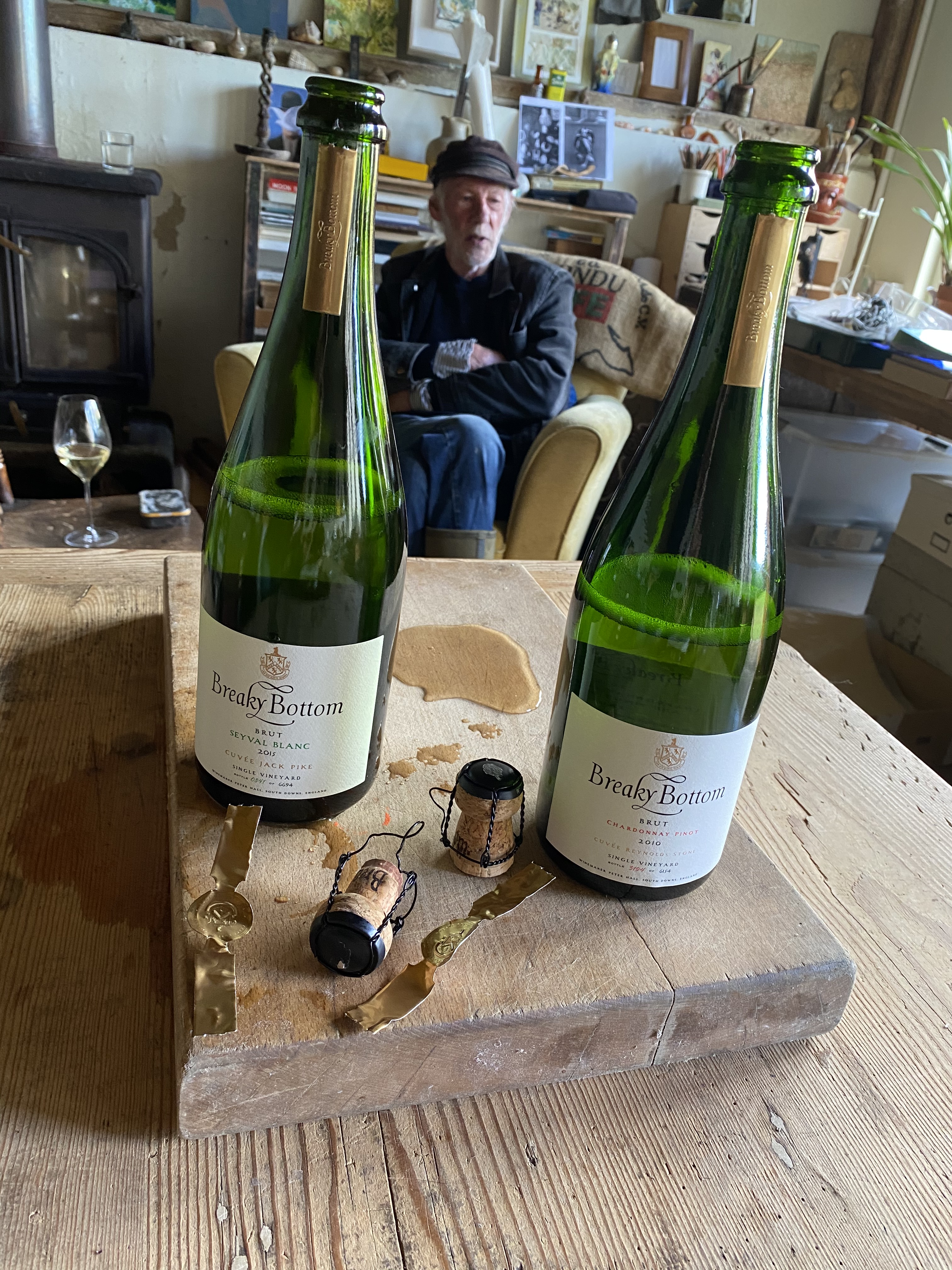
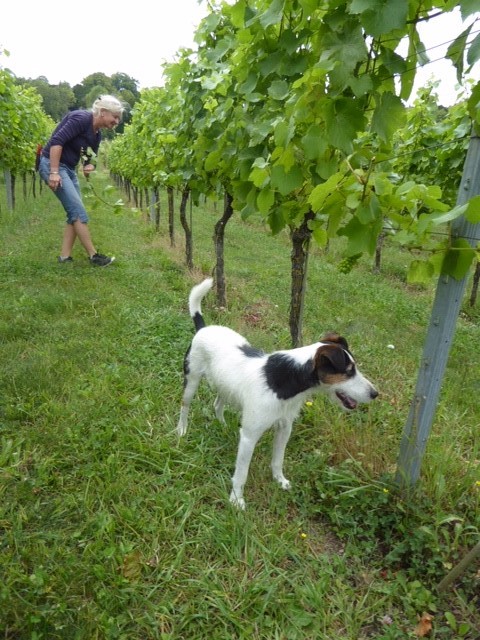
Peter and his wines mid story!

Peter was recently asked in an interview what was the secret of making great wine. ” I don’t know!” he said shrugging his shoulders with an impish grin! Having spent two hours in his company I have a hunch I know what the secret is…… He’s at one with nature. He understands more than anyone how the elements shape the growth of his vines and shape each vintage. He has lived and breathed this landscape day in day out for the best part of fifty three years! His respect for nature is born out of love and compassion for his environment.
Albury Vineyard – At One with Nature

If there’s one positive thing that’s emerged from six weeks of lock-down it’s a greater appreciation of the natural world. On my daily walk in Windsor Great Park I wonder at mother nature’s awesome beauty, the sound of birds singing with no intrusive aircraft noise to block out their sweet choral chirping.

Wine is my life, my passion, my raison d’être, however when I meet people like Nick Wenman of Albury vineyards I feel like he is the master of this mantra!

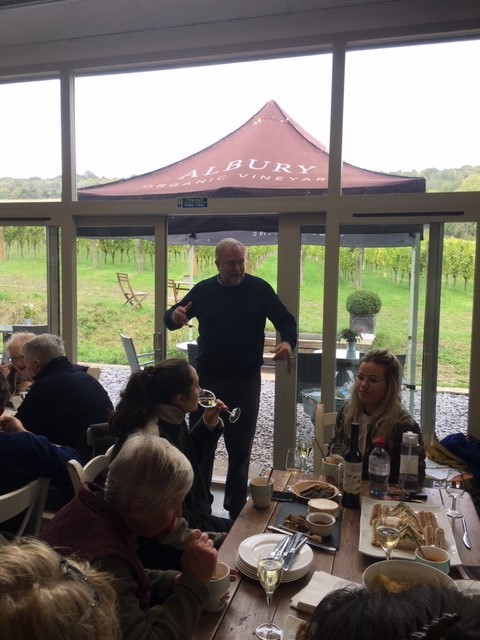
Owner Nick Wenman thanks the Green Harvest volunteers

A forty year passion to own a vineyard became a reality when he sold his tech business in 2006 and decided to invest in starting an English vineyard. Living near Shere in the Area of Outstanding Natural Beauty that is the Surrey Hills (also the primary English location for Nancy Myers box office hit Rom-Com The Holiday) Nick found the perfect location which he leases from the Duke of Northumberland Estate who have owned the land since 1890. The vineyard is situated on the southern slopes of the North Downs (part of the beautiful Surrey Hills) between Guildford and Dorking.

The present-day Albury Vineyard was planted in 2009, although there is evidence of vines growing in the area as far back at the 17th century!

Vineyard in JUly

The vines  planted are the traditional Champagne varietals of Chardonnay, Pinot Noir and Pinot Meunier, as well as some Seyval Blanc and Pinot Gris.

As if starting a new English vineyard was not enough of a challenge for Nick he also decided from day one that he wanted to be certified organic and bio-dynamic (one of only 4 UK vineyards to hold this prestigious certification).

This means that they have to produce organic fruit without the use of chemicals such as herbicides and fungicides, to produce English still Rosé and sparkling wines of the highest quality while respecting nature.

This holistic style of viticulture uses natural preparations instead of chemicals to fertilise the soil. A key component of this is cow horns which are filled with manure and then buried in the ground where they become more concentrated over Winter.  When Spring comes the horns are dug up and the manure is used as the basis of a nutrient rich fertiliser which is sprayed on the vines.

The vineyard has a small team, it’s a family affair with Nick’s daughter Lucy Letley heading up marketing and the vineyard tourism side of the business.

Alex and Atilla

Alex, vineyard manager and Atilla one of her vineyard dogs.

Alex Valsecchi is the vineyard manager.  Following several years of practical experience working on vineyards in Italy and New Zealand, she joined RHS Wisley to run their Orchard, Nursery, Model Fruit Area and the Vineyard which she was responsible for planting.

Alex’s work in the vineyard is constant. Just this week she has been engaged in the back breaking but essential task of bud rubbing. At this time of year, one of the most important tasks is to help the vine focus on growing along the fruiting wire, so all other buds on trunk etc.. must go be rubbed off  by hand!

Ulisse

Alex is often accompanied by Attila and Ulisse  the Parson Russell Terriers. They are very important member of the Albury team, often chasing away pheasants and other  unwanted visitors to the vineyard! Attila even has a spirit named after him – Attila’s Bite, which is a fragrant Eau Vie de Vin made by Silent Pool distillery next door to the vineyard.

Dominic Travers  is the Assistant Vineyard Manager, he has completed a vintage at two of England’s most iconic estates, Nyetimber and Wiston Estate, before coming to learn viticulture at Albury.

Albury is a great place for to get involved in learning more about viticulture and has a team of volunteers who turn out when required to assist with tasks like Green Harvesting and the main Harvest in September/October. It’s also a valuable practical lesson for anyone studying the WSET Level 3 as it really brings to life the viticulture modules from the syllabus.

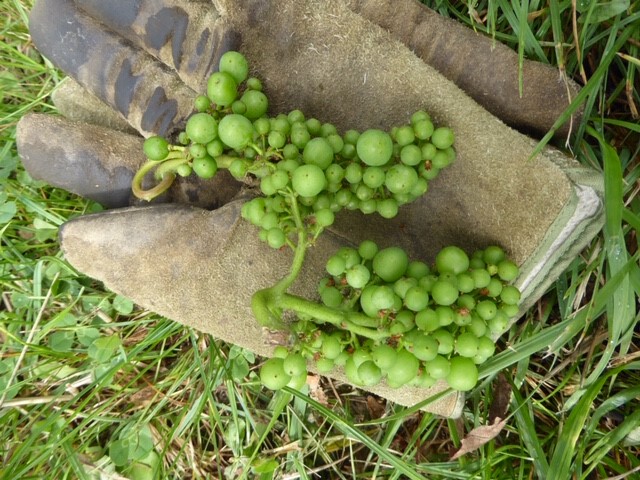
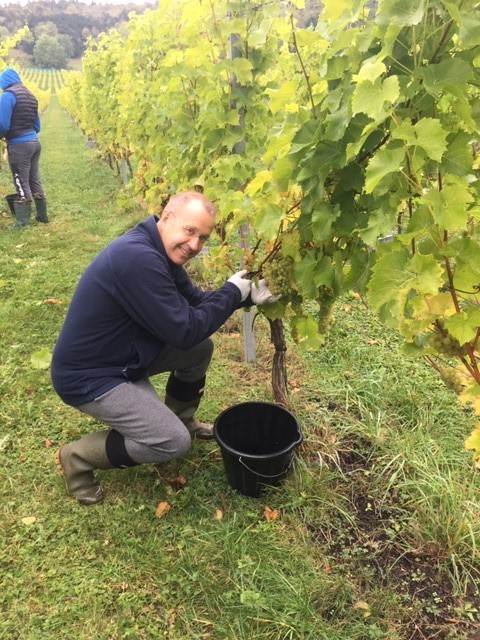
In mid August 2019 I volunteered for the green harvest, removing late flowers, clusters of grapes affected by millerandage or Hen and Chickens, where the berries have no seeds and are of different sizes due to cold, rainy or bad weather during flowering.

Hen and chockens

We also had to remove healthy bunches where there were either more than 2 shoulders per stem or the weight of the bunches could not be supported by a smaller or thinner stem or if the vine was suffering from any kind of nutrient deficiency.

Green harvest

At the beginning of October I volunteered once again, this time for the main harvest. You may remember we had quite a few days of rain after an initial dry start.

Harvest2

This causes much angst in the vineyard and difficult conversations between the winemaker Matthieu Elzinger, vineyard manager Alex and owner Nick about picking. Especially when it comes to grapes like the Seyval Blanc which are susceptible to bunch rot. The winemakers goal is to get as much ripeness as possible in the grapes while the vineyard manager is trying to get the grapes harvested before too many succumb to the botrytis cinerea 

Botrytis2

Seyval Blanc 2019 vintage – Botrytis Cinerea

Matthieu Elzinga is the winemaker at Litmus Wines, a premium contract winemaker located in Surrey. Matthieu’s aim is to work with the Albury team to help establish a distinct Albury house style. He was involved in running his own family vineyard in the Loire Valley for many years, but today prefers the challenge that making wine in England brings!

Another reason to buy wines from Albury Vineyard is that a large amount of their business come through the cellar door and visits to the vineyard. COVID-19 has put a stop to this but they are still delivering with free delivery on orders over £50.

Supporting our English winemakers at this difficult time helps them to sustain their businesses so we can continue to enjoy their wines in the future.

Lovers of still Rosé wines should definitely take advantage of the pre order of the new vintage of their Silent Pool Rosé. A wine that was served to HM The Queen on the Royal Barge Gloriana during the 2012 Jubilee celebrations.

The wine is a perfect balance of freshness and acidity with redcurrant and whitecurrant fruity aromas on both the nose and the palate, at 11% abv. it’s the perfect summer aperitif too and at £18.95 a great price for an organic and bio-dynamic Rosé.

They also have the Lansdowne vineyard sparkling Rosé  made from 100% Pinot Précoce, a variety of Pinot Noir that ripens early.

Bottle shot2

Albury Blanc de Blancs

I love their Blanc de Blancs, its unusual in that it’s a blend of Chardonnay and Seyval Blanc which lends the wines a unique English character with a more marked acidity, freshness and notes of gooseberry.

Albury Estate Classic Cuvée 2017

Or there’s their award winning classic cuvèe  which has lovely notes of brioche, peach and strawberries on the nose with aromas of peach, raspberry, crème fraîche, citrus lemon and a biscuit note on the palate.

Judging by the excellent weather we’ve been enjoying over the last few weeks let’s hope 2020 is another great vintage for Nick and the Albury team, who really show that you can make great wines and be in harmony with nature.


Wines of Vienna – Part 2 Rainer Christ

This post is so overdue if it were a library book the fine would be equivalent to the GDP of small country!

The truth is, in the fast paced world of social media I went for the instant gratification of the Instagram post and story rather than the reflective and therefore more time consuming yet rewarding Blog post.

Two things changed last week….

(1) I posted for the first time since 30th July last year!  Like the rest of the world, I’m on Lockdown and  have had a little more time on my hands!

(2) I received really positive feedback from some of my followers who are working on the front line in the battle against Coronavirus in the NHS who said they enjoyed reading my Post on downtime from their valiant duties!

I can’t deny that I get enormous pleasure from writing and spurred on by this positive feedback will commit to upping the anti and delivering more content henceforth!

My second visit to Vienna was in March 2017 and while there on work business in my previous non wine life I was determined to visit a few heuriger (wine taverns) and learn as much about Viennese wine as I could!

In a previous post I covered Viennese Wine; The best of Austrian wine from Grüner Veltliner to Gemischter Satz!Part 1 – Weingut Weininger while on the same trip, in this post I will take an in depth look at the wines of Rainer Christ. A winemaker who has a special place in my heart as while searching for his wines on my return to England several years later it led me to Alpine Wines, http://www.alpinewines.co.uk , his UK distributor.

As I started my new life as a self employed wine consultant, last year, it was a chance meeting with Alpine Wines that led to me working with them as trade Business Development Manager.

Back to the that awesome visit to Weingut Christ in 2017; Weingut Christ is located in the Jedlersdorf (21st District) about a 20 min cab ride from the Spanish Riding School our base in the centre of Vienna.

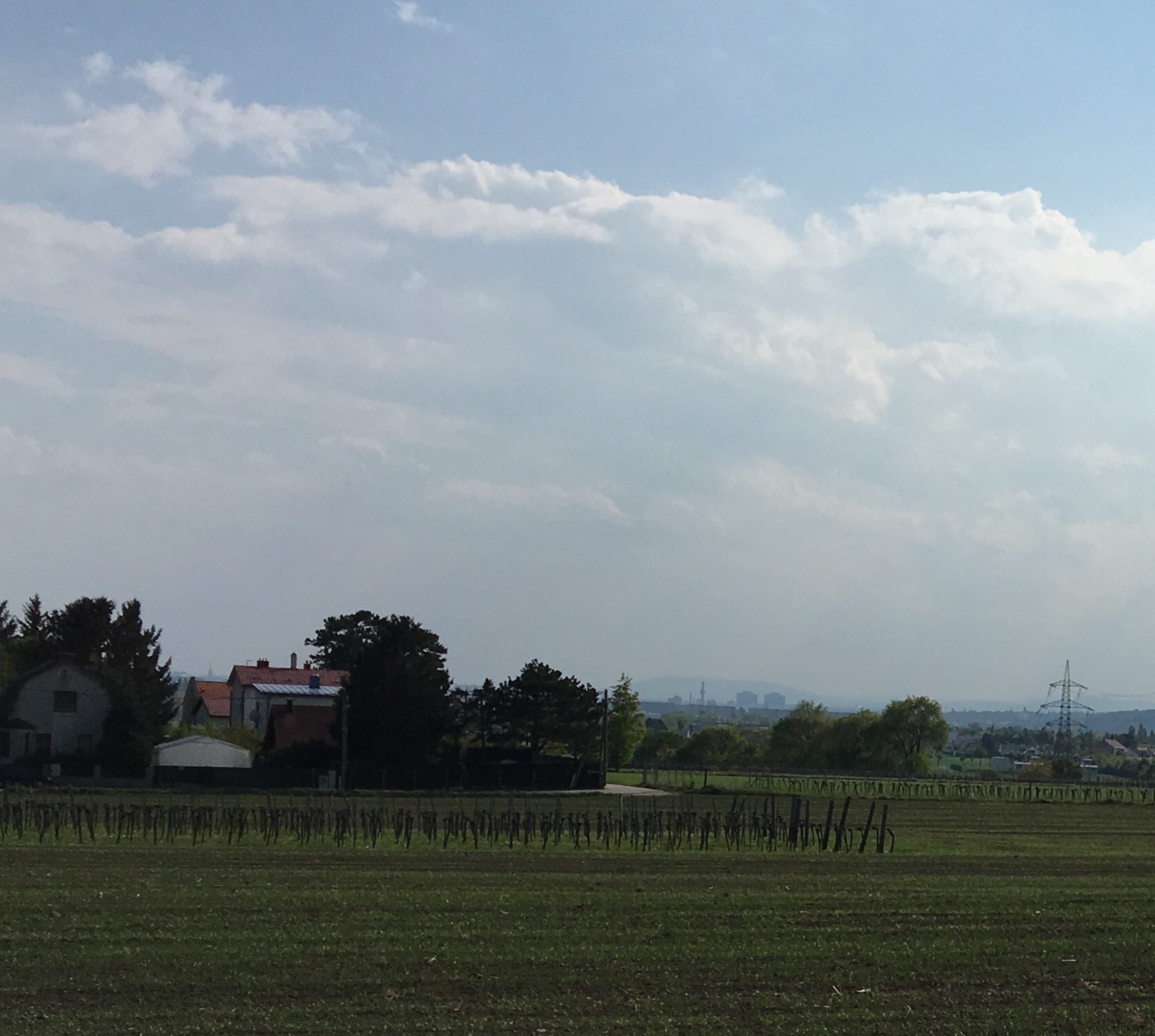
Tasting a range of his wines and learning about the revival of the Gemischter Satz and its subsequent DAC, I marvelled that Vienna is the only city in Europe to have vineyards within its city limits (Forty Hall in Enfield being the UK exception).

IMG_E0969

Vineyards in the foreground with the high rise blocks of Vienna in the background

IMG_0970

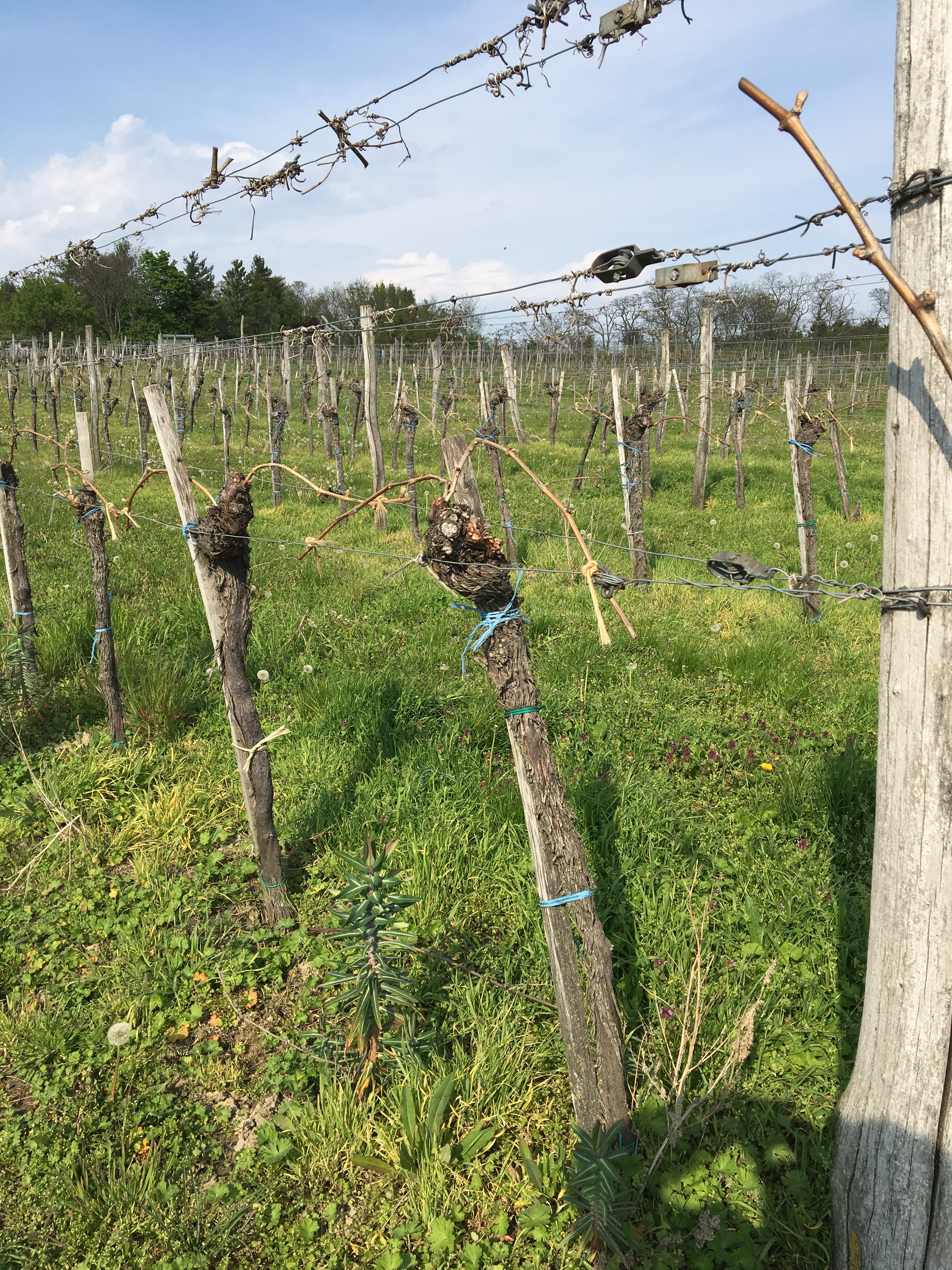
Spring is a great time to visit the vineyards as not too busy and it affords the opportunity to see the vines up close, defying spring frosts to break into bud burst, the first signs that the new vintage is on its growing cycle…..

Rainer’s vineyards are only located on the left bank of the Danube. Mainly around the Bisamberg. His philosophy is trying to show the individual identity of the wine combined with sustainable farming; It’s a fact that Viennese vineyards have been free of insecticides for 20 years! NO herbicides are used either. The trend across Europe is that wine acreage is decreasing but in Vienna this trend is reversed!

Some of the highlights on this trip were these two! There is nothing quintessentially more Viennese than Gemischter Satz. A field blend that used to be popular in Vienna in the last century. Different and complimentary grape varieties were planted together in the vineyard, then harvested and co-fermented together. It helped the winegrower to guard against crop failure through under or over ripe grapes.  It fell out of fashion as single variety wines became more popular as winemakers strove to show off their wine-making prowess and new skills that they had acquired. Thanks to a small band of winemakers (Rainer Christ one of them) this Viennese speciality has not only been revived but has its own appellation in the form of the Wiener Gemischter Satz DAC.

Rules stipulate that the grapes must be grown in a Viennese vineyard, with at least three quality grape varieties used; From Grüner Veltliner, Riesling, Chardonnay, Weissburgunder, Welschriesling and Neuburger but aromatic varieties such as Müller Thurgau, Sauvignon Blanc, Traminer and Gelber Muskateller are also included. All grapes must be grown, harvested and pressed together. The largest portion of any variety is limited to 50% with the third largest proportion being at least 10%.

This Gemischter Satz comprises; Grüner Veltliner, Riesling, Chardonnay, Traminer, the super rare Roter Veltliner and Welschriesling.

The grapes are harvested by hand. Careful handling in the winery focuses on maintaining the varietal character of the wine. Processing is by gravity without pumping and gentle pressing is conducted by use of a pneumatic press. The wine is matured in steel tanks for 6 months and is sterile filtered and is therefore suitable for Vegans.

Tasting note:

Refreshing acidity and minerality with a fine spicy seasoning, notes of green apple, and ripe citrus notes on the nose more evident on the palate. A medium plus finish on the length.

Apart from tasting great and being the signature wine of Vienna there’s another important side to Gemischter Satz, I remember Rainer saying that there’s a greater biodiversity in one hectare of a Gemischter Satz vineyard than in a hectare of Austrian forest!

The Bruch Grüner Veltliner grows on the Bisamberg on a mixture of slate and ice age gravel soils which lend the wines a lovely minerality which fuse with a complex range of citrus notes including white grapefruit and lemon with signature white pepper spice. A great food friendly wine in much the same way that Champagne is happy to handle those bête noire foods like eggs and asparagus.

Mephisto 2014 was a blend of 50% Zweigelt/40% Merlot and 10% Cabernet Sauvignon. A Viennese style Bordeaux Blend if you like! The percentages in the blend change each year to reflect the house style. A very good wine with long finish, great balance and length. Unfiltered with lots of juicy black and red fruits and lots of gentle spice with silky tannins. 

The Zweigelt  2014 another all rounder like the Grüner Veltliner had 25 months  in small French oak barrels with a light toast. It delivered pronounced aromas of pepper spice, and blackcurrants wrapped up in a toasty cedar and vanilla envelope.

While visiting the tasting room and winery I also had the chance to eat like a King in his Heuriger  and sample more of his wines with local Viennese cuisine. It’s a must if you ever get to visit this wonderful city!! It really was an epic way to end some of the most memorable hours that I spent in Vienna and I can’t wait to visit again when the pandemic is over!!

Epilogue:

Since my visit in 2017 I met Rainer again at Prowein in Dusseldorf in 2019 and was due to meet him again at this year’s event as part of the buying trip for Alpine Wines until it was postponed because of the Coronavirus pandemic.

IMG_2173

Re-acquainting myself with Rainer and his wonderful wines at Prowein 2019

I couldn’t possibly conclude this piece without waxing lyrical about my new favourite Christ wine…

I showed that this at the Wines of Austria trade tasting at the Science Museum in London in February 2020 with Alpine Wines and then featured it at a tasting for the Dulwich Wine Society a month later to a rapturous reception.

Christ Vollmonden Weissburgunder  2017 (Wien) – Pinot Blanc 

2017 was a very warm vintage with rich wines

Considered by Austrian wine expert Stephen Brook to be Christ’s most intriguing wine; The oaked VOLLMONDWEIN (full moon wine) from WEISSBURGUNDER (Pinot Blanc) grown on a limestone plateau high up on the Bisamberg 350m above sea level. It’s a cool site that is harvested during the full moon. This single vineyard known as the Ried Falkenberg has chalky mineral subsoil composed mostly of mussel limestone sediment. This makes it the perfect terroir for the Pinot family.
After pressing, the juice is exposed to a smidgen of skin contact for anything up to 4 hours which enables Rainer to keep SO2 to a minimum.  Natural yeasts are used for fermentation which is 75% in stainless/steel tanks and 25% French oak barrels. After fermentation the wine is left on its fine lees for between 6-10 months.

The wines are suitable for Vegans and Vegetarians as Vegan certified as no fining and sterile filtration.

These wines have good ageing potential with it not unusual to be still drinking well 10-12 years after release.

It’s no secret that I love white Burgundy and this wine has a rich mouthfeel that is so Burgundian in style, yet with a lovely freshness and balance that is the sign of quality wine-making and the limestone sediment rounds the party off with a searing minerality.

Pair this with Mushroom risotto, veal. guinea fowl, Poulet-Bresse, rabbit, mushroom dishes and hard cheese

abv 13.5%

R/S 6.9 g/L

T/A 5.8 g/L

£24.76 from Alpine Wines http://www.alpinewines.co.uk


Which wine experience sparked my love affair with wine??

Thinking about which wine experience transitioned me from a wine consumer to wine lover has been a cause for a joyous journey of self reflection!

I cast my mind back to the early nineteen seventies; I grew up in the New Forest and home was a collection of buildings that had once been a old coaching inn many hundreds of years old. What’s more it had a cellar.


I remember the first time my small frame pulled back the huge trapdoor and I descended into the cellar below. Like a figure from ancient mythology waiting to cross the river Styx. I think my imagination was running wild and I saw a three headed dog before I fumbled for the light switch! As the 40W bulb partially illuminated the cellar I saw several rows of dusty bottles. As a curious ten year old I noticed some of the bottles were covered in wire netting. On the labels the words Marqués de Riscal which meant nothing to me until several decades later! This however was not my catalyst.


I fast forwarded eight years; my first job was in retail management with a major supermarket chain. After a few months I had the pleasure of running the beers wines and spirits section. How exciting I thought naively! Little did I know that it would mean much longer hours, hauling cases from the secure part of the warehouse and having to apprehend any shoplifters who wanted their own Christmas cheer on the house!

Despite this, I learnt things like Saumur was a méthode champenoise. I remember
being asked for a case of Chablis Premier Cru by a sophisticated lady and wondering what event she was planning!

I can recall other names from that time; a Vin de Pays de L’Ardeche from France, a Jumila from Spain and an Entre deux Mers from Bordeaux. These names seemed enchanting and conjured up in my mind travels to lands to discover their origin. They provided a natural escapism from the grey tedium of South West London but as you may have guessed despite providing a frisson of interest it was not yet that magic spark that would ignite a passion for wine.

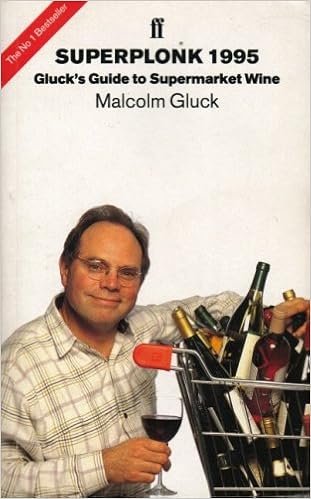
In my late twenties I became a Guardian reader thanks to Malcolm Gluck. His no nonsense approach to wine writing based on the simple premise of how to spot the best wines for under five pounds made his column appealing. His first book “Superplonk” became my bible as much as Hugh Johnson’s Pocket Wine Guide today!


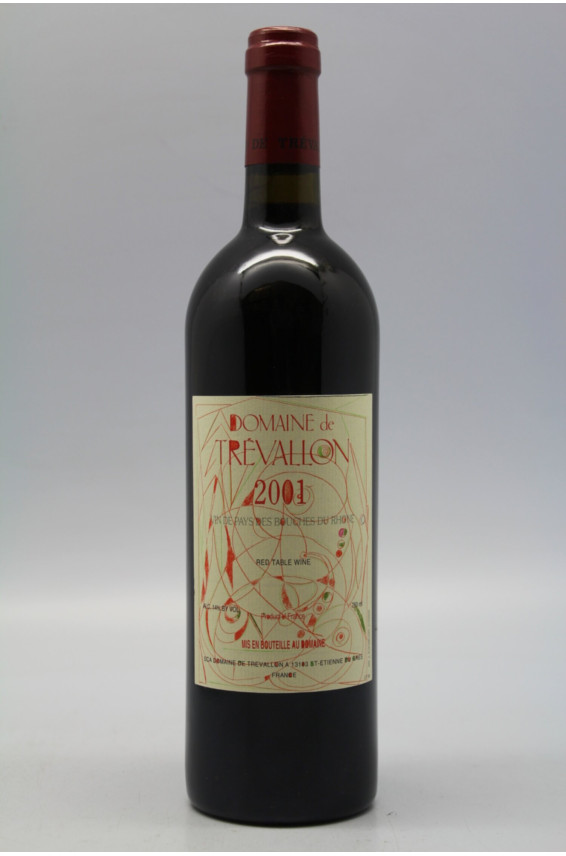
I celebrated my 50th Birthday back in 2016. A good friend and someone with whom I regularly enjoy discussing all things related to wine, took my wife and I to dinner at the Quality Chop House, in London. To accompany this carnivorous celebration of bone marrow on toast and Chateaubriand he had brought a Magnum of Domaine de Trevallon 2001 from his cellar. I was more excited than a child in a candy store!

Trévallon 2001 - VINS & MILLESIMES

The wine was a triumph! Deep ruby in colour with a hint of garnet. A nose that was consistent with its age of mushrooms, game, garrigue and forest floor. On the its superb balance of acidity and tannin levels were still sufficiently high for me to know it would last for another 10 years or more. Developed fruit flavours of fig, prune and black currant were interwoven with more forest floor and game with leather too. I remember thinking that it was distinctly Bordeaux in style and like one of the grandest of all wines from that region.

The Trevallon was a really nice touch as it took me back to five years earlier when my wife and I were planning a short trip to the Luberon. The same friend, suggested we try to visit Domaine de Trevallon.

Not knowing the legend of Trevallon I inquisitively asked why especially as they produced a declassified wine. My oenophile friend began to narrate the story of Eloi Dürrbach.

In 1950 Eloi’s father fell in love with the area around Trevallon and purchased a property with some land. The Alpilles close to Saint-Rémy-de-Provence provided a fairly challenging terroir for a vineyard. Yet Rene Dürrbach confided in his young son Eloi that the terroir would one day produce great wine!

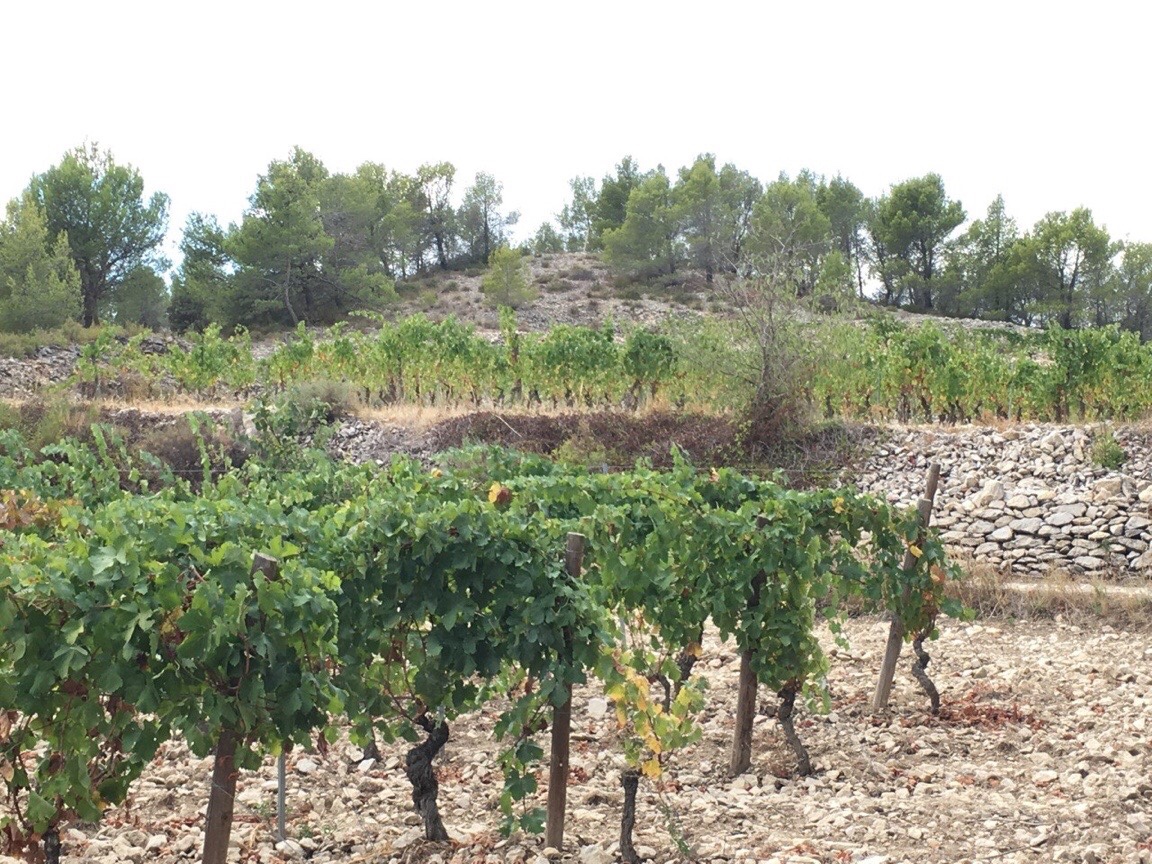
Limestone is the dominant rock form here and integrating the vines into this landscape was a major piece of work. The rocky ground was blown up and the limestone fragments ploughed back into the ground.

The first vineyard was planted in 1973. The choice of grapes guided by heritage and reason. Cabernet Sauvignon had been grown in Provence in the pre-phylloxera era and Syrah a grape that was permitted and thrived. Eloi’s passion for wanting to make a natural wine led him to choose to declassify his wine to a Vin de Pays rather than betray the personality of the wines.

That was it! That was the moment I feel in love with wine. It was when the magic of the back story inspired me to want to discover, to live and breathe that wine. To want to see for myself what was so special about the terroir of the Alpilles. To want to meet Eloi or his daughter Ostiane, who is now the winemaker at the Domaine to truly understand their passion and then taste exactly what the wine was all about!

img_2100

So on a sunny day in August 2011 we travelled along the windy roads of The Alpilles and found ourselves at Domaine de Trevallon. We were so lucky Ostiane had no other visitors and took us for a walk around the estate. I have enough grasp of French to understand her and the story came to life!

I love learning about wines that I’ve never tried before, but for me what takes it to another level is when that act of learning uncovers a back story that is as good as the wine itself. It means that when you pull the cork from the bottle and take the first sip your olfactory senses work overtime as your brain processes the sensory information with the story. For me it’s the ultimate legal high when that synergy between the back story and the wine comes to life as it did in the cellars of Trevallon when Ostiane pulled the cork on the 2008 red that we tasted!

img_2098

A Tale of Two Riojas!

Have you ever felt that slightly nauseating feeling you get when you think that you’ve paid too much for something while realising that there’s a cheaper alternative that’s just as good?

A friend of mine recently faced this dilemma when the penny dropped that two different Red Rioja Reserva’s he buys were both made by the same legendary producer, La Rioja Alta, for two different labels, one for Majestic and the other for the Wine Society.

He asked for my help in resolving this question and sent me a sample bottle of each for analysis to help decide if there was any difference and whether the extra spend was justified. As you’d expect there’s not a binary answer to this question and if there was this would make for a very short Blog post!

Both wines were opened and decanted for approximately an hour before tasting.

Majestic Definition (own label) Rioja Reserva 2013, £13.99 a bottle or £11.99 on a mixed case of 6 or £10.49 when buying a case on their Lock In plan.

An IWC 2018 Silver Winner, the Majestic Definition Rioja Reserva 2013 is a blend with the majority being Tempranillo. Despite its younger biological age, the wine tastes and smells more evolved than the 2011. The 2013 vintage was cool and wet in Rioja with a smaller harvest and fruit quality may have been down. 13.5% abv.

Tasting Note:

Appearance: Ruby

Nose: Medium+ intensity of forest floor, tobacco, vegetal notes, smoke, clove, dried blackberry with plums and red cherries. Developing

Palate: Dry, high acidity, medium+ tannin, high alcohol, full bodied and long finish. Pronounced intensity of more tertiary aromas; forest floor, wet leaves, dried blackberry, smoke and clove, spice, and hints of vanilla.

Conclusion: With great balance, length, intensity and complexity this is an outstanding wine drinking well now with the potential for a little further ageing maybe for a maximum of 2 years.

The Wine Society Exhibition Reserva 2011, £15.50 a bottle

 Made from 100% Tempranillo it still tastes incredibly youthful although still in a developing style. What distinguishes it from the Majestic is the primary red and black fruits (red cherry and blackberry) and the tertiary notes which combine cooked fruit jammy aromas with complex cedar vanilla (from the American oak) and forest floor. The 2011 vintage was officially excellent and may explain the brighter jammier fruit also appears more balanced than 2013. 13.5%

Tasting Note:

Appearance: Ruby

Nose: Medium+ intensity of forest floor, tobacco, vanilla and cooked blackberry.

Palate: Dry, high acidity, medium+ tannin, high alcohol, full bodied and long finish. Pronounced intensity led by bright red and black fruits; red cherry, blackberry, some smoke, cedar, vanilla, and a little forest floor.

Conclusion: With great balance, length, intensity and complexity this is an outstanding wine drinking well now with the potential for further ageing for a decade or more.

So was the higher spend on the Wine Society Reserva justified?

1.  The cheaper Majestic wine is drinking well now albeit with a lower potential to age.

2. If you like your Rioja with more brighter fruit in its youth or prepared to cellar 6 bottles or so then the Wine Society may be a better bet! It will be sure to yield a higher level of complexity in due course as it evolves.

It’s important to note that although the same winery makes these two wines they are are in fact very different wines. I suspect the Wine Society buyers bought a large consignment of 2011 when released in 2014/2015 and then decided to cellar for a further 2 years before release. There’s a premium to be paid for this as it ties up space and capital but the consumer is able to access older better vintages with low risk of them having to judge whether the vintage is good or bad. As a comparison London wine merchants charge an average of £13 per case of 12 per annum for storage adding roughly £1 to bottle price for year stored.

After the analysis was complete my wife and I finished off the Wine Society wine with a delicious aged rare sirloin steak. I returned the 2/3 bottle of the Majestic Definition Reserva to the bottle from the decanter and with a good degree of oxygen left in the bottle even after vacuum sealing left it in the fridge for a few days before opening and bringing back to a temperature of around 18C and serving without further decanting. The results were both surprising and unexpected. The wine had all the tertiary developed notes that were there two days earlier but a little gentle oxidation had somehow reinvigorated the fruit in a way that in my humble opinion enhanced the end product. I rarely leave a bottle to evolve after opening, choosing to take the assured pleasure of the here and now over the anticipated enhanced pleasure of tomorrow!

It reminded me of something I had been told by  Alex Starey, winemaker at Keermont Vineyards in Stellenbosch,  that he will often try to leave enough wine in the bottle at the end of an evening so that he can see how it will evolve over the next 24-48 hours. Great advice and something that I’ll try to practice a little more in future!!

Château Léoube – An Organic Paradise

On our 2017 Wine Tour we had an invitation to visit Château Léoube near Bormes-les-Mimosa in Provence. This is a short account of one amazing day!

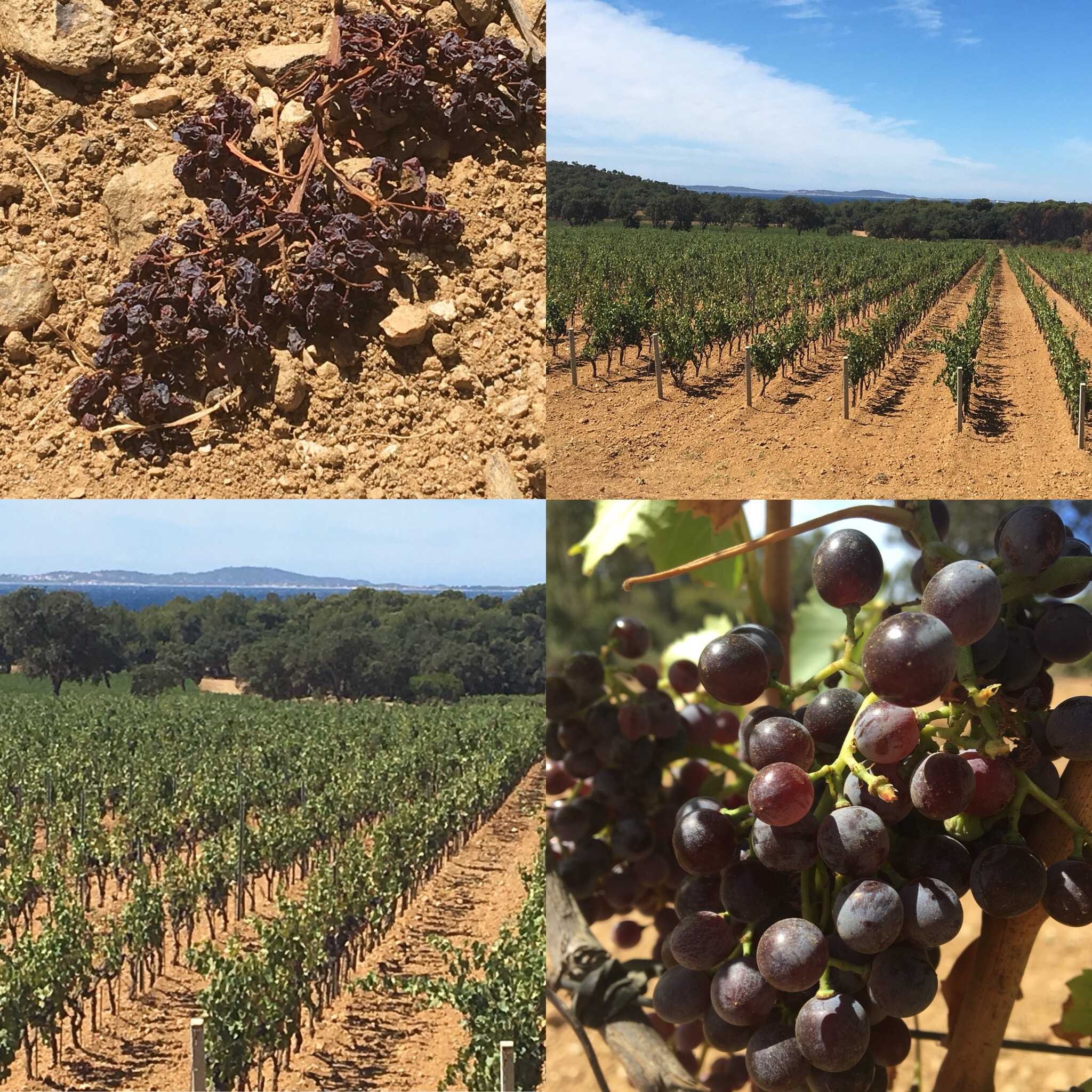
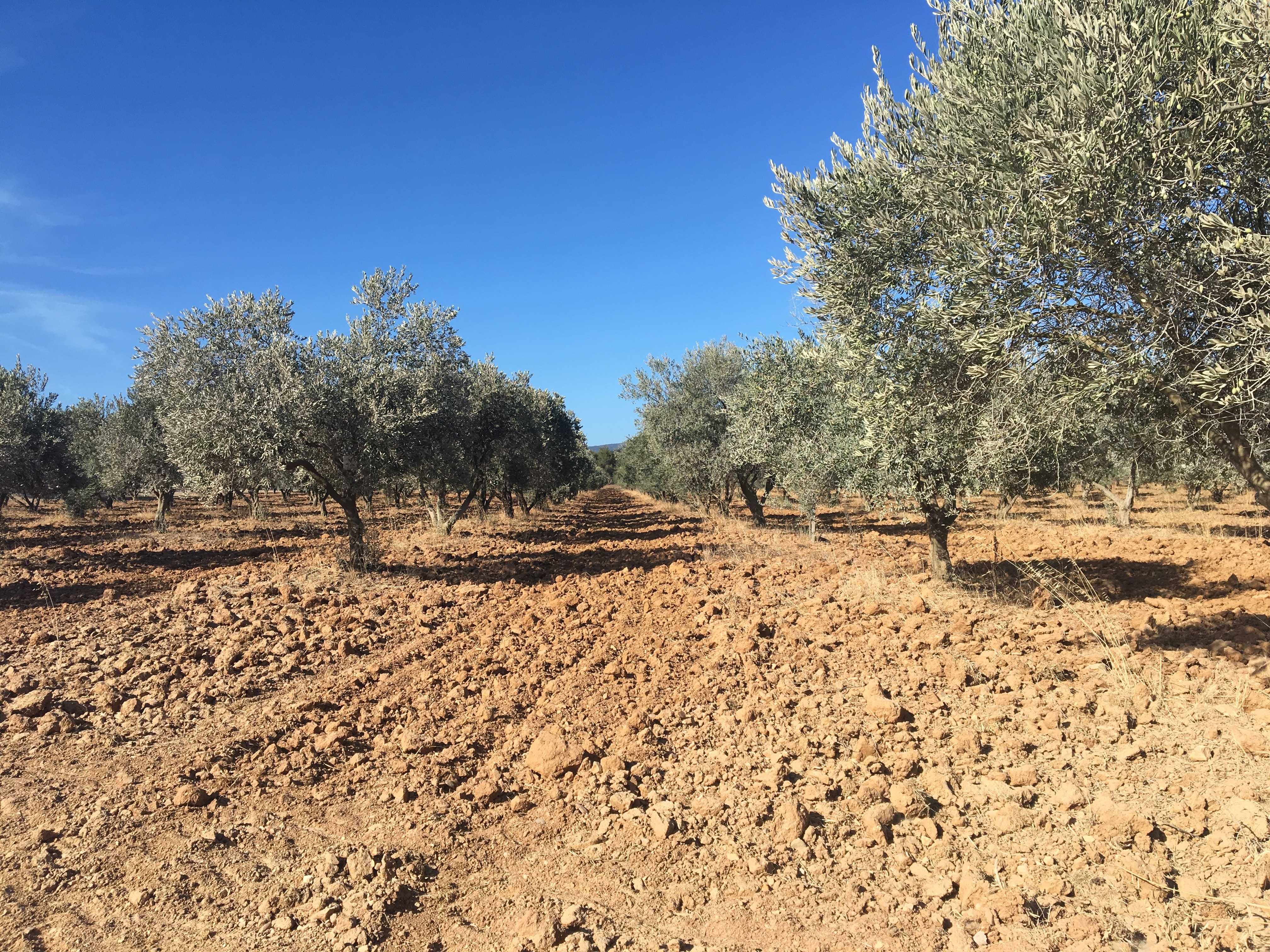
Exiting the Autoroute, we find ourselves meandering along a narrow road sandwiched between vines and olive groves set against a clear Mediterranean blue sky. It’s enchanting and magical in equal proportions and even though Mother Nature has been scarred by the terrible fires of the previous month she is still resplendent in her beauty.

Jérôme Pernot, Sales and Marketing Director at Château Léoube has arranged for his colleague Alexandre Ferrand, UK Sales Manager to meet us on arrival at the Château for a tour of the estate and winery. Climbing into the estate Land Rover, we head out to explore the vineyard and learn more about this enchanting place.

The estate is beautiful. Lovingly restored; with a huge investment by the current owners Lord and Lady Bamford of JCB and Daylesford Organics. It strikes me that one of the things that makes Château Léoube really special is the same passion and dedication that Cassie Bamford has applied to the Daylesford brand. Provenance and sustainability are central to the ethos of Léoube.  Demonstrating how it’s possible to produce food and or wine in a way that is a partnership with nature. If the end product tastes great and you can turn a profit then that’s a bonus,

1A06C824-F1A6-46A7-AEE5-8CD3DC4277BC

Our tour of the estate takes around an hour. We learn about the organic viticultural practices and appreciate just how close the vineyards are to the sea. The cooling Mediterranean Sea breezes helping to provide optimal growing conditions for the grapes ripening in the scorching Provencal sun.

A mixture of schist and clay soils are the main soil type found in Léoube. This combination assists with drainage and some degree of water retention whilst also giving the wines a rather pleasing mineral note.

In the distance we see the hillsides blackened by the burnt vegetation of the wild fires from the month before.

Short clip of the fire ravaged landscape near Leoube

560453EE-2981-4A2A-9001-A35CB92399E4

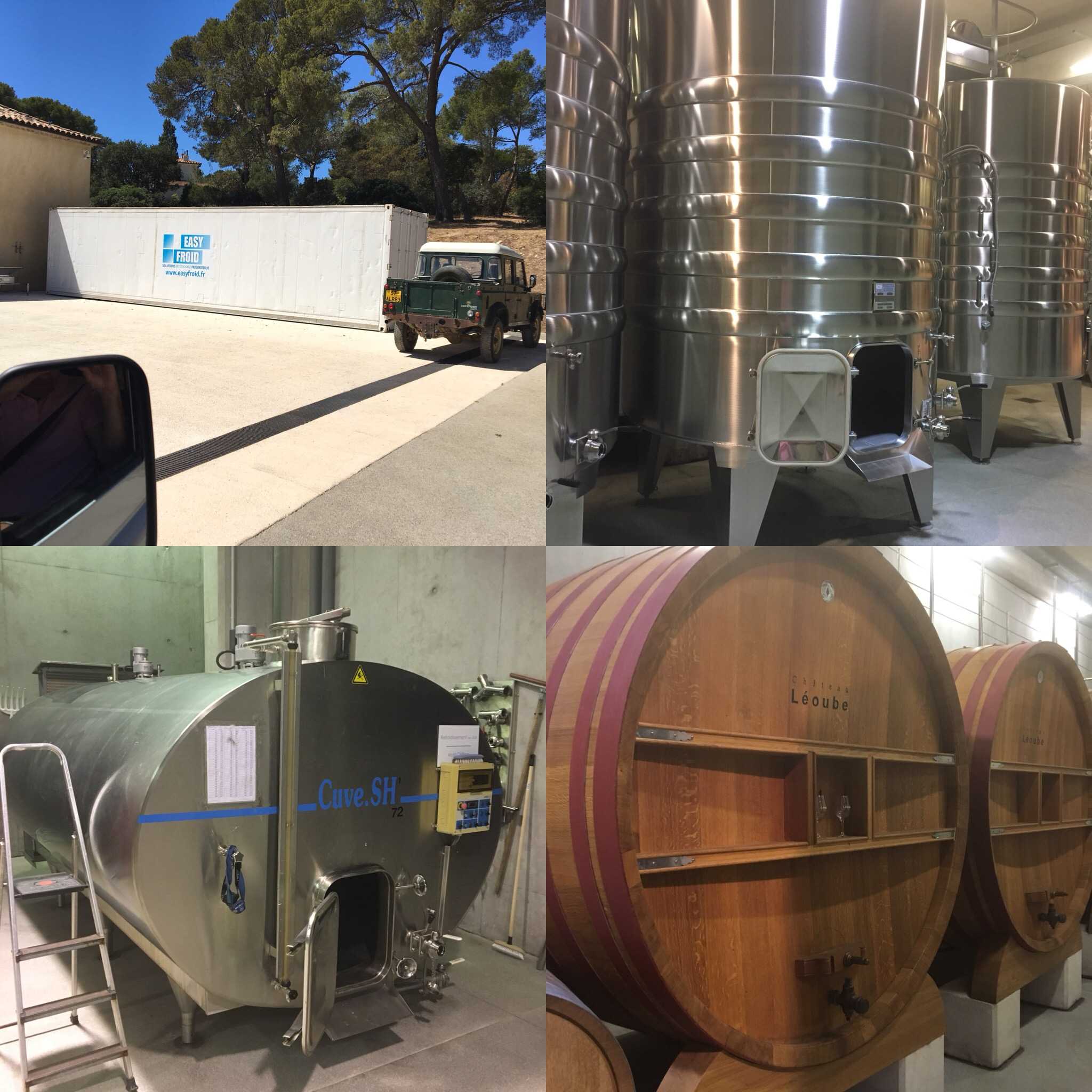
On our return to the winery we get to see how they deal with the grapes once harvested. Great care is taken to ensure that there is no premature oxidation as maintaining the freshness of the grapes is paramount so protective winemaking practices employed. The theme of investment continues with up to date technology used to ensure the ideal pressing conditions to allow the winemaker to achieve the desired results.

0BD4FC2E-0582-4DD1-9E59-1A1E19DB6C58

After the tour Alex takes over to the tasting room and shop. The place is bustling with locals and visitors eager to sample the delicious organic wines and organic produce (oils, figs tapenade etc…)  on sale in the shop. I eagerly anticipate the first of the 7 wines from the Léoube range which we will taste!

All Léoube wines are 100% organic with a commitment to follow biodynamic principles including encouraging biodiversity within the vineyard and employing traditional growing methods and using only natural non toxic preparations to treat pests and disease. In line with this the harvest follows the lunar calendar. The grapes are hand harvested to ensure only high quality fruit enters the presses.

Tasting notes as at August 2017.

Léoube Blanc 2016 AOC COTES DE PROVENCE

Made from 50% Semillon, 25% Rolle and 25% Ugni Blanc. Gentle pressing and MLF. Pale lemon in appearance. A nose that’s M+ intensity of salinity and minerality, with white flowers and pear and a herbal note from the surrounding garrique. Youthful.  Palate: Dry, high acidity, M+ body, M alcohol and M+ finish. Medium + intensity of citrus lemon, pear, mineral stone and salinity. Delightfully refreshing with great balance, intensity and complexity. A very good wine.

Rosé de Léoube 2016 AOC COTES DE PROVENCE

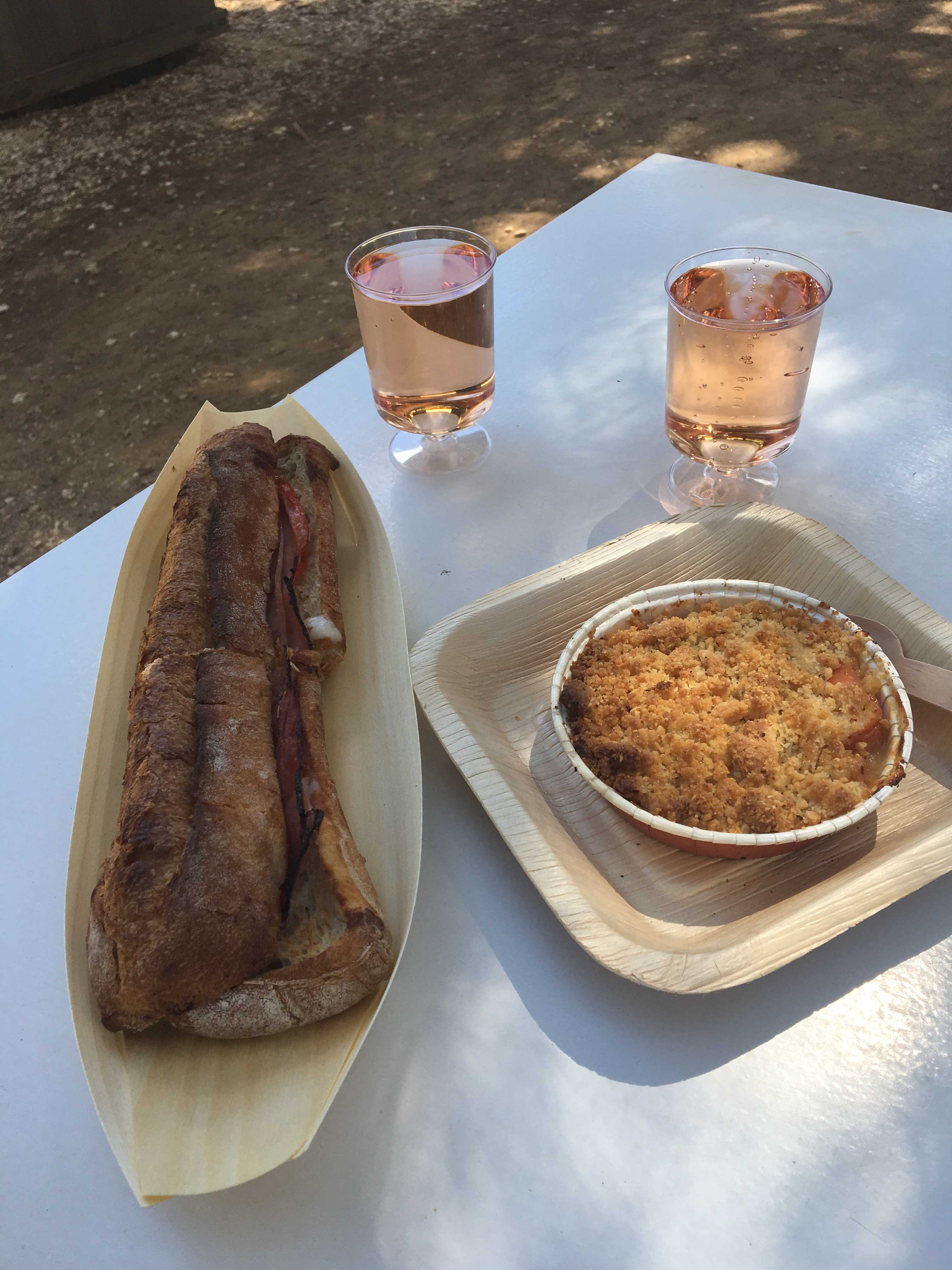
A blend of 40% Grenache, 40% Cinsault, 15% Syrah and 5% Mouvèdre. Appearance: Pale salmon. Nose: M+ intensity, of red fruits: wild strawberry, with some stoney minerality and salinity. Youthful. Palate: Dry, M+acidity, M body, M alcohol, M+ intensity of tropical pineapple and strawberry with stoney minerality and salinity. The creaminess from MLF finishes off the wine a treat! Great balance, intensity and complexity. A very good Rosé; perfect with fish/shellfish, grilled vegetables, goat’s cheese and even desserts ( as we later found out as a sublime pairing with the Léoube fig crumble!)

Secret of Léoube 2016 AOC COTES DE PROVENCE

A blend of 40% Grenache, 40% Cinsault, 20% Cabernet Sauvignon. The addition of 20% Cabernet adds volume, structure and backbone to this Rosé. More pale pink in appearance than its stable mate. But with higher acidity and drier. More body and some stone fruit M+ finish. A bold Rosé that can handle grilled meats and tartare in addition to  shellfish and grilled vegetables which often pair so well with the Provençal Rosé. A very good wine.

Léoube La Londe 2015 AOC COTES DE PROVENCE LA LONDE

A micro appellation within the Léoube estate. A Cuvée made to reflect the schist soils found in Léoube from the same grapes found in the Rosé de Léoube:  – Grenache, Cinsault, Syrah, Mourvèdre. A slow gentle pressing by gravity is used to help preserve some of the unique character of this wine.  A nose that’s strawberries and cream with a hint of white peach which follows through to the palate. Crisp and dry, with M+ acidity, Medium body and alcohol and M+ finish. A very good wine.

Rouge de Léoube  2015 AOC COTES DE PROVENCE

80% Syrah dominant blend with 10% Cinsault and 10% Grenache. Loads of fresh blackberry fruit with spicy notes of pepper and cinnamon. Dry, with high acidity, high tannin, medium alcohol, M+ body and M+ finish.

Les Forts de Léoube  2015 AOC COTES DE PROVENCE

Aged for 18 months in Foudres (Large old oak barrels) allowing gentle micro-oxidation. A blend of equal parts of Grenache, Cinsault, Cabernet Sauvignon and Syrah. Deep Ruby in colour. A nose of smoky oak and herbal garrique with blackberry and spice. On the palate: Dry, high acidity, high tannin, high alcohol, M+ body, and a long finish. More blackberry and spice with cedar and smoke. A very good wine with ageing potential for 5-10 years.

Léoube Collection 2012

This wine although outside of the AOC is one of the most interesting! It comes from a project that Lord Bamford embarked upon to produce a “Super” Provençal wine that could be long ageing. These wines are known in France as “Vin de Garde”. A wine to be kept. The project was 10 years in the making. Made from 100% Cabernet Franc. Matured in Demi-Muids (600L oak barrels) for 24 months. Garnet in appearance indicative of its ageing. Nose: black cherries and black plums with a herbaceous green pepper note. Palate: Dry, high acidity, M+ tannin, high alcohol, full bodied, long finish. Pronounced intensity of black cherries and black plums with chocolate and tobacco. An outstanding wine drinking well now with ageing potential for a further 10 plus years.

FD8FA351-0564-4E19-8BEF-DEECB90281ED

After the tasting we take a short drive to the nearby beach of Plage du Pellegrin which forms part of the extensive Château Léoube estate. The funky Cafe de Léoube sells simple but tasty food. We are seduced by a goats cheese panini and a fig crumble that is made with figs from he estate; accompanied of course by a chilled glass of Rosé de Léoube!

675E8FBF-A910-45DE-929C-AF2B97BEA235

The organic fig orchards bursting with fruit.

010DE293-AEAA-4C79-9DBA-BA259ABD968D

The beach cafe also is the gateway to a series of coves and wild beaches with a coastal path that is both challenging and beautiful in equal proportions. After a late lunch we take the coastal path for a bracing walk before plunging into the crystal clear refreshing cool Mediterranean waters which provide temporary respite from the scorching Provençal sun. Remarkably, even in the height of the French school holidays, this place is not jam packed full of tourists and beach goers!

6EFB148A-AFCB-4753-A86D-8C193F56ABBC

The organic olive groves of Léoube.

After our beach walk and swim we head back to the Cafe de Léoube where a 4 piece Acid Jazz band are playing some funky grooves as the wind picks up. Ordering another chilled glass of Rosé de Léoube, listening to the soulful saxophonist blast out Donald Byrd’s Cantaloupe:

Cantaloupe – Proévencal Acid Jazz

with the sun setting, it’s the perfect finale to an incredible day spent at Château Léoube!


Domaine La Suffrene AOC Bandol; Visit and Tasting Notes

A brilliant afternoon @domainelasuffrene tasting a range of there wines. Hosted by the lovely Audrey, on arrival she presented us with an extensive list and asked which we would like to taste. We opted for a mix of white, rosé and reds with a back vintage from 2003 as it was our 15th Wedding Anniversary and we wanted to find a special bottle for the occasion!

EC77D41C-C567-4E22-B410-87F6566D7507

Tasting notes of the wines we liked the best and bought! 

La Suffrene Tradition Rosé 2017 AOC Bandol Rosé

40% Mourvèdre 30% Cinsault 20% Grenache 10% Carignan

Pale salmon in appearance. 

Nose: red fruits of strawberries and raspberries mixed with a stony minerality.

Palate: Dry, medium plus acidity, medium body, medium alcohol, medium plus finish and medium plus intensity of more strawberry and raspberry aromas culminating in a medium finish. A good everyday Rosé for drinking now.

La Suffrene Sainte Catherine 2015 AOC Bandol Rosé

This was a great contrast to the Tradition. Made with 90% Mourvèdre and just 10% Carignan. 

Two years bottle ageing give this wine a medium salmon appearance.

Nose: incredible nose of red fruits, red cherries mainly with hints of cream. Not surprising in a blind tasting the nose led tasters to think it was a red! 

Palate. More cherries combined with a velvety cream and a minerality that’s structured. Dry, with medium acidity medium body and medium alcohol culminating in a medium plus finish. This wine has  great balance and length with some complexity and intensity making it a very good wine. A good example of a Bandol Rosé that is a gastronomic wine that improves with some age, in this case peaking at 2 years post release thanks to the high Mourvèdre content and the terroir of this area. 

2003 La Suffrene Les Lauuves AOC Bandol Red

Appearance: medium garnet 

Nose: medium plus tertiary aromas hit you with forest floor, leather, and wet leaves.

Some dried fruit especially dried plum. Developing in age.

Palate: Dry, medium plus acidity, medium plus body, medium alcohol, medium plus tannin, more medium plus flavour intensity of primary damson mixed with tertiary dried fruits of dried plum and damson with spicy notes of clove and a little pepper. More tertiary notes of leather and spice and gamey aromas with a length that lasts and lasts! 

Great balance, length, intensity and complexity making it an outstanding Wine that is ready for drinking now but will continue to improve no doubt over the next ten years!  The grapes in this wine come from a one hectare chalky plot to the north of the Domaine.

The Domaine also makes 2 declassified Vin de 

A 2013 white made from 100% Sauvignon Blanc that is barrel aged in oak to give to some toasty smokiness and produces a sweet wine balanced with that all important background acidity.

A 2011 red made from 100% Grenache. A beautiful deep garnet colour with a medium plus nose of dried plum/ damson. Palate: sweet, medium acidity, medium plus body, medium alcohol more medium plus intensity of dried plum/ damson delivering a pleasing medium plus finish.

Thanks again to Audrey for the knowledge and tasting and pushing my French Wine vocabulary to new levels. 


Four Dishes! Four Wines! 100% Satisfaction!

“I could see you living here” says my friend ” There’s all the things you love within a hundred yards of each other, a vinyl record shop, a fab independent wine merchants and an authentic Italian restaurant!”

It sounds perfect, almost too perfect. I wander into the wine merchants, whose name is as quirky as it is memorable Philglas and Swiggot. There’s several samples open for tasting, a rich and full flavoured Hungarian Furmit and a crisp and refreshing Alsatian Pinot Blanc from the legendary Domaine Ostertag. The team there are unified in their knowledge and passion for wines but not in a way that’s either elitist or intimadating.

My friends arrive and reluctantly I’m prized out of Philglas and Swiggot and into next door Osteria Antica Bologna .

I’ve recently discovered the delight of dining earlier in the evening, apart from being often the first to arrive, there’s often less pressure front of  house and there’s more opportunity to really explore the menu and wine list. There’s also the unexpected pleasure of seeing the restaurant stage fill with its cast of characters and extras as the evening unfolds and builds to a grand crescendo like finale!

Our waiter/sommelier for the evening is Luigi, who is as warm as the sun in his native Puglia! Like me he’s studying for his WSET Level 3 so I think we’re in for a vinous treat.

I’ve been told that my enthusiasm for wine can often leave my fellow dinners as parched as the Gobi desert whilst I pour over which wine to pair with which course. The new me is far more decisive! I spot a Chardonnay/Pinot Blanc/Sauvignon Blanc blend from the renowned Alto Adige winemaker Cantina Terlano

It’s a hit! A complex wine that’s perfectly balanced with lees ageing and just a little oak exposure.

We opt for a three course assault on the specials of the day and open the batting with an uplifting crab and avocado starter.

C344AF65-266F-4960-9554-BAA82F825A65

Aesthetically pleasing with the fine artistic presentation of a dish that really gets the salivary glands going! The visual fireworks are replaced with the sensory overload of silky avocado, coarse white crabmeat, crunchy frisée and the tickle of fresh chervil fused with a thick emulsion of tomato and oil that is more Bloody Mary than Marie Rose!

We share a side order of frito misto; Not one of us are willing to share our crab! Anyone surprised? Its light tempura batter cocoons little batons of courgette, calamari, and whitebait in a crispy gossamer envelope that is both seductive and sublime.

12F31C45-AF44-4A89-8473-903DCC0C7CDA

One course down and we’re already in Italian heaven!  A fresh youthful Barbera from Piemonte suggested by Luigi pairs beautifully with the homemade ravioli stuffed with slow braised beef. Its comforting texture sends endorphins racing through my blood as the combination of the sage butter and the meltingly good sweetness of the beef pass my lips.

F8202DA8-517C-4225-80FA-37FC8D4E9151

One of the delights of Osteria is the sommelier’s little bin end book. It’s an Aladdin’s cave, I was excited when Luigi pointed out this stunning wine from Perugia. Reputedly one of the greatest red appellations of Umbria, Sagrantino di Montefalco is made from 100% Sagrantino grapes. This little beauty had been maturing away in bottle for around eight years after a year in oak barrels! Sophisticated, dry, with medium plus to high tannins, medium plus acidity  and medium alcohol. Aromas of cooked black fruits, sweet dried blackberry and fig. Silky smooth and wonderfully balanced with  medium plus body and long finish.

CE8181FE-EBC1-4CBE-8D92-A6576BAD336A

The perfect partner with our rustic roast rump of lamb with tomatoes and beans. Hearty and paysan but with a sweetness and complexity that shines above it’s simplicity.

It’s nine o’clock and the place is absolutely buzzing. A real mix of dinners of all ages. The chatter of voices and clunk of cutlery on plates is indicative of us not being the only ones enjoying ourselves!

D67BA2B2-8145-48BB-82B6-BFB16D2F45C1

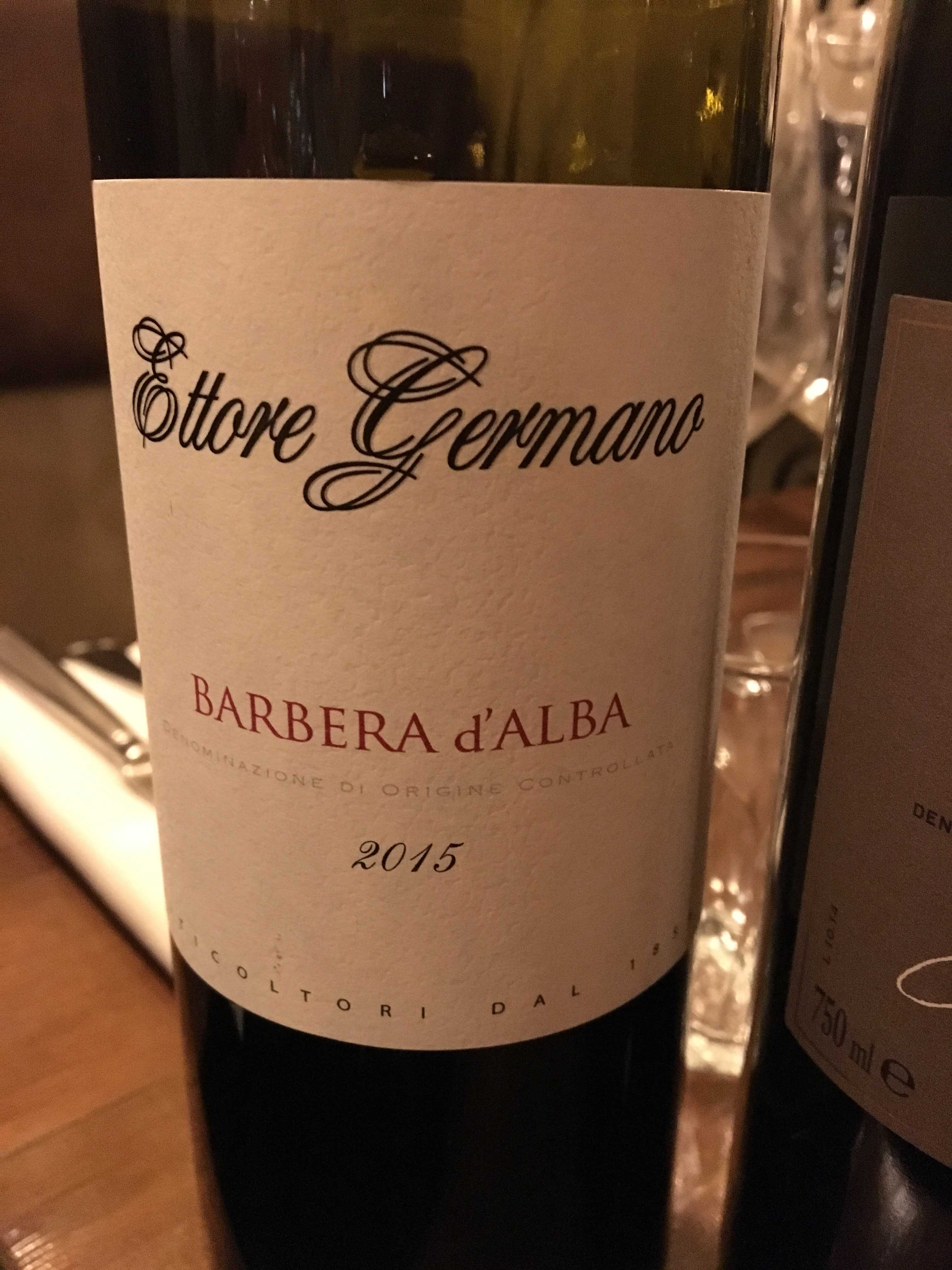
Dessert is a simple affair of apple tart paired with this divine passito style red wine from Recioto della Valpolicella. Its sweet and rich and got as much power as a Maserati! It’s a decadent end to a memorable meal. As we order the bill the hospitality keeps flowing, firstly in the form of some complimentary petit fours and a glass of grappa and then some Limoncello!

This has to be one of the best Italian restaurants in South West London and with its close proximity to Clapham Junction will be one that I’ll be frequenting again soon! One hundred percent guaranteed!


Biblical Rains, A Bar with a Killer wine list and Thirteen wines tasted! The tour just gets better

Waking to the sound of torrential rain pounding the tarmac outside our room we reflect on how lucky we had been yesterday with a dry day for cycling the Cote Rotie.

Summer Storm Video in Condrieu

We bid “au Revoir” to Julian our friendly waiter and dodging the Biblical rains we check out and go in search of breakfast.

IMG_3319

Finding a boulangerie with a selection of pastries to fortify the soul, pre wine tasting, we go in search of the other staple ingredient of a continental breakfast- Coffee!

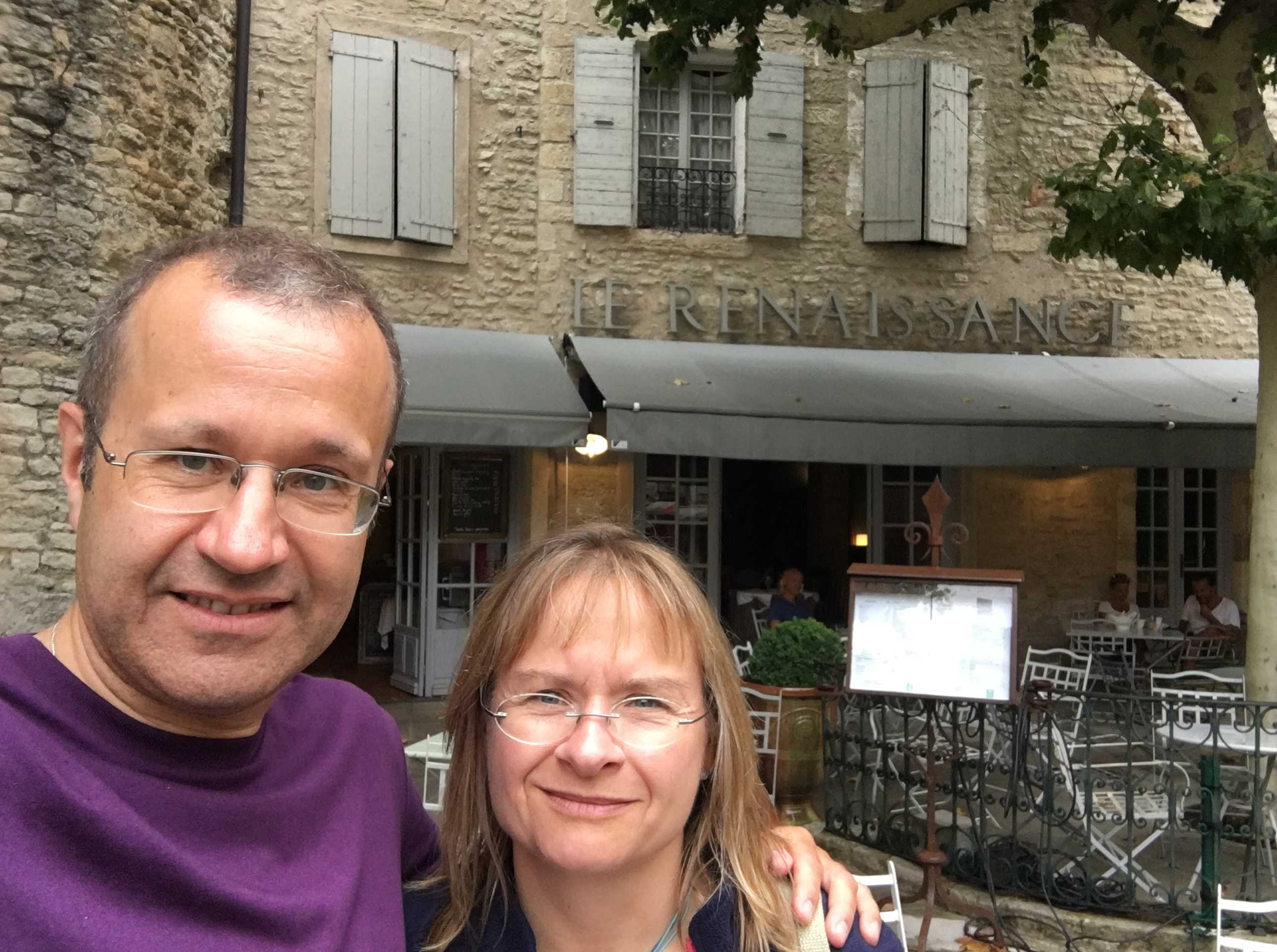
Winding our way around Condrieu’s narrow streets we find coffee in a bar. Walking in to it feels like the set of a wine movie! A veritable cast of rugged rustic types perched on bar stools. Some with an espresso others a glass of wine at 9am! All in boiler suits and wellies taking a break from tending their vines!

With a clientele such as this it’s no surprise to see they have an amazing wine list! In addition there’s also a huge range by the glass and with very little mark up!!

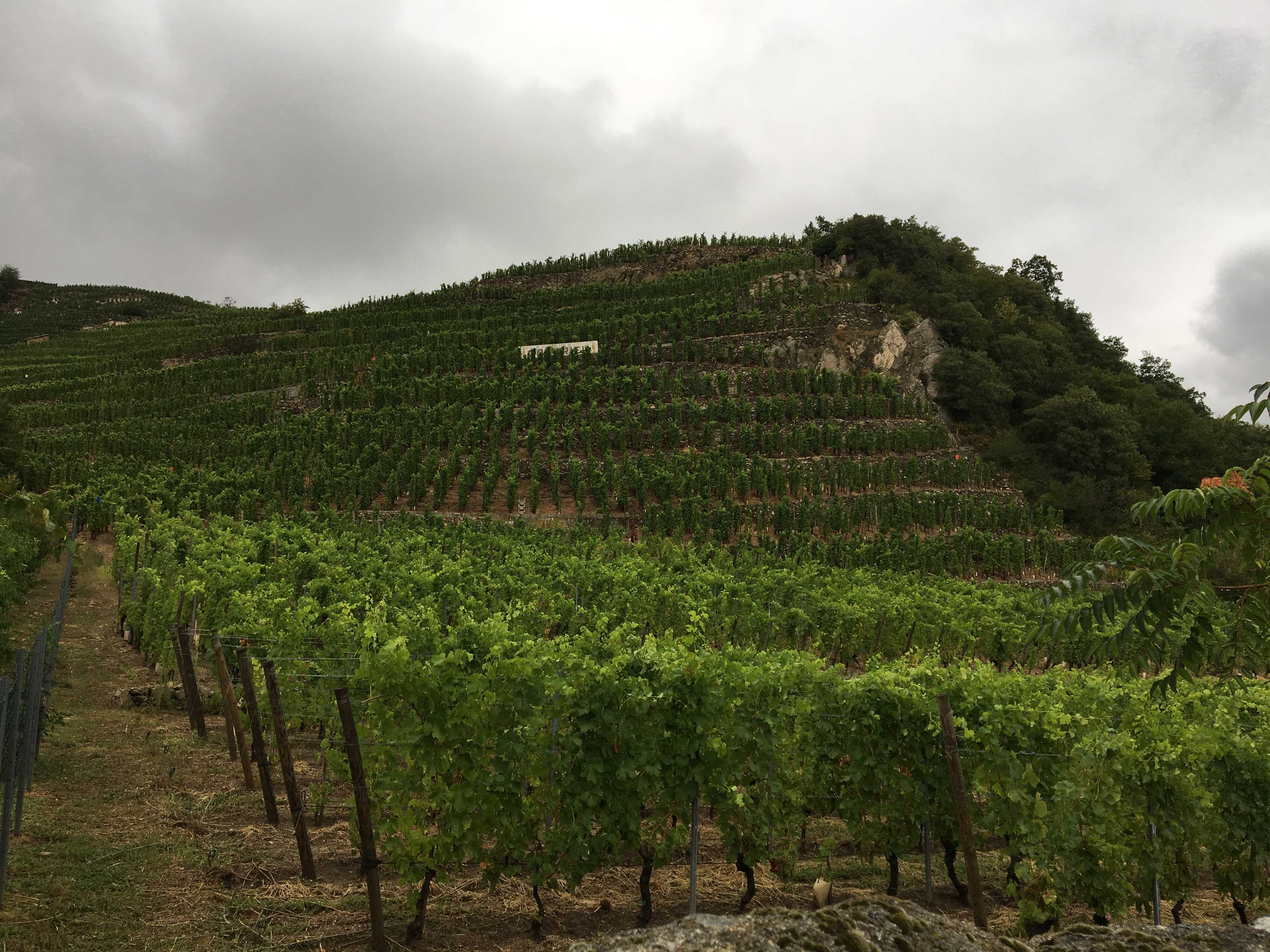
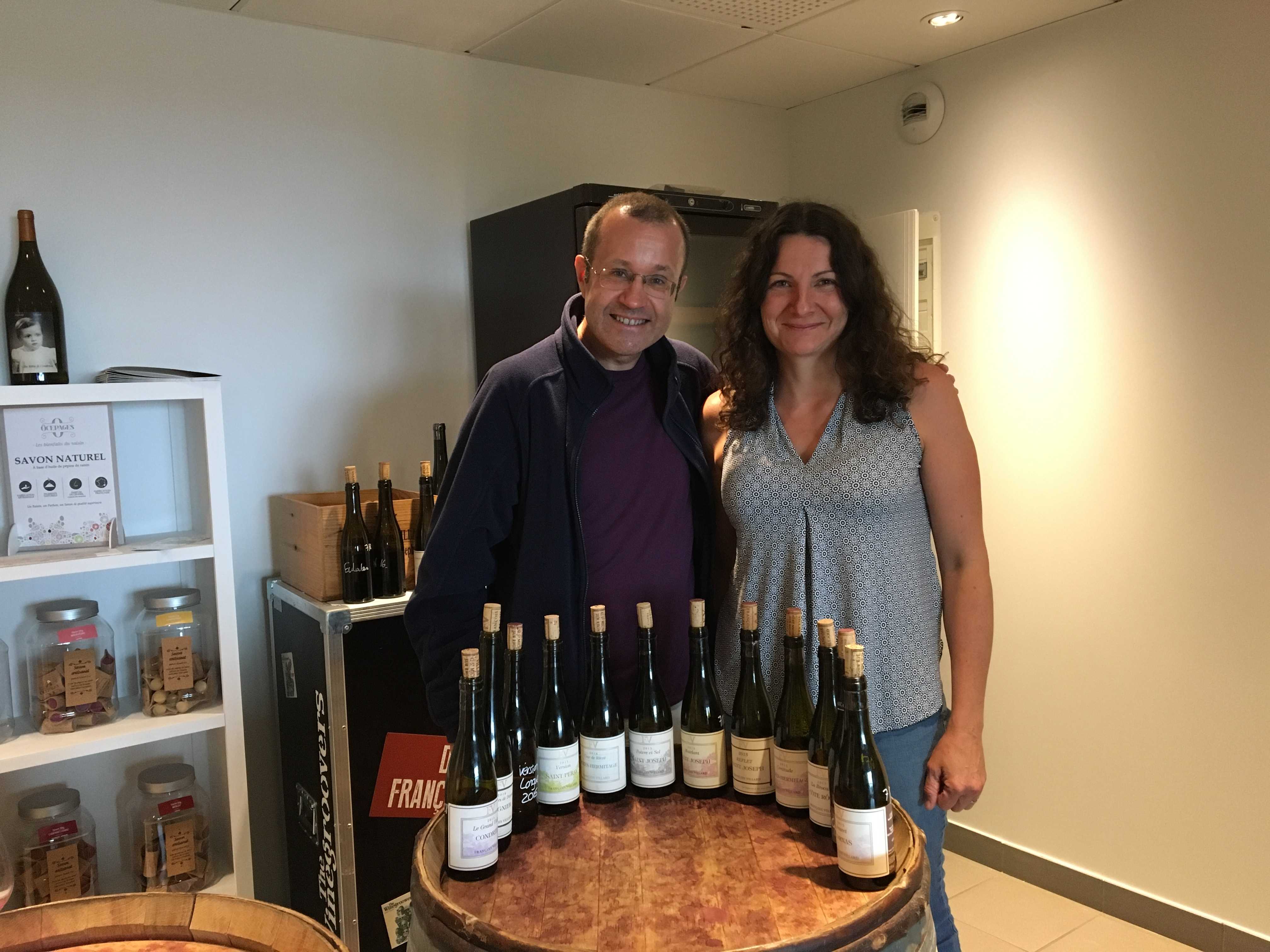
After our coffee stop we leave behind the town of Condrieu and make our steep ascent to the vineyards of Francois Villard in nearby Saint-Michel-sur-Rhône. Sometimes trying to find a winemakers caveau is a little like a puzzle or initiation test. Often there’s no clear signage, neither Googlemaps nor my Sat Nav are our frinds but eventually we find our way into the reception.

IMG_3328

Our host Letitia guides us through a veritable line up of Monsieur Villard’s wines. I have to conceal my excitement as I’m a little like a small child in a candy store!

Legend has it that Francois is self-taught but in fact he trained as a chef which led him into sommellerie, and then onto grape-growing and oenology.

Letitia tells that Francois produces around 300,000 bottles a year. 12 years ago it was just a quarter of that!

To the whites first!

2016 Crozes Hermitage ” Cour de Récré” . Medium Lemon in appearance with a nose of medium plus intensity and greengages, made from 100% Marsanne. Rich intense aromas of yellow fruit, dry, with medium (+) acidity, high alcohol, and resinous overtones from 30% oak exposure culminating in a medium (+) finish.

2016 Saint-Peray, a blend of 80% Marsanne/20% Rousanne, with a nose of honey and honeysuckle flowers, on the palate dry with medium (+) acidity, medium alcohol and medium (+) body and medium plus finish.

2015 Saint-Peray Version Longue: The big brother, 100% Marsanne and a bolder style of winemaking. 35% new oak and 18 months of lees ageing. Pale gold in appearance with pronounced aromas of pineapple and dried apricot. On the palate same fruits follow through from the nose. Dry with medium (+) acidity, high alcohol, medium (+) body and very long finish.

2016 Viognier Les Contours de Deponcins. An IGT wine made from 100% Viognier that’s located just above the Condrieu AOC contour limit of 250m. Nose of honey, white flowers, toasted nuts, white peach and violet. Aged in oak for a fuller richer style more aromas follow through from the nose dry, with medium (+) acidity, medium alcohol and medium (+) body and a pleasing long finish.

2015 Les Grand Vallon Condrieu. This wine is fermented in oak barrels and matures in a mixture of 35% new oak and 65% 3/5 year old oak barrels. Pale gold in appearance with a bouquet of white peach and apricot and complex smoky notes form oak. Developing in age with aromas of more white peach on the palate dry, with medium (+) acidity, medium (+) body, medium alcohol, a seductive smoky toasted oakiness and long finish. This wine exhibits great balance, good finish well integrated primary and secondary aromas and a degree of complexity. It’s an outstanding example of a Condrieu.

IMG_3321

and then the reds…

2015 Saint Joseph “Poivre et Sol” (Pepper and Soil). 100% Syrah. Medium purple in appearance. Aromas of animal, truffle and cassis. On the palate dry, medium (+) tannin, medium (+) body, medium alcohol and high acidity. More blackcurrant and a little vanilla. Long finish drinking well now.

2015 Saint Joseph “Mairlant”. 100% Syrah Medium purple in appearance. Notes of cassis on the nose. On the palate dry with high tannins, medium (+) alcohol, high acidity, aromas of blackcurrant and vanilla with a long finish. Needs minimum of 3 years in bottle to soften acidity and tannins.

2015 Saint Joseph “Reflet”. 100% SyrahDeep purple in appearance, a pronounced nose of cassis, violets, and myrrh. Developing in age, dry with high acidity, high tannins, full body, high alcohol, further aromas of cassis, myrtle berry and myrrh with secondary oak aromas of vanilla and toast. Lovely long finish integrated and well balanced.

2015 Le Gallet Blanc, Cote Rôtie. 100% Syrah. Matured in in oak for 18 months (30% new 70% 2/4 years old). Deep purple in appearance, Bone dry, with high acidity, full bodied, high tannin. Aromas of cassis and myrrh, vanilla and cream. Long integrated finish but still a baby with many years more to give.

2015 Cornas. Francois likes to make a Cornas that you can drink now! Its got fruit and spice and certainly doesn’t show the temperament of wine that usually needs to be tamed by 7 years plus in bottle. Dry, high alcohol, high tannins, medium (+) acidity, a balanced and complex mix of cassis and creaminess. Leaves you with a pleasurable long finish.

IMG_3323

IMG_3324

We thank Letitia for the dégustation and leave behind us the sensuous contours of the Rhone valley.  In no time at all we are back on the A7 Autoroute du Soleil. The rains of yesterday are a distant memory and the temperature starts to increase as we head into Provence. As we pass Avignon we can’t resist a quick detour to the heart of the Luberon to the picturesque perched village of Gordes, our base for our first French road trip many years before.

IMG_3330

We stop for coffee at the cafe that was one of the main locations in Ridley Scott’s A Good Year set in and around Gordes…Russell Crowe’s character in the movie uses the adjective “intoxicating” to describe the enchanting atmosphere of this area and it couldn’t be more appropriate.

Revived and refreshed we get back on the A7 and blast our way past majestic mountains  set against azure blue skies and vineyards laden with fruit to La Cadière D’Azur our next destination. The prettiest and most typical of perched villages in this part of the Bandol AOC we arrive just after 7pm. We are greeted warmly by Madame Bérard of L’Hostellerie Berard and check in to our room overlooking the pool. It’s a Tuesday night and the little village is buzzing as we make our way down the  narrow main street to the Restaurant Regain.

Trio in La Cadiere D’Azur Part 1

IMG_3329

We are both blown away by the simple home cooked food and local wines! We choose a Domaine de la Garenne 2011,Comte Jean de Balincourt. It’s a deep ruby in appearance with complex tertiary aromas already evident on the nose of meat, game, leather, tar and stewed damson fruit.
On the palate it’s dry with medium plus tannin, high alcohol, medium plus acidity, full body, well defined stewed damson fruit with secondary aromas of cedar, charred wood toast and clove.
Beautiful balance with medium plus length, intense tertiary fruits aplenty and a level of complexity that is disproportionate to its modest price!
An outstanding Bandol wine that still could yield more to those who wait but is a killer partner to a rare entrecôte steak in a Provençal village this evening!

Settling our bill we walk back down the main street in the village to the soundtrack of a local French band entertaining the locals.

Trio in La Cadiere D’Azur Part 2

We settle down with a Pastis and soak up the balmy atmosphere, a fusion of cicadas and flutes and gruff but melodic Provençal voices. It’s a world away from our day jobs and beautifully hypnotic!


Viennese Wine; The best of Austrian wine from Grüner Veltliner to Gemischter Satz!Part 1 – Weingut Weininger

As Spring 2017 was bursting forth across central Europe I spent a pleasant 5 days in Vienna. I knew from a previous visit that it  was well known for its Heurige (wine taverns) out in the suburbs and its local white varietal field blend known as Gemischter Satz. What I hadn’t appreciated,  was that the Viennese winemaking fraternity have well and truly thrown off the yoke of the anti-freeze scandal of the eighties and embarked on making in the main organic/biodynamic high quality wines that we see little of in the UK!

A little pre trip research indicated that the two must visit winemakers were Rainer Christ of Weingut Christ and Fritz Wieninger of Weingut Wieninger. Bacchus’ divine intervention was surely at play during my trip as a phone call to both Rainer and Fritz yielded two of the most enjoyable and interesting tasting visits that I’ve had the pleasure to indulge in across three continents!

Top 3 Viennese Wine Facts:

  1. Only capital city to have vineyards within the city limits.
  2. Wine has been grown in Vienna for over 2700 years.
  3. There are over 700 hectares of vines planted.

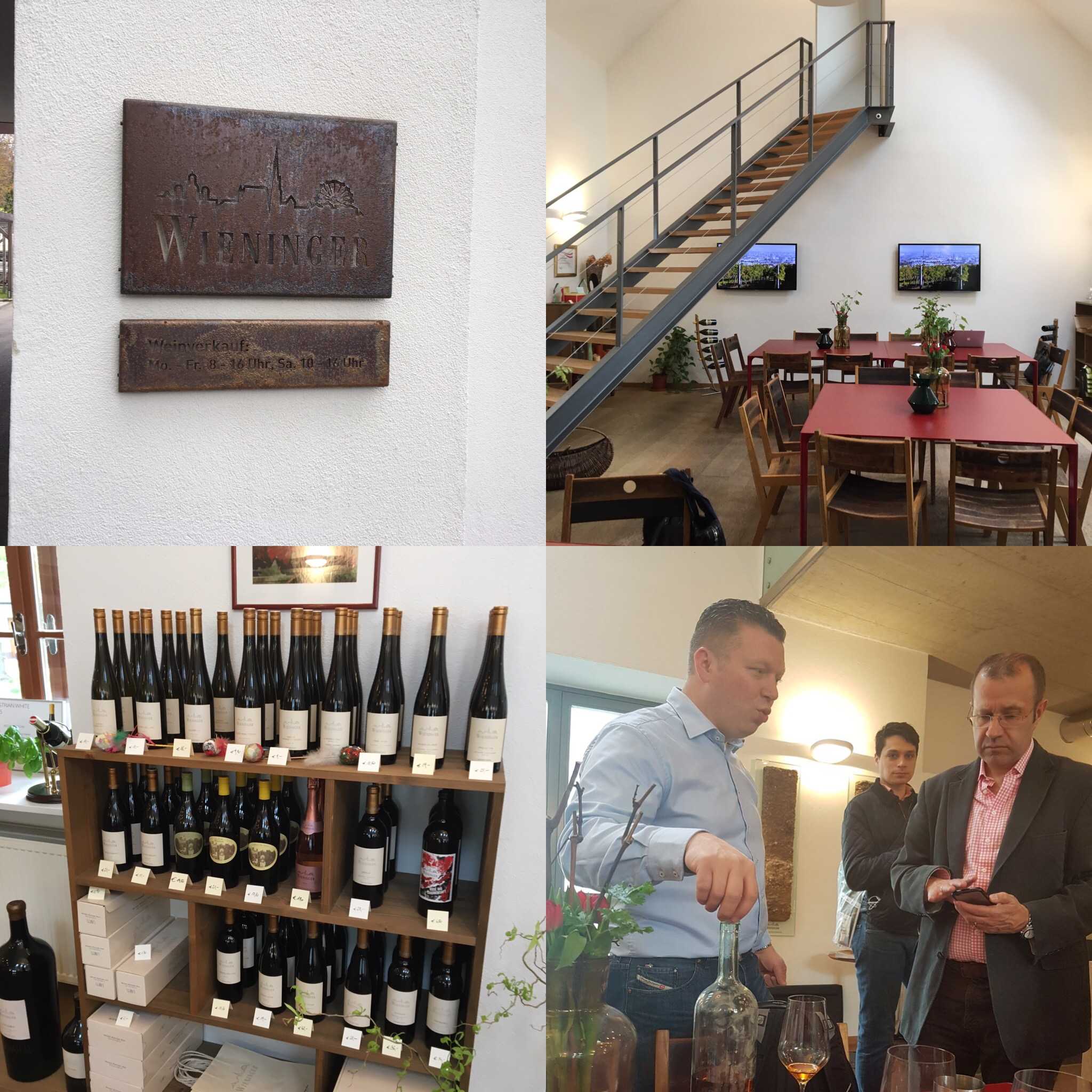
Weingut Wieninger

The wine district is no more than a 40 minute drive from the centre of Vienna. Leaving behind the imperial architecture of the Hapsburg era, passing semi industrial suburbs we climb the hills that surround the city and enter the enchanting area of the Heurige. 


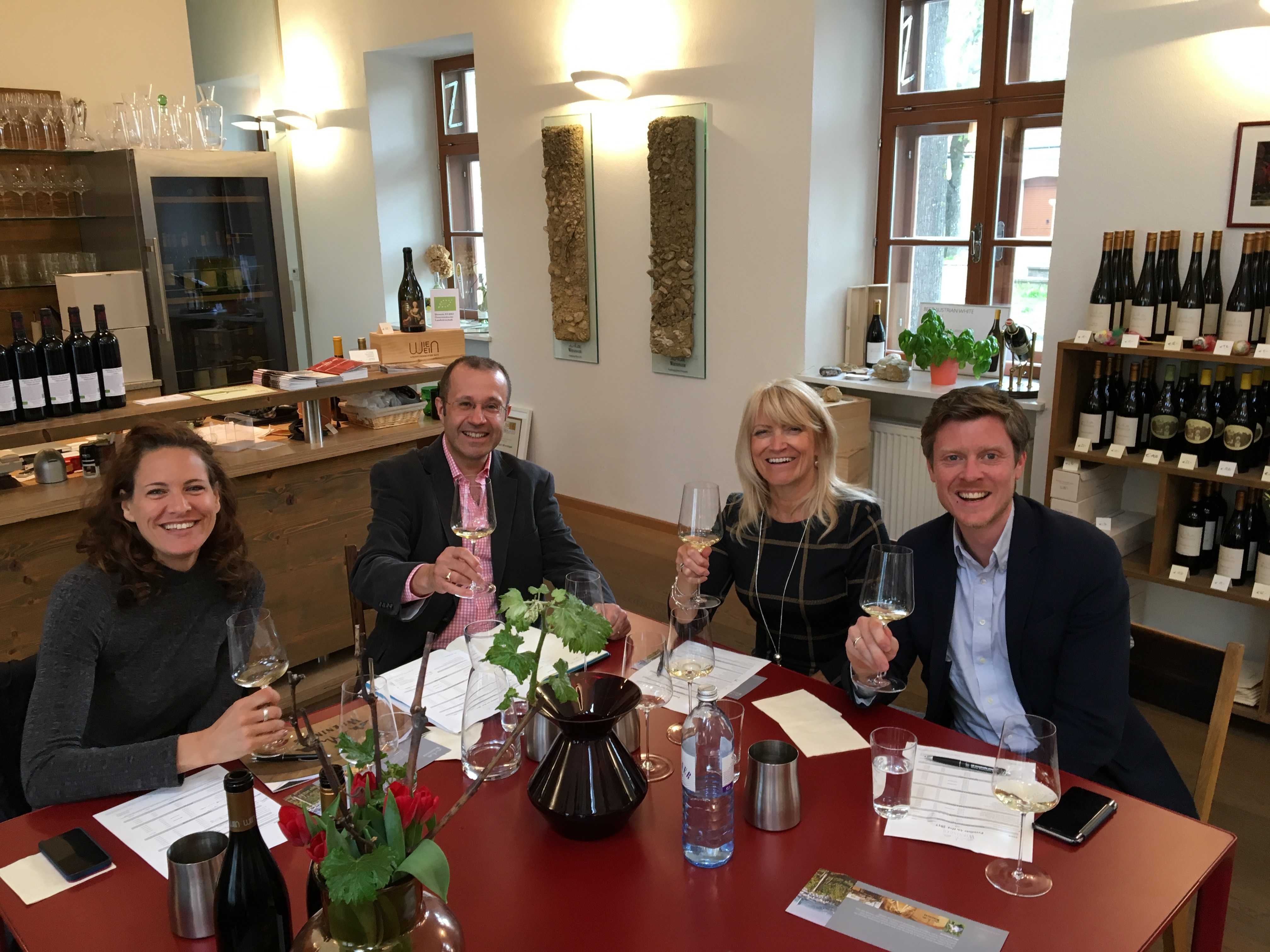
In the tasting room we are introduced to the sommelier and the dozen or so wines that we will try. Its a wine geeks paradise with display boards adorning the walls exhibiting the different types of terroir that make up the estate. It’s made really cosy with the glow of a wood burning fire.

3378A821-9853-4D05-B8F8-4B9587889DEF

My enthusiasm for sampling these wines rubs off on some friends who join me for the tasting. Its a throughly social experience and always enhanced by sharing the experience of exploring new wines.

B90AC878-DC17-4B11-82E9-09C27A7DD2C5

The tasting gets under way!


Kicking off the proceedings

Sekt Rose Cuvée Katharina 

A blend of 80% Pinot Noir and 20% Zweigelt. Fermented in the methode traditionelle with just 5g/L dosage. Pale salmon in appearance with a nose of strawberry mousse that is of medium (-) intensity. Dry with medium (+) acidity, a feature of early picking, medium (-) body, medium alcohol with more notes of strawberry mousse and autolytic aromas on the palate. Good balance and complexity a good wine drinking well now.

Terroir

One of the many great things at Weingut Wieninger is that opportunity to really experience the impact that contrasting terroir have on a wine.

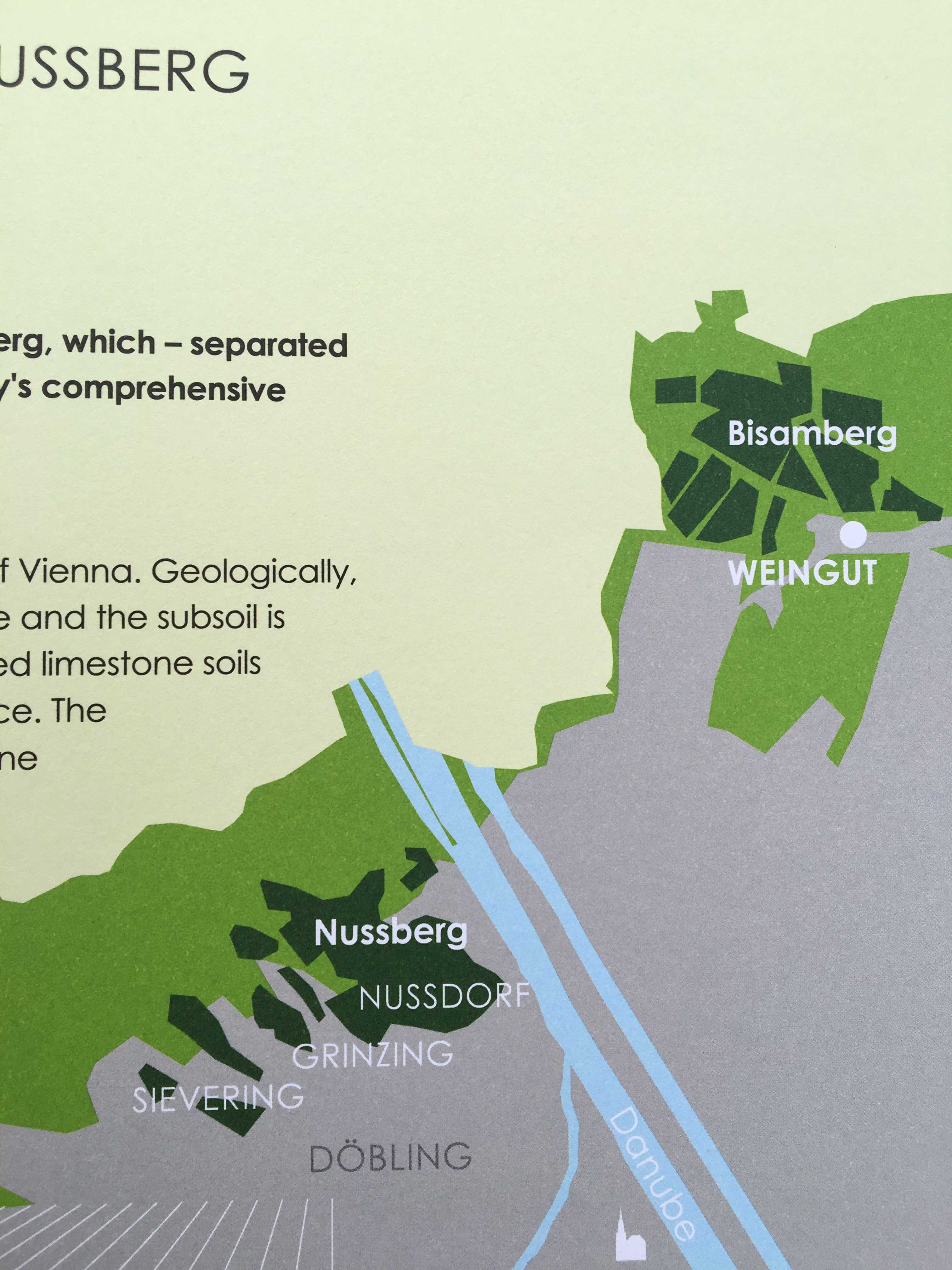
Our first introduction to this was in sampling Gruner Veltliner made on either side of the Danube from the Nussberg and Bisamberg sites.

Nussberg

Located on the west bank of the Danube is composed of shell limestone and weathered limestone soils with a subsoil of limestone rocks. This high limestone content yields excellent minerality. The clay content is distinctly higher than the Bisamberg on the opposite bank. The heavy soil with high limestone produces wines with a creamy texture, darker fruit tones and moderate acidity with a pronounced minerality. Suiting the local blend Gemischter Satz, Riesling, Traminer and Gruner Veltliner.

Bisamberg 

Located on the east bank of the Danube. With a climate that has more wind, more sun and 20% less rain. Light and sandy loess soil that suit red varietals and Chardonnay with the later making a style that is fresh and light with a vibrant acidity.

Gruner Veltliner Nussberg 2016

Medium gold in appearance with nose of white flowers and nettle. On palate a sharp granny smith apple frehsness and acidity with stoney minerality from the limestone. Lovely balance and expression of the Nussberg terroir.

Gruner Veltliner Bisamberg Herrenholz 2016

Medium gold in appearance. A nose that is a mix of white flowers and fruit salad. On the palate, dry with a medium plus acidity, exquisite minerality, medium body, with notes of fruit salad and peach.

Riesling Nussberg 2015

The grapes for the Riesling Nussberg are usually from the Preussen on the Nussberg, but because of the small yields and high ripeness, grapes from other vineyards on the Nussberg – the Obere Schoss and Purgstall – were also used. Preussen translates from the German for Prussia and take its name from the site of the camp of the Prusssian army when defending Vienna in wars past.  It was also a rose garden and its this feature which gives rise to a characteristic of this wine.

Appearance is pale gold with hints of green, aromatic nose of lychee, peach jam with honey and hints of petrol showing. On the palate dry with high acidity, medium plus body, medium alcohol culminating in a lengthy stone fruit infusion of peach and apricot.

9F0AFED9-EE5F-447D-8BB4-32CC67C46724

Wiener Gemischter Satz DAC 2016  

A fragrant and fresh young wine with a spicy fresh character. Pale gold in appearance with a dry refreshingly high acidity, medium alcohol and medium plus body with a fruit salad melange from the wider variety of grapes used. Medium finish.

Wiener Gemischter Satz DAC Bisamberg 2016

The Bisamberg soil is comprised of light, sandy loess covering massive limestone and is very calcareous. The varieties growing in this vineyard, which is approximately 40 years old,are Weissburgunder (40%), Grauburgunder (40%) and Chardonnay (20%). Appearance is pale gold with a nose of smoky grapefruit and stone fruit. Dry with high acidity, medium body and a medium plus finish.

Wiener Gemischter Satz DAC Nussberg 2015

This Wiener Gemischte Satz consists of 9 grape varieties – Weissburgunder, Neuburger, Welschriesling, Grüner Veltliner, Sylvaner, Zierfandler, Rotgipfler, Traminer and Riesling. All handpicked and processed together following the careful elimination of any botrytised grapes. Fermentation in 75% cooled steel tanks and another 25% in large old oak barrels. After 10 months maturation on the fine lees the different tanks and barrels were put together and the wine was bottled.

This wine exudes a nose of complex aromas a heady cocktail of  of lemon, peach, pineapples, herbs and wild flowers. An aposite expression of Gemischter Satz whose DAC rules dictate that as a field blend all the grape varietals are grown, harvested and fermented together even though they ripen at different times! The skill of the winemaker judges the best trade off between under and over ripe fruit and produces this distinctive wine style. With an increasingly large cohort of growers adopting organic and biodynamic principles many of theses field blends see wild flowers and herbs growing alongside the vines influencing the terroir and its precious fruit as well as increasing the biodiversity of the area.

The palate dry with medium plus acidity, medium alcohol and medium plus body, primary fruit aromas follow through from the nose and are integrated and balanced with secondary aromas of butter and toast ending in a rich mouthfeel with of long finish.

1E599BD3-FF5D-434A-95CD-A32467297E91

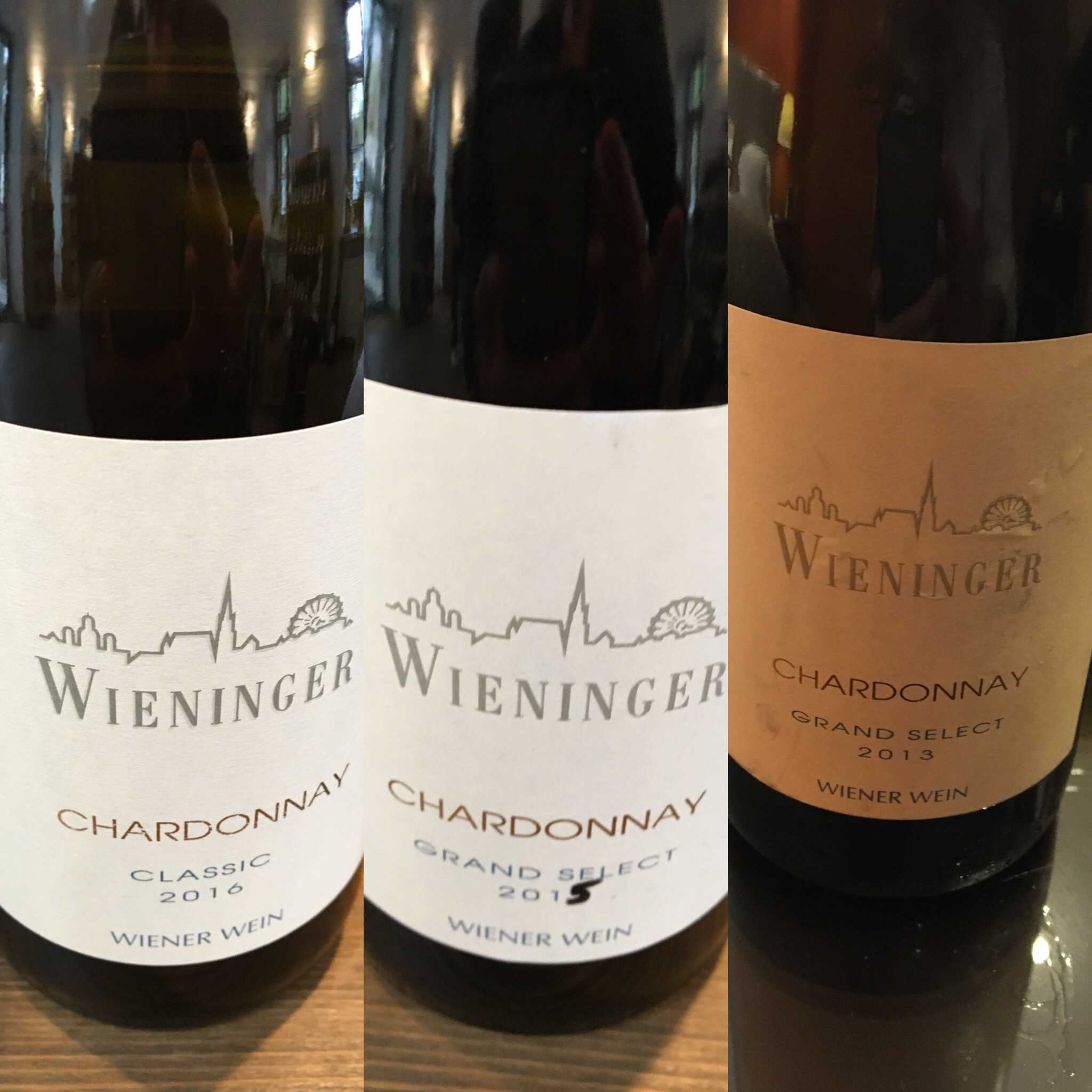
Chardonnay Classic 2016

The grapes for the Chardonnay Classic 2015 are almost solely from Vienna’s Bisamberg vineyards, though some come from a small single vineyard on the Nussberg.

The wine is a very pale gold in appearance, with a nose of citrus and some stone fruit. On the palate it is dry with high acidity with medium body. Culminating in a medium plus finish the wine is drinking well now.

Chardonnay Grand Select 2015

The grapes for the Chardonnay Grand Select 2013 came exclusively from the Wiener Bisamberg, specifically from the two oldest and best Chardonnay vineyards of the winery – Ried Breiten and Ried Kritschen. For the fermentation, the juice spent a short time in stainless steel tanks and was then transferred into 60%-new and 40%-used barriques. It then spent just under 30 months in oak.

The wine is medium gold in appearance. On the nose there are notes of cedar and vanilla  with string aromas of citrus and stone fruits. The palate has notes of citrus and apricot with exotic fruits such as melon and pineapple wound in a creamy texture from the malolactic fermentation and a pleasant toasty from the batonnage.

The wine has very good balance, a lengthy finish and complexity and will undoubtedly age well. Its a great example of a very good Chardonnay.

Chardonnay Grand Select 2013

This vintage was not available for tasting and there are few bottles left for sale but we managed to secure one and tasted it the next day although I’ll include the tasting notes here for continuity.

Deep gold in appearance. Nose pronounced secondary aromas of butter and toast while still exuding the exotic flavours of pineapple and mango. On the palate the wine is dry, with medium plus acidity and full body. There is more secondary flavours of butter and toast, and primary fruits of pineapple following through from the nose, culminating in long and richly textured finish.

An excellent example of a Chardonnay and my favourite wine of the vineyard.

2E71FB82-7BB5-4070-A74B-0C08D44A4B01

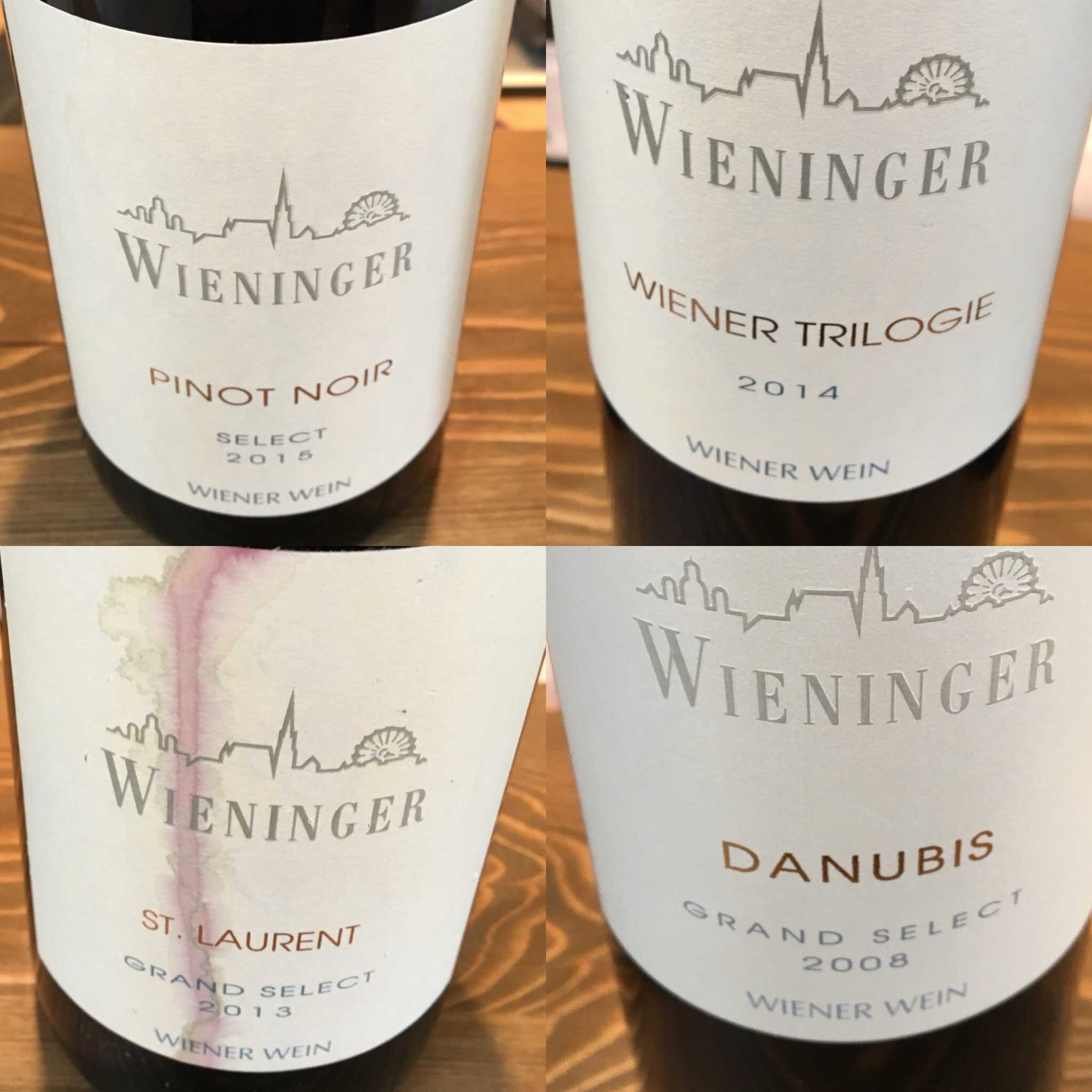
Pinot Noir Select 2015

Maturation in Burgundian barriques, 25% of them new. Pale ruby in appearance. Nose of  ripe red cherry with delicate spice from the new oak. On the palate dry, with medium body, medium plus acidity medium soft tannin and medium alcohol with more cherry fruit. The elegance of a Burgundian Pinot with a pure finish and good potential for development.

Wiener Trilogie 2014

The Wiener Trilogie 2014 is a blend comprised of 70% Zweigelt, 20% Cabernet Sauvignon and 10% Merlot, with the grape varieties harvested at different times. Medium ruby in appearance, this wine reveals an intense red berry nose with delicate spice from 20% exposure to oak, green pepper and cigar leaves. On the palate are more juicy, red cherry fruit notes  with gentle tannins, dry with medium plus acidity.  A great everyday day drinking wine.

St. Laurent Grand Select 2013
The wine is matured in oak barrels for up to 26 months. Dark ruby ​​garnet in appearance.  A nose of red cherry with herbs and tobacco notes. On the palate more red cherry and blackcurrant juicy fruit exudes sweetness. Dry with medium plus body and well integrated tannins also hints of tarmac as a indication of ageing.

Danubis Grand Select 2008

Danubis Grand Select 2008 consists of 50 % Cabernet Sauvignon, 40 % Merlot and 10 % Zweigelt. 30 months, barrique maturation and a further one year in bottle before release. Nose of black fruits with hints of tobacco and spice. More juicy blackberry fruits follow through on the palate giving a rich mouthfeel with firm rounded tannins.

Blown away by the combination of volume and quality of wines and the wonderful hospitality afford us we head back into the city unequivocal and unanimous in agreement that Viennese wines rock!

These wines are available in the UK from

Connolly´s Wine Merchants

Arch 13, 220 Livery Street
Birmingham. B31EU
England
show location Phone number: +44 12123 69269
Fax number: +44 1212 332 33
Email: sales@connollyswine.co.uk
http://www.connollyswine.co.uk

Liberty Wines Ltd

6 Timbermill Way
LONDON
SW4 6LY
show location Phone number: +44 (0) 20 7819 0315
Fax number:
Email: order@libertywines.co.uk
http://www.libertywines.co.uk

In Part 2 we visit Rainer Christ vineyard and look forward to sharing more Viennese delights with you.