The summer weather on the Italian lakes can be quite unpredictable with the searing heat causing dramatic thunderstorms to blow up. Today was no exception with one forecasted for around 4pm.
We breakfasted like kings on the terrace with a traditional Italian spread of local cheeses, hams, pastries and jams all washed down with a large dose of espresso! Made all the more dramatic against a backdrop of bells peeling from a nearby church.
Lake Como with Church Bell Soundtrack
Deciding to maximise our day and beat the storm we packed our rucksack and headed off on the “Greenway del Lario” a 10km trail that takes you between Lake Como and the many villages behind away from the busy main road between Colonno and Cadennabia.
We joined the trail just a distance from our hotel in the village of Susino. Here we were afforded stunning views of the lake and this striking church.

We pressed on through Azzano before descending down to the lake from Mezzegra, pausing for a few moments to take in this view towards the Lido di Lenno.

As the path weaved through a few lanes and brought us right onto to the lakeside the heat of the morning sun was becoming intense. Just before the San Giorgio Hotel there was a little beach and so we decided to take a refreshing dip with a little open water swimming to cool off.
We then headed off to the bustling lakeside town of Lenno which is one of the stopping points for the many ferry boats which are the essential mode of transport for travelling round Lake Como.
Jostling our way through the crowds at the busy Tuesday street market we soaked up the atmosphere by the little marina and admiring the view towards the Villa Balbianello.
 A closer view shows the stunning opulence of these lakeside villas with contrasting shades of terracotta, probably the holiday home of some A lister or millionaire!

We headed back up through the market to pick up the Greenway again and as we did we heard “Bonjour” and not “Buongiorno”. It was our new found French friends Laurence and Rèmy and their families out exploring in Lenno! With a “Bonne journée” we left them and continued on into Lenno to pick up the trail.
In Lenno we found a real gem. “La Cantina Vini Sfusi di Lenno”, or bulk wine cellar in English!
Here you bring along your container and they fill it straight from these steel tanks at €2.20 per litre! We tried the Bonarda which was surprisingly drinkable for an everyday table wine!
They also sell lots of high end Italian wines and spirits too. We had hoped to go to one of the legendary Valtellina vineyards Pelizatti Perego, but having phoned Isabella one of the winemakers that morning she apologised that no one was available and advised me to book in advance for our next trip. As a comprise for not getting to Valtellina we decided to splash out on a bottle of the Passito style red wine that this region is famed for.
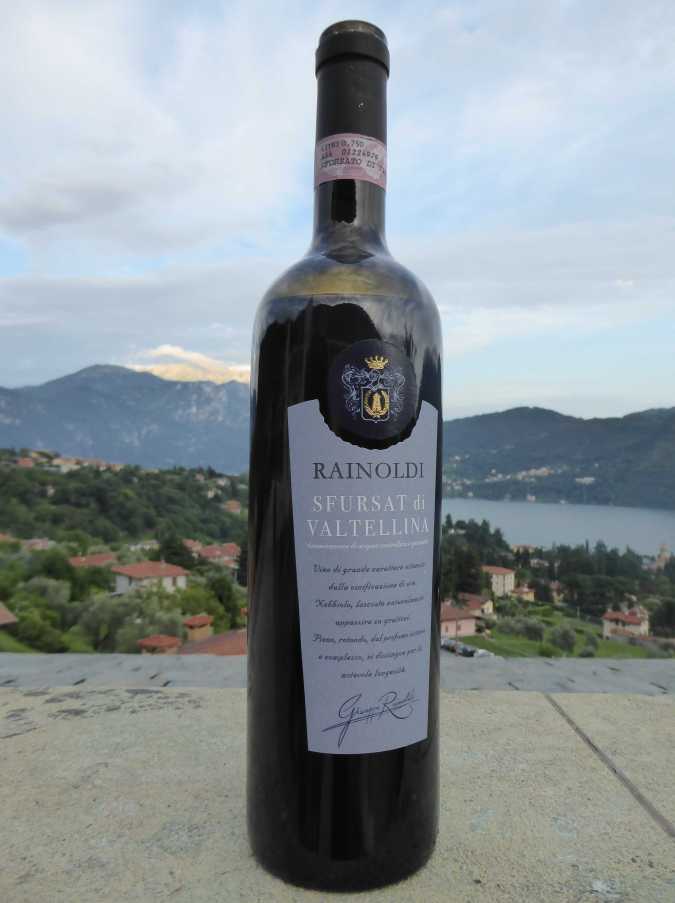
Sfursat di Valtellina, one of the two DOCG in Valtellina, is a dry red wine made by drying grapes in much the same way as in Amarone, the grapes being dried out in specially vented cellars before pressing, the wine is aged for a minimum of 18 months, with the key grape variety being Chiavennasca (The local name for Nebbiolo), DOCG rules dictate at least 90% Nebbiolo in the blend.
Scanning the shelves in the Cantina we spotted one bottle of this treasured beauty left. We made our purchase and asked the owner which Valtellina foods would accompany this best. The answer came local aged Braesola, and any good local hard cheeses such as Bitto or Casera. With this crucial information carefully written down we continued along the Greenway trail.

Just past Lenno, sauntering along the Greenway we passed a convent with a cobbled path on the opposite side going down to the lake. A chain cordoning the access off was down so we took this as in invitation to swim in this idyllic spot above.
Quiet and secluded away from the bustle of Lenno it was only as we swam out to the white buoy in the middle that we noticed a sign saying “Privado” ! At this point we took our chances and continue with our swim with no adverse consequences.
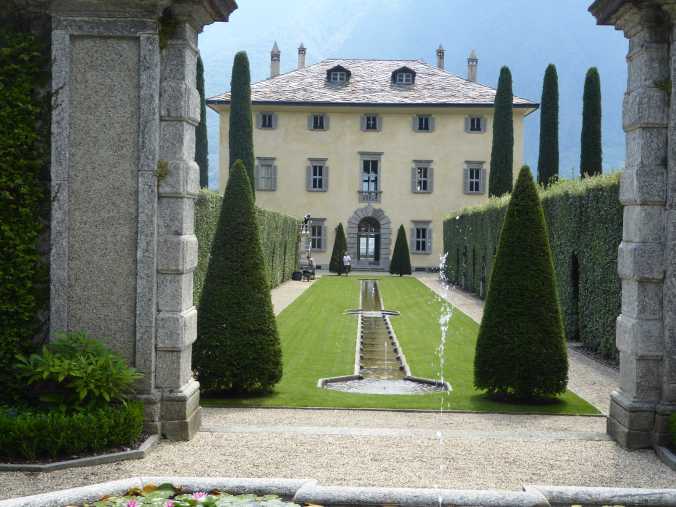 Out of the water and continuing back on the trail it took us past the stunning if not lesser known Villa Balbiano, where we paused to admire the perfect symmetry of the gardens.
Noticing that the weather was on the turn and anticipating the storm’s earlier arrival we doubled back along the route towards Lenno before we got to Colonno arriving just in time to pick up the shuttle boat to Tremezzo which took us a mere 10 mins.
 Back at the hotel we jumped in the car to head down to the nearby village of Mezzegra to use the local laundrette and to buy our essential Valtellina cheeses for our locally themed picnic dinner.
As we arrived in Mezzegra the heavens opened and the streets became awash with raging torrents of water. We sat for a while sheltering in the car before making a run for it to the nearby laundrette . Whilst trying to figure out the operating instructions we met another couple in there who offered assistance.
Andy was a Swiss-German architect and his partner was a German neurologist. As our respective loads spun through their 35 minute cycle we chatted partly in German, partly in English.
They told me they had a boat on the lake. It turned out that is was more than just a boat! A magnificent 35 foot hand built Tuillo Abate powerboat which was moored nearby. Fast boats were Andy’s passion and we learnt a little of the history of Tuillo Abate whose shipyard was in the village of Mezzegra.
We all remarked it was like one of those random meetings in a movie where strangers connect and chat like old friends!
As the dryer finished its cycle we headed off the the little deli opposite to buy our cheese and then made our way back to Hotel La Perla in Tremezzo.
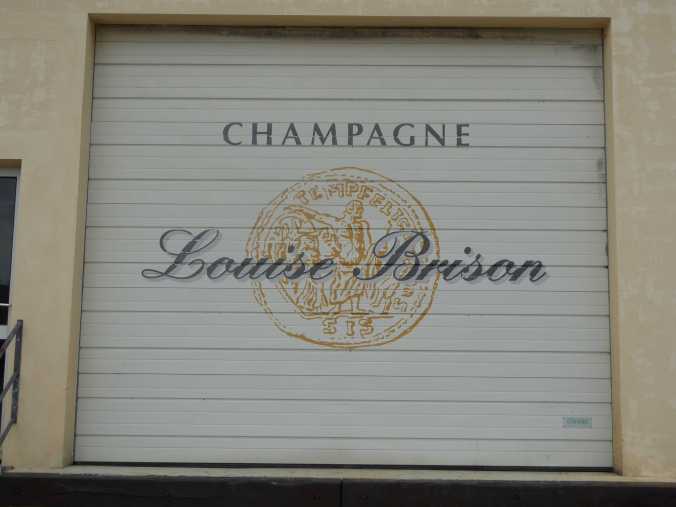
As we got ready for dinner the storm clouds started to lift, so we cracked open the 1999 Louise Brison champagne and enjoyed our aperitif on our balcony.

We had planned to picnic on the balcony, however Clilia and Mara were having none of it! Instead, as their “snackbar” was closed they offered us the use of the main hotel terrace, put us out plates and crockery and some really lovely Bordeaux style wine glasses! It really was a very special picnic!
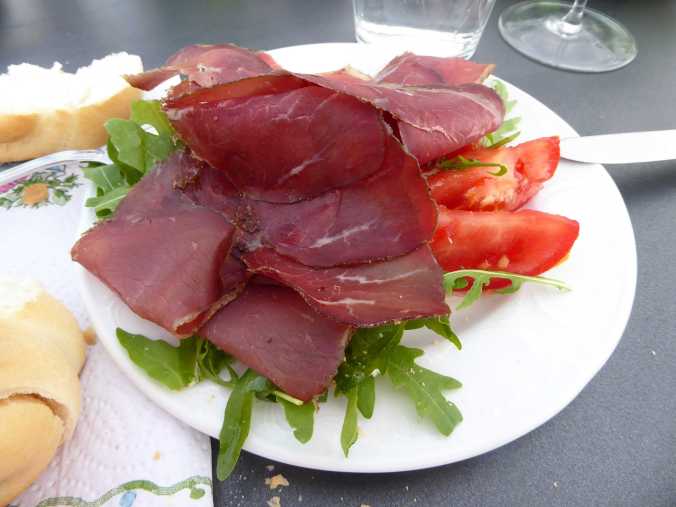
The freshest local ingredients; The Braesola was strongly flavoured from months of maturation seasoned with the fresh peppery rocket and offset with sweet plum tomatoes.
The Sfursat was exceptional! A nose of plum, damson and chocolate. Really soft tannins, a dry long lingering finish with violets and damsons. It was the perfect partner to the local cheeses and Braesola. There’s always something really special about enjoying wine and food that are coterminous with the same terroir!
 The cheeses were pretty exceptional too especially the Casera with its hard, texture and intense mature flavour!
During dinner we had the added spectacle of the seeing the sunset again over the pink tipped mountain tops and as the terrace became enveloped in darkness, we looked out across the sparkling lights of the lakeside villages and decided to head back to our room in anticipation of a long drive the next day!
We were just about to crash out when there was a knock at the door; We’d forgotten that we had promised to meet our new found French friends for a final Grappa on the terrace! Again entering into the Entente Cordiale spirit and banishing those Brexit demons we joined Rèmy and Laurence on the terrace for a final Grappa and late night conversation!


 And so to the tasting….
 tims food and wine travels