Condrieu AOC and the Côte-Rôtie AOC on two wheels!

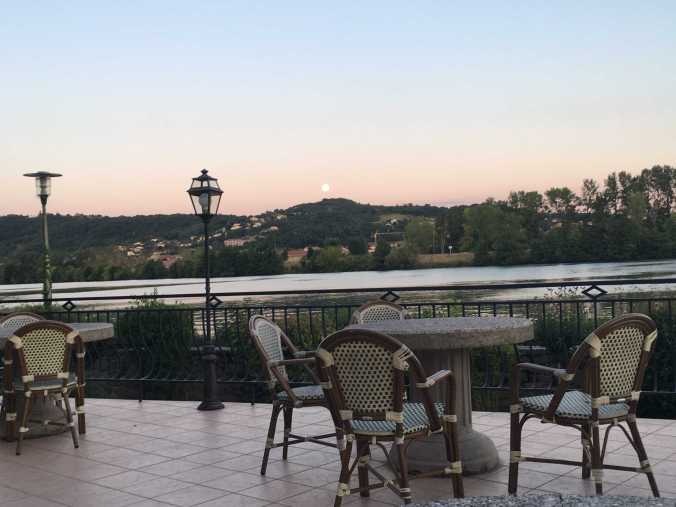
As the hotel prep our bikes for us we have a little time to take in this stunning view of the  Rhone adjacent to Le Beau Rivage Hotel.
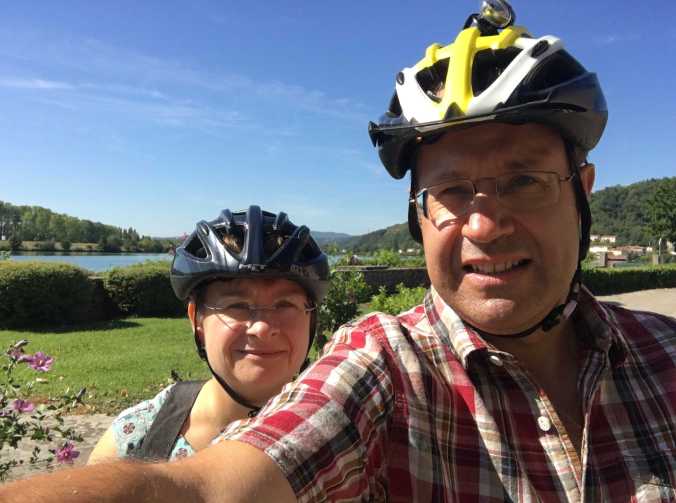
River Rhone by Le Beau RivageIMG_3261

We cycle into Condrieu at a moderate pace in search of a Boulangerie. On route we compose a wish list of must visit winemakers in Condrieu and the Côte Rôtie, naively thinking our list would be complete by the end of the day!

Breakfast is a simple affair of pain au chocolat, it’s only 11:45am and we have Domaine Georges Vernay in our sights. We hurry across the road into their tasting room opposite the boulangerie and are disappointed to learn that it’s about to close for lunch and advised to return after 2pm!

We see a sign for the local Tourist Office and decide to get some intel on the other winemakers on our wish list. Schoolboy error! Most winemakers in Condrieu are taking two weeks off before the vendage!

We cut our losses and decide to venture to the Côte Rôtie. As we pedal leisurely along the car free ViaRhôna greenway we can already feel the sun burning our arms and the warm breeze from the river on our faces.

As we reach a roundabout it’s decision time! Either rejoin the busy main road to Ampuis and dodge some French HGV drivers fuelled up on their mid morning plat du jour et demi bouteille de vin or dig deep and take the quiet and almost traffic free 1 in 5 ascent to the town of Tupin-et-Semons at the top of the plateau of the Côte Rôtie.

The gears work their magic and our legs push hard on the pedals as we pass rows of vines. It’s obvious that these grapes are all tended to and harvest by hand and it helps to give some understanding of the labour intensive costs associated with these wines.
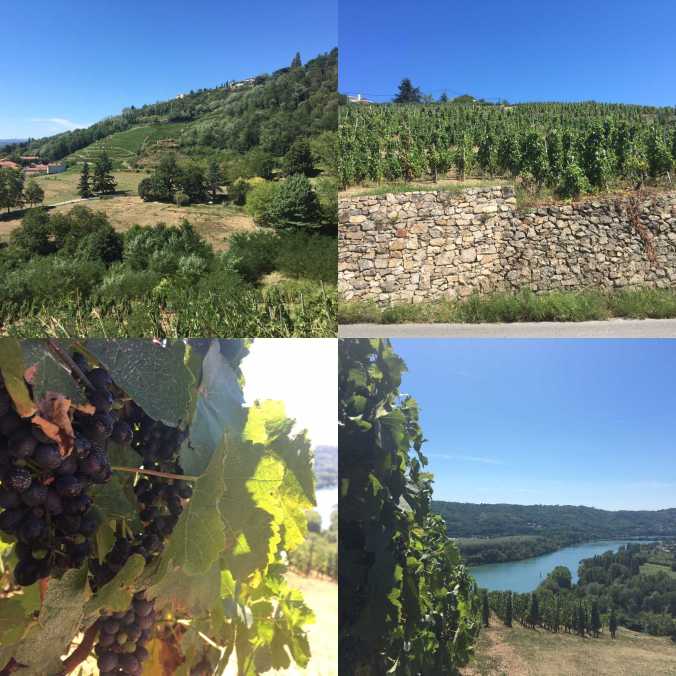
IMG_3255

As we reach the summit we feel a mixture of exhaustion and exhilaration?
IMG_3260

Just past the church down a little lane we spot Auberge de la Source  A welcome oasis where we hope to take lunch and rehydrate!

The restaurant has the most incredible views across the Rhône and Côte Rôtie.

We meet the delightful Lucy, one of the co-proprietors who has recently taken over the running of the Auberge. She explains that they are full as they have a block booking from a local care home, the place is packed with local pensioners tucking into traditional Lyonnaise cooking.

It’s a really heartwarming sight to see the care and respect afforded to these senior citizens who are laughing and enjoying themselves, a model of care that should be aspired too, we think!

Lucy brings us a large jug of ice cool water and we order a glass of chilled St. Joseph white and one of a Condrieu, kick back and take in the panoramic view.

IMG_3256

We get a further boost when Lucy tells us that her partner and chef is happy to rustle up 2 Salade Niçoise during a break in service. We gratefully order and spontaeously ask for the wine list! After all it is our wedding anniversary and for once neither of us is driving!

We order a stunning Condrieu Maison Christophe Pichon 2016
It’s pale gold in appearance with a medium plus intensity on the nose of white peach, wet stones and white blossom. On the nose it’s dry, with medium acidity, a full body, high alcohol with fresh apricot notes and high turpines. Ending on a very long finish with a full and pleasing mouthfeel. This Condrieu is youthful at present drinking well now with good balance and length with is great!  It’s also showing enough intensity and complexity to keep you coming back for more. An outstanding wine.

We descend down the Côte Rôtie and head towards the river to pick up the ViaRhôna once again.

Cote Rotie vineyards near Tupin-et-Semons

Passing a vista of terraces planted with Syrah and a smattering of Viognier. A combination of the topography and the effects of the Mistral necessitating  different forms of viticulture as seen below. Bottom left bush vines free standing whilst bottom right they are tied at the top for resilience and support against the winds!
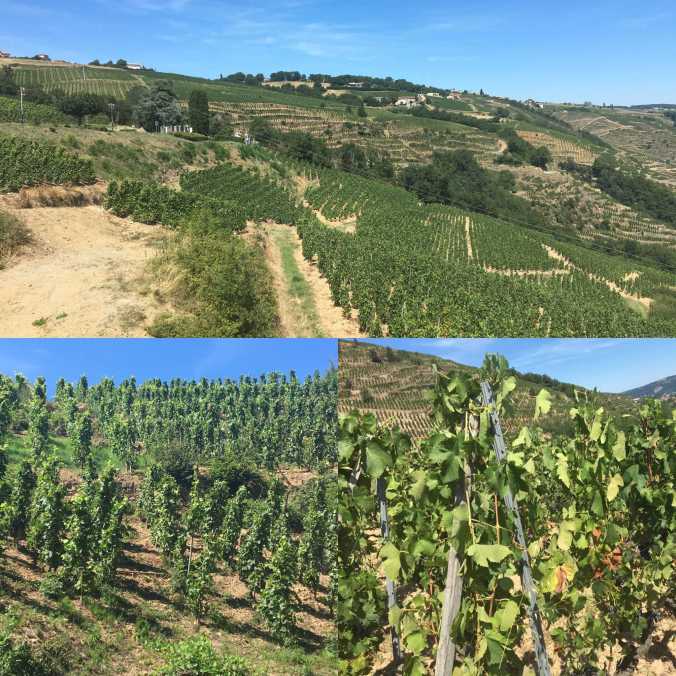
IMG_3257

Standing majestically just a few metres from the river is the iconic Domaine E. Guigal
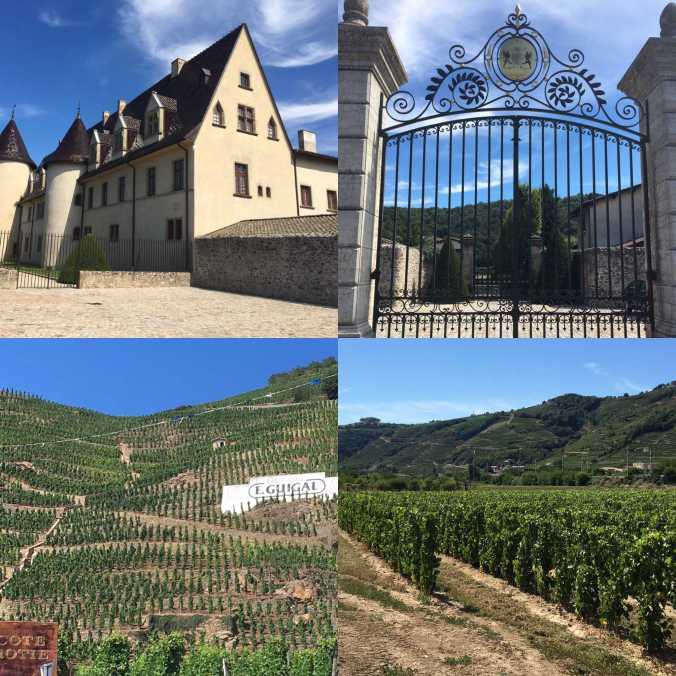
IMG_3258

We arrive back in Condrieu in time for a visit to the legendary Domaine Georges Vernay . Georges is long retired and his daughter, Christine, is now running the Domaine and expanding its range to major in both reds as well as the historic whites, her father’s legacy. It’s incredible that there were 170 hectares under the AOC when granted in 1940.

By the 1950s there were just 6 hectares left with many producers giving up on the back breaking and labour intensive terraced viticulture that is a central feature of this AOC. At a time when his neighbours were pulling back Georges showed commitment and dedication to the terroir by clearing land on the slopes of the Coteau du Vernon of dense acacia and oak to plant a further acre! Today Christine has 22 hectares under viticulture all organically farmed.
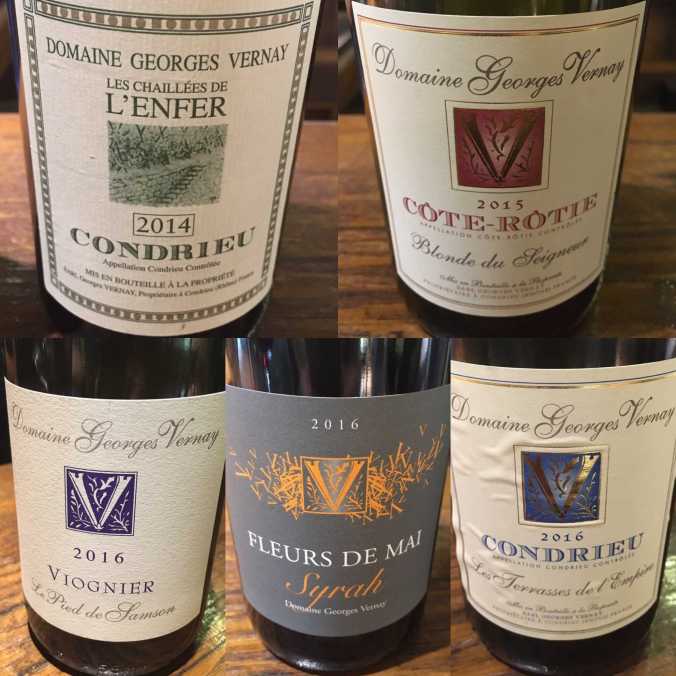
IMG_3267

Inside the tasting room we opt to taste a range of wines.

Vin de Pays des Collines Rhodaniennes
Viognier: Pied de Samson 2016

Made from 100% Viognier but grown just above the 300m upper altitude limit of the Condrieu AOC and so classified as an IGP.  Fermented and matured in stainless steel, this wine is pale gold and made in a light style of Condrieu with lots of fresh stone fruit aromas of peach and apricot. It has medium plus acidity and medium to light medium alcohol with a medium finish.

Les Terrasses de L’empire Condrieu 2016

Classic nose of stone fruits all apricot and white peach with a hint of almond. Following through on the palate with medium body and medium plus acidity. Drinking well now with 2/4 years ageing potential. Fermented and matured in oak foudré for a richer style of Condrieu.

Les Chailles de L’Enfer Condrieu 2014

A Condrieu made in a style for ageing. Palate aromas of yellow fruit, especially ripe apricot more than white stone fruit but with a balanced background minerality. Medium plus body with medium acidity and long refined finish. A great wine that is delicately balanced with refined length and superb balance and complexity.

Vin de Pays des Collines Rhodaniennes Syrah: Fleurs du Mai 2016
Made from 100% Syrah but grown just above the 300m upper altitude limit of the Côte Rôtie AOC and so classified as an IGP.  Matured for 6 months in old wood barrels. Aromas of red cherry and tar secondary aromas on the nose with a purple/ruby appearance. Nose aromas continue on the palate with medium plus tannin and medium plus acidity. Drinking well now but will continue to improve over the next 4/5 years.

2015 Cote Rotie Blonde du Seigneur
A blend of 95% Syrah, 5% Viognier.Matured in 25% new oak barrel.
Medium purple appearance, jammy black currant nose with notes of toast and tar from secondary aromas. On the palate, dry with medium plus tannin, medium plus body, medium alcohol, medium plus acidity and long finish. A classic style for this AOC with great balance length, intensity and complexity, a little young now and will age for another 15 years or so.
After our boozy tasting we cycle back to the hotel, drop off our bottles and pick up our swim things for a dip in the municipal Lido on the other side of the river.

Here I fall foul of the Lido police who inset that my swimming shorts are too long and prohibit me from taking a refreshing dip in the pool. I fall on the mercy of the changing room attendant who passes me a pair of speedo trunks as my passport to the pool! With no options left I take the trunks and make for the pool. It’s so worth it! The pool is clean and refreshing and the perfect way to cool down after and cycling adventure.

With our body temperatures back to normal we cycle back to the hotel and turn around quickly. It’s a gorgeous evening and the restaurant manager decides to host service in the gardens by the river.

Knowing that it’s our wedding anniversary Julian has reserved us the best table in the garden right next to the still waters of the Rhône.

IMG_3294

Julian naturally recommends us a stunning Condrieu made in a style to perfectly accompany the pork filet mignon with a mustard sauce. The grapes for this wine are grown on terroir that is adjacent to the Chateau-Grillet AOC, the most prestigious in the Condrieu area but at prices out of my league.

IMG_3259

Condrieu Coteau du Chery 2015 Andre Perret
This wine is medium gold in appearance, with a medium plus intensity of peach and smokiness from partial oak. It is developing in character. On the palate it’s dry with medium plus acidity, high alcohol and a full bodied rounded rich mouthfeel with aromas of apricot and toasted cedar and a long lingering finish. In assesment there is balance in harmony with a great length, and intensity with complex flavours evolving. A great wine drinking well now and with some further ageing potential of a few years.

The richness of this style of Condrieu is perfect to balance the rich flavours of the pork and mustard main course.

We were so enchanted by the Apricot dessert from the tasting menu the night before that we reorder the same again along with a another glass of Muscat de Beaumes-de-Venise.  To our surprise they put their own signature finish to the dish wishing us both a Happy Anniversary! A really lovely touch to bring a perfect day to its close!

IMG_3293

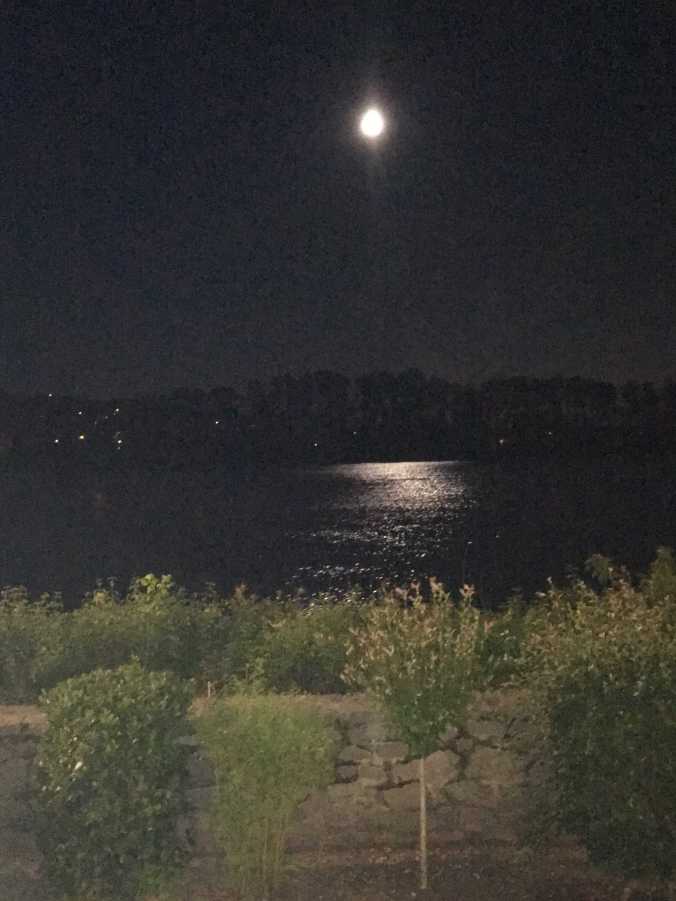
With the moon working its magic on the river we stroll back to our room after another amazing day!
Chateaux, Abbeys Stellar Food and Wine, Wine, Wine!

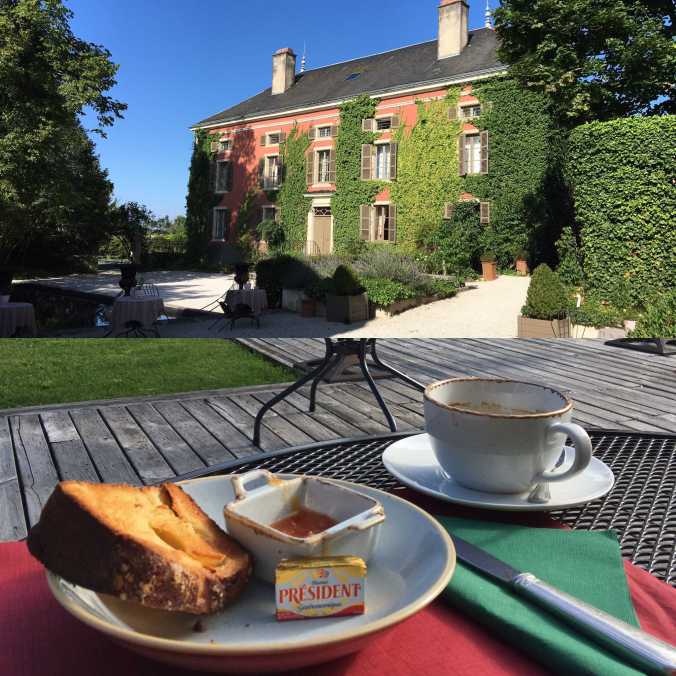
An intense azure blue sky is the opposite to what we saw the day before as we take in our last breakfast at the Chateau de Courban before hitting the road.

Most of the time, when on tour we take a room only so we can experience the delights of the local boulangerie but in Courban it's not really an option as the nearest one is a good five miles away and anyway it's an excuse to indulge in their delicious breakfast buffet! For me the toasted brioche with homemade apricot jam was irresistible.

As we loaded up the car we decided to take a small detour to the UNESCO World Heritage site, Fontenay Abbey, a decision we would later congratulate ourselves on!

At the centre of Châtillon-sur-Seine we pass this lovely fountain, one of many around the town.

We leave the the bustling town behind us and wind our way out into the beautiful rolling Burgundian hills. A landscape that is a riot of shades of green pastures dotted with the unmistakeable creamy white whisps of Charolais cows! The soothing brogue of Hugh Bonneville on Desert Island Disks is our soundtrack, it's the perfect fusion of the senses to instil peace and a sense of calm.

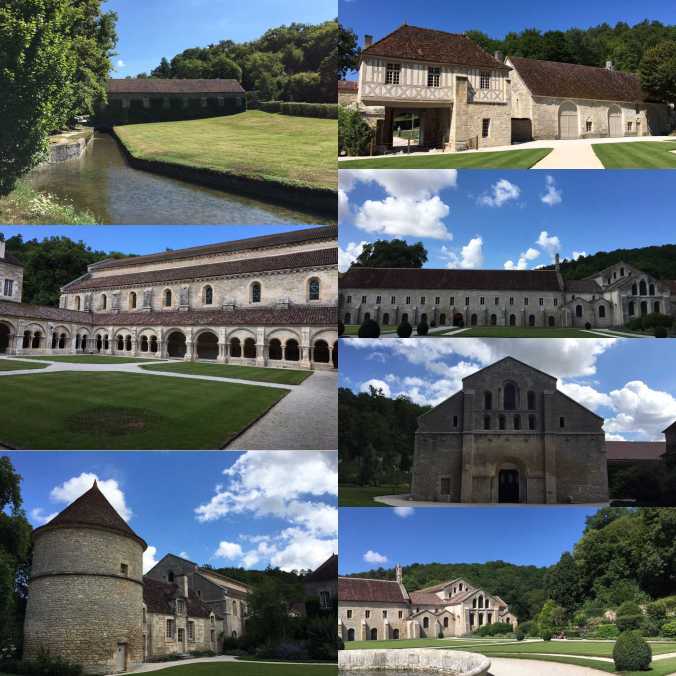
Arriving at Fontenay we estimate a quick pit stop but are unprepared for the sheer wonder of the place.

Founded in 1118 by Saint Bernard it is one of the oldest Cistercian abbeys. The industrious monks cleared a swamp that was here and dried the land to build the abbey and its surrounding buildings. The abbey was wealthy from 12th Century to the 15th Century with a community of more than two hundred monks.

The abbey owned a huge estate which was cultivated and farmed by the monks they even used their engineering prowess to create a novel forge, the first of its kind in Europe. By the 16th Century the abbey started to decline partly as the abbots became appointed by the King!

By the time of the French Revolution there were only twelve monks left. In 1790 the abbey was sold as state property and bought in 1820 by Elie de Montgolfier, a descendant of the famous pioneers of hot air balloon flight. He transformed the abbey into a paper mill. In 1906 Edouard Aynard, a wealthy financier and art collector bought the abbey back from his father in law, Raymond de Montgolfier.

He rescued the former abbey, transforming it from an industrial site and restoring the buildings to their original architectural beauty. The abbey remains in the family's ownership today and is listed as a UNESCO World Heritage site.

Fontenay Panoramic Views 1

Fontenay Panoramic Views 2

Completely wowed by Fontenay we head off with a taste for a little more Burgundian architectural splendour and in search of the King of Burgundian cheeses, Epoisse!

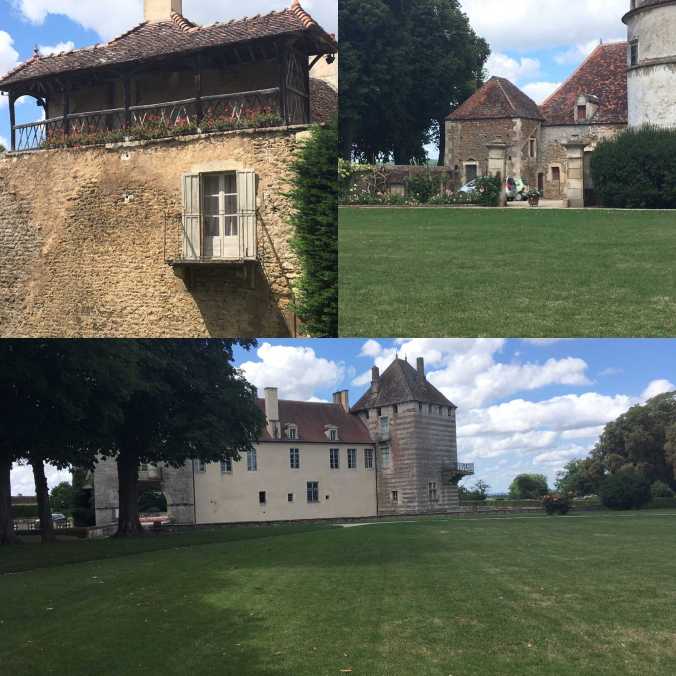
Sadly the dairy which offers five different iterations of this strong and creamy Marc washed cheese was closed as was the local gourmand food store opposite the castle so we settled on a brisk walk around the inside of the castle, which is a perfectly preserved example of a double moated castle.

At the ticket office was a young French student combining his weekend job with some flute practice and this was the result!

Live flute at Epoisse

The temperature was rising and as we raced down the autoroute towards Beaujolais our next pit stop, we decided on an unscheduled stop just outside Beaune to take a dip in the natural outdoor lido!

Refreshed and refuelled with the leftovers of the previous night's picnic we continued towards Beaujolais. We wanted to be in Condrieu before 7pm and thinking that as it was a Sunday afternoon most cellars would be closed we just plucked a lesser known Cru as a wild card on the off chance somewhere would be open.

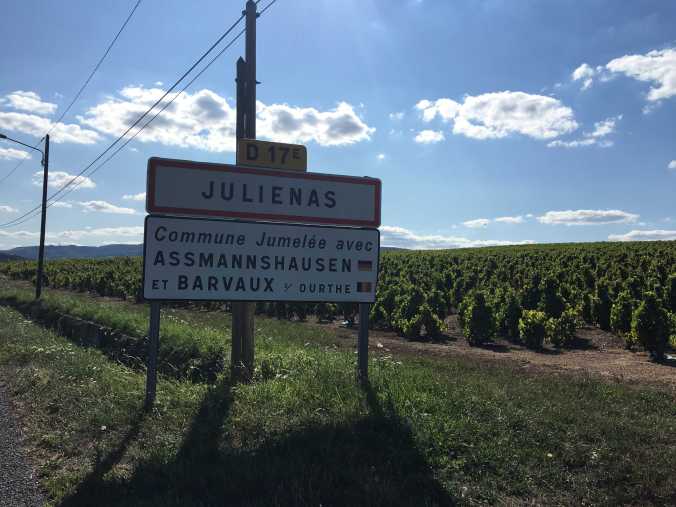
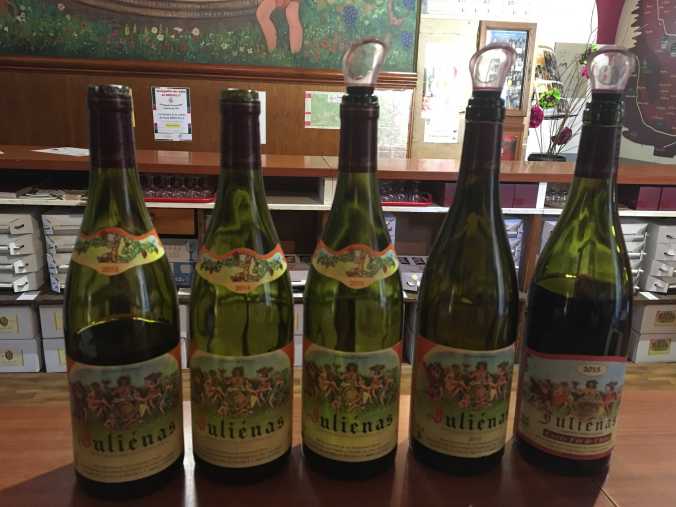
Julienas rewarded us with the local producers association PR centre being open. Housed in a former church and also used as an education centre on the wines of Julienas they also offered tastings! Here's the results!

The terroir of Julienas is granite and shale with clay veins.

Julienas 2013 Red; Medium ruby red in appearance, developing wine with a raspberry nose. More red fruit on the palate in the form of red cherry, dry with light tannin, medium alcohol, medium body and a long finish.

Julienas 2014 Red: Medium ruby red appearance again with a nose of Parma violets and red cherry with more of these flavours coming through on the palate. Dry, with medium tannin, medium alcohol, medium body and a medium plus finish.

Julienas 2015 Red: As predicted medium Ruby appearance, with a nose of bubblegum from the carbonic maceration. On the palate, dry with light tannin, medium alcohol and body lots of red cherry fruit and a medium plus finish. Developing and would benefit from keeping longer although drinking well now if you prefer a lighter, fruitier style.

Julienas 2016 White: Pale lemon in appearance. On the nose, white flowers, green apple and a hint of lemon. No oak. On the palate, dry, with medium plus alcohol and medium plus body, medium plus acidity and a medium plus finish. Aromas of apricot, peach and hints of tropical fruit. A surprising 100% Chardonnay Beaujolais which makes up less than 3% of total grapes grown in the Julienas AOC.

Julienas 2015 Red Oaked: Medium ruby red in appearance with red fruit, red cherry nose. On the palate, light sour red cherry aromas, like a cherry yoghurt. Dry, medium tannin, medium alcohol, light body, medium plus finish.

We arrive at the Le Beau Rivage before sunset in time for a quick change before dinner. Then a leisurely stroll along the Rhone before we drink a glass of Condrieu in Condrieu while studying the extensive wine list and menu as the sun goes down.

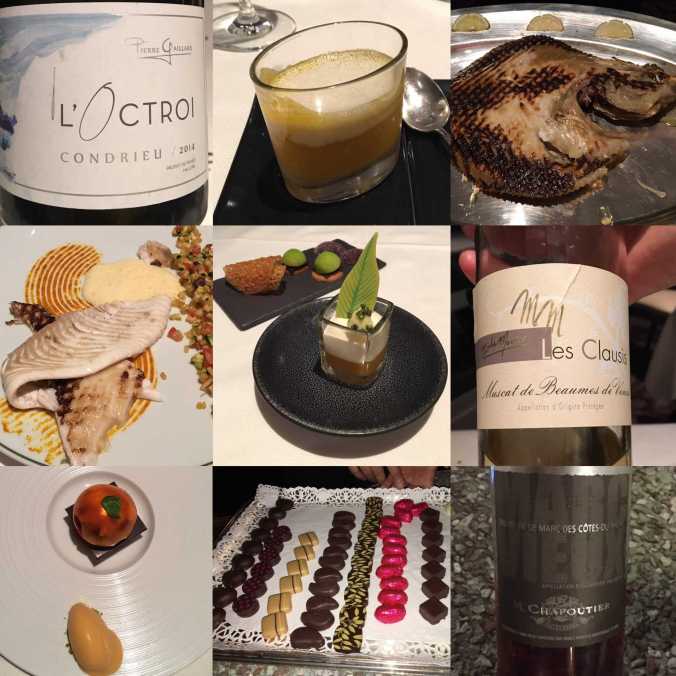
We are looked after by the charming Julian whose knowledge of wines is incredible we think he must be the sommelier and are surprised that he is not! We go for the turbot to share which we thought is a classic Condrieu pairing and our guided by Julian to the sublime 2014 Pierre Gaillard L'Octroi.

Dinner is a triumph of great food as much as great wines to match!

2014 Pierre Gaillard L'Octroi Condrieu

Pale gold in appearance with medium plus intensity on the nose of white peach and honeysuckle. A developing wine which is dry, with medium plus acidity, medium alcohol, medium plus body and a rich intensity of more stone fruits apricot and peach with background refreshing minerality. This is a beautifully balanced wine with a long lingering finish and seamlessly integrated components that are both intensely rich and complex. It is drinking well now and is an outstanding example of a fresh unoaked Condrieu.

The Turbot is amazing. Grilled whole and served by Julian at the table. It is perfectly cooked and is succulent and rich in flavour accompanied by a perfect hollandaise.

Whilst perusing the dessert menu we get food envy seeing the dessert from the tasting menu go to an adjacent table and twist Julian's arm to see if we can have that! Chef agrees and we are excited!

The dessert is a sorbet of apricot with pistachios granules and an apricot sugar dome covering an apricot and rosemary mousse sitting on poached apricots on a dark chocolate square. It's a riot of stone fruits with lots of sweet and sour/acid flavours going on and an incredible dessert which looks spectacular.

Dessert is classicly paired with a Beaumes-de-Venise and followed with coffee and an incredible selection of chocolates from the nearby house of Valrhona.

Dinner is rounded off with a Marc from Maison M.Chapoutier after dinner we take a romantic moonlight stroll along the Rhone.

Its the perfect end to another perfect day.

La Route du Cremant

Sleeping soundly in our huge bed we are awoken by the sound of raindrops on the Velux windows! No light shower either a substantial downpour that puts paid to any thoughts of a swim before breakfast. A recce of the complimentary bikes reveals why they are complimentary, there are no gears!

After a thirty second discussion the bike idea is canned and we head off to breakfast. The spread is amazing as usual. A range of cheeses and charcuterie, fresh fruit, pastries, quiches and tarts.

Refuelled and ready to go we head off to Châtillon-sur-Seine, the largest town on La Route du Cremant. This is a signed 120km route around the villages that surround Châtillon-sur-Seine which make both still and sparkling wines but are really renowned for their sparkling methode traditionelle wines.

Châtillon-sur-Seine is largely closed for business it’s the first day of the two weeks of French holidays that many independent shops close up for. We do find a shop promoting the still and sparkling wines of Bailly Lapierre. A massive result as their cellars are a good hour and half away and not on our schedule. There’s a range of Cremant on tasting so at 11am the first bubbly passes my lips and after making my selections leave with a spring in my step.

We find a little boulangerie and stop for coffee and share a deliciously sweet almond croissant. We then head to the nearby Auchan supermarche to recce for our picnic dinner later before realising that it’s already 12:30pm and all the Cremants producers are now out to lunch!

We drive back to the hotel passing through the vineyards View Vineyards at Massingy

Back in Courban we catch a few rays by the pool and cool off before heading back out to Belan-sur-Ource in search of Jean Girard a legendary Cremant producer.

After speaking to a few locals we approach his cellar door in anticipation and ring the bell. Monsieur Girard greets us and invites us in for a degustation.


Once inside his caveau Jean introduces us to his extensive range of Cremant.

100% Pinot Noir that is full of red fruit with a perfect balance of acidity and fruit flavours. It benefits from one year of lees ageing and retails at the cellar door for just 7 Euros!

100% Chardonnay is a lovely pale gold colour with a nose that indicates longer lees ageing. On the palate more brioche like notes and hints of tropical fruit like banana and pineapple. Drinking well now this wine can be aged further. Slightly high price point at 8 Euros per bottle.

Pinot Noir/Chardonnay blend (assemblage) . 70% Pinot Noir and the rest Chardonnay. Very food friendly with more depth and complexity than either single grape Cuvée! Made in a classic champagne style with great balance of acidity and fruit flavours combined with a sophistication from the time on the lees, one of my favourites and a steel for any occasion at just 7.5 Euros per bottle.

The last 2 premier Cremant were not available for tasting but based on the experience of those that I did I thought was worth a punt!

Pinot and Chardonnay blend with 3 years of bottle ageing and just under 10 Euros a bottle!

A Sousbois oaked 100% Chardonnay Cremant with 3 years of bottle ageing and again a value price point of 13 Euros! Tasting notes to follow on these two when I crack them open on my return.

We try to visit another producer in the next village Domaine Brigand but they are just closing up for the evening. There’s just enough time to taste two Cremants

A 100% Chardonnay (Carte Blanche 2012) and a Pinot Noir. The Pinot is well made with medium (+) acidity and hints of red fruit on the palate which follow through from the nose but the Chardonnay is a triumph! Pale gold in appearance with a dry taste and medium (+) acidity, hints of white flowers, apple and lemon on the nose which follow through on the palate with great balance, intensity and length. The 3 years of bottle ageing yield secondary notes of biscuit and brioche. A really lovely Cremant.

After the tasting we stop to see the veraison taking place on some of the Pinot vines near the caveau. We return to the Auchan supermarket and pick up some delicious local produce for our simple picnic to accompany our Cremant. A local pate with a pastry crust, some traditional Burgundian ham in parsley aspic, saucisson sec and some salad with celeriac and carrot remoulade. We are now fully equipped to dine like the Dukes of Burgundy!
With the perfect backdrop of a setting sun we sit down to our picnic with our bottle of classic Jean Girard Cremant. We are entertained by swifts tumbling across the sky feeding on a plethora of insects. Our soundtrack is birdsong and the quarter chimes of the church bells. It’s perfect and idyllic! The picnic hits the spot too.

Panoramic Sunset Picnic

Sunset Church Bell Chimes

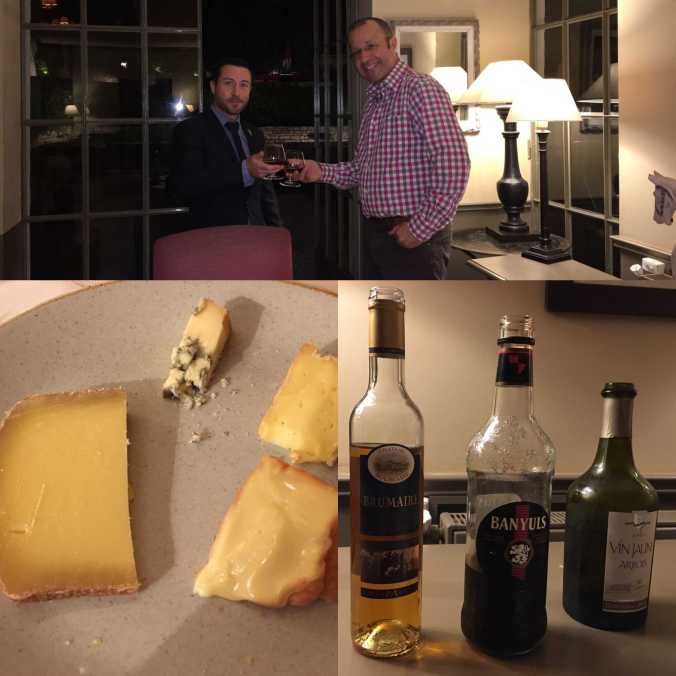
And now just to finish off ….. we fancy a little assiette du fromage and Jean-Noel the sommelier and restaurant manager of the Chateau du Courban obliges with a great cheese selection, he also has some sublime wine pairings.

Blue Fourme d’ Ambert a rich creamy and intense cheese with salty undertone paired with a 12 year old Banyuls: deep ruby in colour with burnt rubber and dried cherry notes on the nose, off dry with medium plus acidity and notes of raisin and dried fruit on the palate.

Livarot and Epoisse with a Brumaire Juancon. Medium strength creamy cheeses with an umami tang that works brilliantly with the sweetness of the Jurancon which still has a background acidity.

The best pairing was the last and most classic. An aged Comte cheese with a 2005 Vin Jaune d’Arbois. It has an intense resinous oxidised nose, a beautiful deep gold appearance, this wine maturing well, dry, high acidity, full bodied, high alcohol, with very long finish and a lovely mouthfeel of hazelnuts. Outstanding!

The Tour du Vin de France begins

The mood is set for a relaxing two weeks of enjoying the best of French food and wine. We are spending our first 2 days in the charming and delightful Chateau de Courban located in the Côte de Chatillon. However, before we slipped into the rural tranquility of Courban we decided on a quick detour to Reims, the capital of Champagne!

As we glide along the French motorway leaving behind a cool and slightly overcast Blighty our thoughts turn to the delights of the French service station. Stopping there is always a pleasure! There’s usually freshly baked, mouth wateringly good pastries and great coffee! Such a contrast to the limited offerings on British motorways. We stopped for an apricot pastry and a cafe au lait that was a triumph of French patisserie!

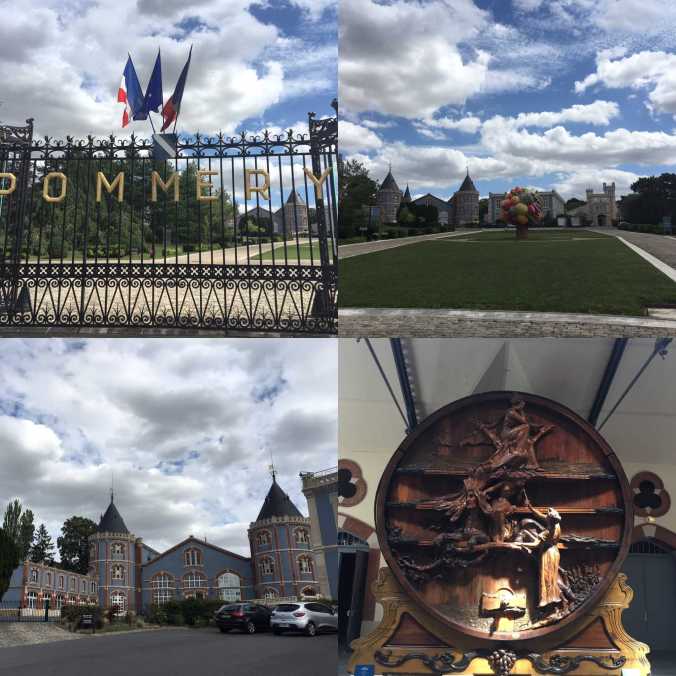
Pushing onto Reims with a scheduled arrival of just after 14:00 we phoned ahead and booked onto a tour at Champagne Pommery . We’ve stayed in Épernay many times but never made it to Reims so we thought a stop there was well overdue. It’s a complete contrast! A relatively modern city that had to be re built after being bombed with incendiaries by the German forces in World War One. Despite the bombardment the cathedral stands proud amongst the contemporary buildings which surround it, dominating the skyline.

The first thing that strikes you as you navigate your way across the invisible roundabout at the entrance to the Pommery estate is the sheer magnitude of it. We heard an amazing anecdote of how Madame Pommery keen to gain competitive advantage over her next door neighbour Ruinart, built one of the towers to obscure their building, hiding it from view to potential visitors!

Serendipitously we were early and offered the chance to have a private tour with Romain. In the main reception area is this
beautiful carved foundre which was used for a major expo in Missouri in the 19th Century. It depicts France giving the gift of wine to the Americans!


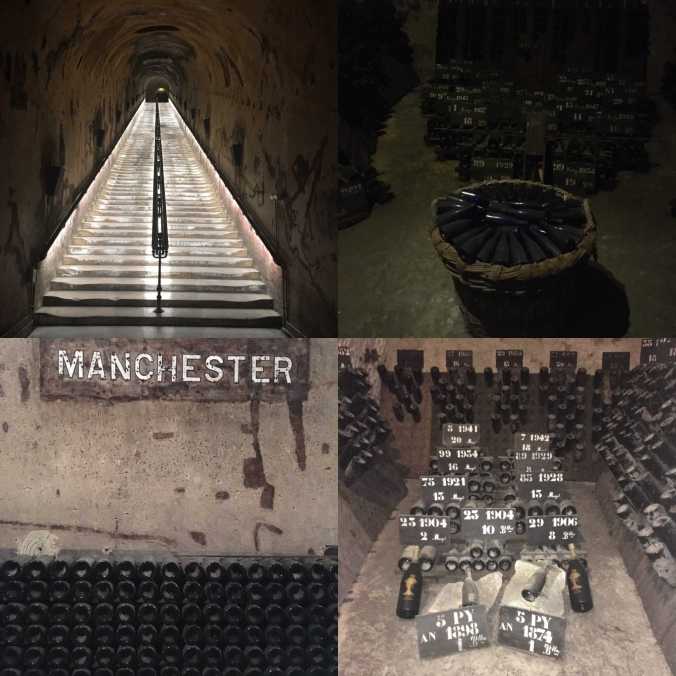
The tour began with Romain leading us down the illuminated staircase to the cavernous tunnels beneath the Domaine. We passed small 200cl bottles specially created by the innovative marketing department to meet the needs of discerning champagne drinkers hit by the 1929 Wall Street Crash and Great Depression that followed. Champagne was shipped directly to major cities until the Second World War. Each city had its own designated holding area in the cellars so as to demarcate their allocation. London, Birmingham, Manchester, Liverpool and Bristol are all names you can see. A selection of really old bottles on view.

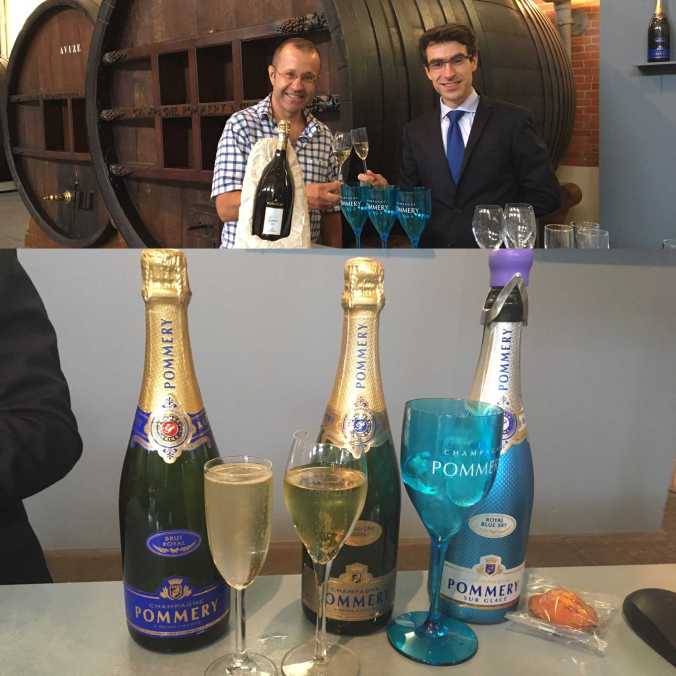
After the tour Romain took us through the tasting. During which time we learned the following interesting champagne facts:

A standard champagne bottle is called a champenois.

A cellar master who uses riddling by hand can handle 40,000 bottles a day. Riddling by hand is time consuming and can take 6 weeks to move the lees to the neck of the bottle for disgorgement. A gyropalette can achieve this in 5 days but can’t handle any bottle bigger than a champenois.

There are 18 kilometres of tunnels under the Pommery estate.

Many champagne houses started out making really sweet champagnes. This was because the vendage took place in July (to avoid spoiled harvest) often before veraison had happened and the grapes were still green. Typically 150g/L sugar was added for the dosage! 150 times more than today’s dry Brut style champagne.

Pommery was the first house to produce a Brut style of champagne.

Champagne flutes were designed primarily to allow the sediment to settle at the bottom of the long glass. Cloudy champagnes with the lees still floating were commonplace in bygone days. As champagne making evolved to produce the clear style we know today the glasses remained popular as it was found they also helped to preserve the bubbles!

We tasted three champagnes. The classic Pommery which is a mix of the classic trio of Champagne grapes, Chardonnay, Pinot Noir and Pinot Menier. This style is light and easy drinking with a floral nose, on the palate the aromas of lemon come through with a style that is dry with high acidity. I was first introduced to this at Le Majestic Barriere in Cannes where they serve this as the breakfast champagne complimentary!
Pommery Grand Cru Champagne

Made from only Chardonnay Pinot Noir from Grand Cru parcels and aged for a minimum of 6 years.

Pale gold in appearance with medium intense biscuity toasted brioche and caramel aromas on the nose. This champagne is developing nicely. On the palate, it’s dry with high acidity, medium alcohol, medium plus body, and a medium plus finish. It is well balanced and has integrated aromas with red fruit cherry, apple and lemon with more brioche and toasty aromas. A very good Champagne that is drinking well now with further ageing potential.

We also tried the new sweeter style of Pommery champagne which was a little too sweet for my liking at 37g/L. More like a sweet Asti Spumante in style but served on ice it reminded my more of Babycham than champagne!

After a fascinating afternoon at Pommery we headed South into Burgundy for our 2 night return stay at the CHÂTEAU de Courban .

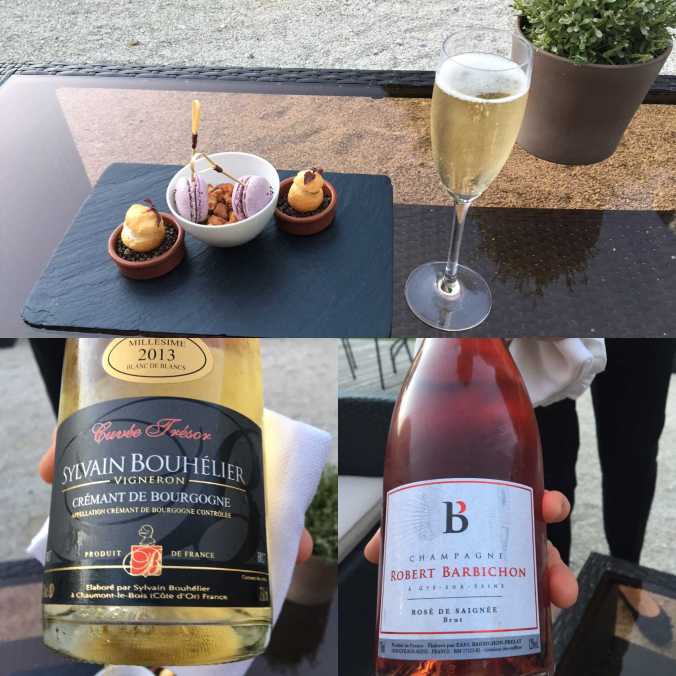
After a quick swim we took pre dinner drinks and Amuse Bouche on the terrace: with Gillian taking the local Blancs de Blancs Cremant and I the local Rose Champagne from a few miles down the road in Gye- sur- Seine.

The second Amuse Bouche of Turnip cream with crab and sesame arrived as we sat down to dinner. Jean-Noel our excellent sommelier recommend:

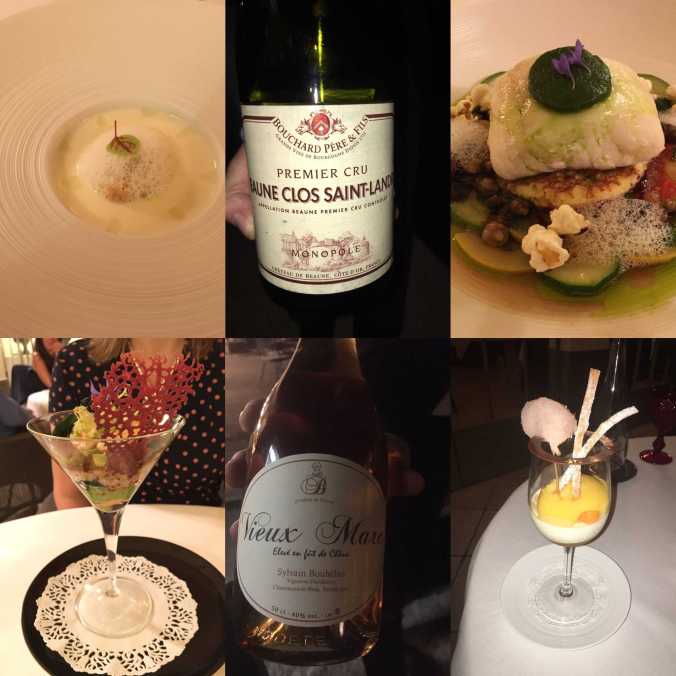
2012 Beaune Clos Saint-Landry by Bouchard et Fils
This was medium gold in appearance with lightly smoky and toasty nuttiness on nose and stone fruits, with hints of pineapple and lemon. This wine is developing very well. On the palate its dry with high acidity, medium plus body, high alcohol. Aromas of peach, apricot, lemon and lime fuse together with a background of minerality and subtle cedar that is integrated in a complex and seamless way. Rounded off with a very long finish. This wine has great balance of all components, structural complexity and intensity of integrated primary and secondary flavours. It really is outstanding now and will continue for a few more years yet.

And so to the Discovery menu.

Gambas, with quinoa, pea, caviar, flowers, lovely fusion of clean and fresh flavours to highlight the subtle taste of the prawns.

Cod steamed on a blini of polenta,courgette from the garden, red basil, popcorn, small mushrooms, foam, sauce vierge concentrated puree. Sensory overload of both visual intensity with taste explosions with bombs of coriander seed and Shimeji mushrooms creating mini aftershocks in a good way!

Desserts of ginger chocolate with rich cream basil and sorbet which was tangy and rich but not heavy with a lovely lingering warmth of ginger in the mouth.

A stunning use of herbs and fruit with Peaches, cream with rosemary, apricot and jelly – amazing!

We rounded off the evening in true Burgundian style with a degustion of Vieux Marc from a local Cremant producer who has his own distillery. Smooth and heady this sent us off into a peaceful and blissful nights sleep.

The Great Sicilian Escape

I’ve been anticipating this trip for several months. A country that’s as rich in its cultural heritage whether that be Greek, Roman or Phoenician as it is in its food and wine whether that be the searing acidity of those legendary Sicilan lemons or the sweetness of their ricotta filled pastries.Leaving a cold and damp Gatwick behind us on a Friday, our first surprise was an upgrade on our car from the charming Simona at Avis Preferred. Within an hour we arrived at the majestic Belmont Villa Sant’Andrea our base for the next 4 days. Set like a jewel into the rocks with an adorning landscaped garden giving way to breathtaking views of the ocean, its not hard to see why this is the hottest ticket in Taormina!

Receiving the warmest of Sicilian welcomes from La Bella Leah on reception we check into our room to be wowed with this view.


A nice touch was a welcome note from the General Manager with complimentary pastries.

After a quick dip in the chilly waters of the Med we headed round to the cove by the picturesque Isola Bella. There we found a beach restaurant, Ristorante La Pizzichella, with a deck which the incoming tide was lapping.

The perfect location we thought for pre dinner Negronis!


The first 2 were sooo good the words Ancora Negroni! Just tripped off our lips!

Such an idyllic location with the water lapping at our toes, it was hard to be beat so we just caught last orders at 19:45 for the kitchen and ordered the chef special,  swordfish linguini. Rounded off with a sublime bottle of Vignavella Chardonnay. Hints of oak and a dry acidity this was delicious although the Negronis impaired my memory any further.

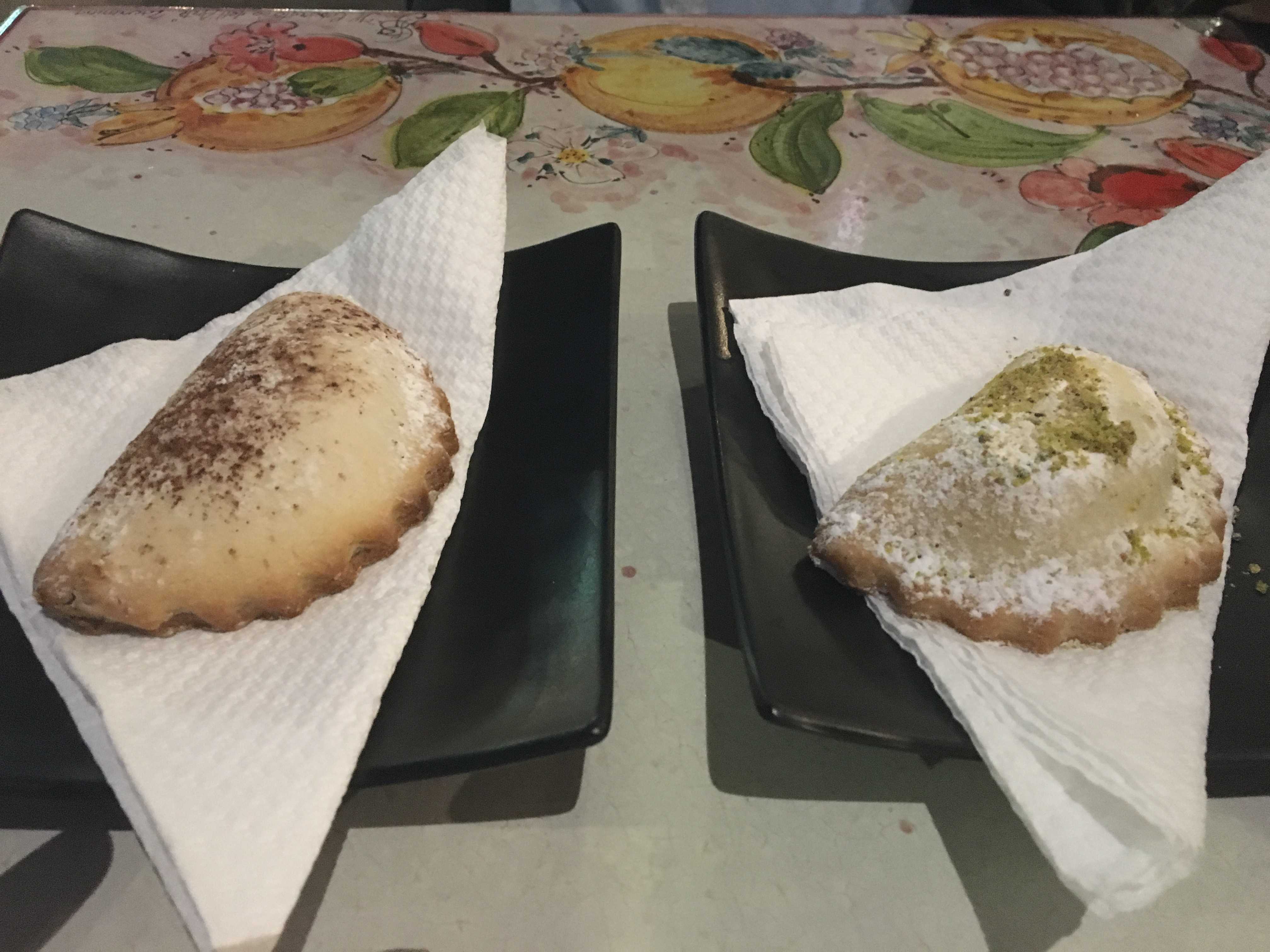
As we strolled back up the steps from the beach we felt a craving for something sweet to finish off! We found a delightful bar and Gelateria, Ai Paladini Cafe, a few metres down the road and fed our cravings with a selection of chocolate and pistachio pastries accompanied of course by some sweet nectar like Sicilian dessert wines.

As we ordered il conto the waiter brought us a local speciality of pistachio cream liquor which was something you could easily get addicted to!


Less than 24 hours in Sicily and we had already fallen in love with the island!


Power To The Pinot (Noir)!

In my world an appreciation of all things vinous is a journey rather than a destination. I’ve recently been studying for my Level 2 WSET which caused me to reflect on some aspects of my journey.

It has in the main been quite Franco centric and the stimulus of learning more about grape varieties that I thought I knew has got me seeking out alternative expressions of them.

I love Pinot Noir, but my exposure has been almost exclusively Côte d’Or. I did get to try a few interesting Alsatian Pinots when in Ribeauville a few years ago but I’d not really tasted many Spätburgunder from the Pfalz, Ahr, Rheingau, Rheinhessen or Baden.

Serendipitously last week I saw a Tweet from Wines of Germany about an event called “Power to the  Pinot (Noir ) wine tasting at the  recently opened German Gymnasium in Kings Cross on Tuesday night. Having secured 2 tickets I eagerly made my way over there to start my  German wine education.

Overwhelmed by the number of wines on tasting I decided that a strategic approach was required. I asked Emily, from Wines of Germany to recommend a different Pinot Noir from Ahr, Baden, Pfalz, and Rheinhessen. (Unfortunately the one I wanted to try from the Rheingau wasn’t available for tasting!).

img_0502

The AHR region

This is the northern most wine producing region in Germany and is dominated by Pinot Noir with 4/5 of production producing stunning red wines with a good reputation.

img_0497

2012 Spätburgunder Recher Herrenberg                                                                                                             

Jean Stodden

Simply Wines Direct £36.99

The wine takes its name from the men of the nearby village of Rech, which owned the Saffenberg , which has these vineyards at its peak.

Grown on volcanic slate in a centrally inclined 60% gradient south-facing slope affording excellent conditions to capture the sun. The terroir lends itself to producing elegant, partly full-bodied Spätburgunder wines with a high aging potential.

The hand-picked, strictly selected grapes were temperature-controlled for 18 days, without stalks, and fermented on the mash. Malolactic fermentation took place during storage (17 months) in new and used barriques.

Tasting Notes

Appearance: Clear, medium ruby

Nose: Clean, red fruit with vegetal notes of mushroom

Palate: Dry with more pronounced red fruit and secondary characteristics of ageing such as vegetal and mushroom, medium tannin, high acidity, medium body with a medium finish.

Conclusion: A great example of Pinot Noir with continued ageing potential.

An ideal pairing with venison.

2015 Spätburgunder

Jean Stodden

Location

This Spätburgunder comes from the best parcels on their steep vineyards in Rech and Dernau. Similar soils and clay to the Herrenberg with south and southeast facing slopes.

The hand-picked grapes were strictly selected in the vineyard as well as in the winery on the sorting belt and 14 days temperature-controlled, without stalks, fermented on the mash. Then 16-month ageing in barriques.

Tasting notes

Appearance: Clear, pale to medium ruby

Nose: Clean, red fruit.

Palate: Dry with more red fruits, noticeably raspberry and red cherry. High Acidity, high tannins, medium body, short finish.

Conclusion: A relatively young Pinot that is drinking well now but should gain more complexity with age like its older brother tasted just before.

An ideal pairing with lamb.

The BADEN Region

With a warm and sunny climate, Baden is the southernmost German region, stretching 240 miles from Lake Constance to Heidelberg.  Much like neighbouring Alsace, there is a great tradition of wine and food in part inspired by the dry food friendly wines made from Weissburgunder and Spätburgunder grapes

img_0498

2013 Pinot Noir Castelberg

Martin Waßmer

Situated between the Black Forest and Rhine lies the fertile Markgraeflerland region. Martin Waßmer’s vineyards are located in the idyllic wine towns of Dottingen, Laufen, Auggen and Schlatt. Generations of locals have been working in viticulture here with the earliest recored vineyard in Schlatt in 1298. The wines are fermented with their own natural yeast and matured in wooden barrels usually for a period of 18 months.

Tasting notes

Appearance: Clear, deep ruby.

Nose: Clean, medium to light intensity of plums.

Palate: Dry with red fruits and cherry. High acidity, high tannins, light body, medium smooth finish.

Conclusion: A good balanced example of German Pinot Noir, that is drinking well now but still has ageing potential .

An ideal pairing: Lamb

The PFALZ Region

Germany’s second largest wine growing region with a sunny climate that is similar to Alsace.

img_0499

2014 Spätburgunder Bockenheimer

Ludi Ness

These vineyards are situated in the north of the Pfalz region with a  cooler climate allowing  for a longer maturation of the grapes, which gives their wines an expressive character.Some of their vines are over 40 years old grown on mineral-rich limestone soils which yield powerful wines with a fine acid structure. This wine sees at least 12 months maturation in oak.

Tasting notes

Appearance: Clear, medium ruby.

Nose: Clean, medium intensity, plums

Palate: Dry, medium to high acidity, medium tannins, light to medium body, aromas of red cherry, with hints of violet and chocolate.

Conclusion: Well balanced very good example of Pinot Noir .

An ideal pairing: Lamb.

The RHEINHESSEN Region

This is Germany’s largest wine region accounting for twenty five percent of German vineyards area. It is situated in a valley of gentle rolling hills with many steep vineyard sites and a favourable climate

img_0501

2012 Pinot Noir Eichelberg

Steitz

Grown on volcanic soils with great ageing potential. 24 months in new oak barrels reduces acidity and softens tannins to fine grain finish for structure and elegance.

Tasting notes

Appearance:  Clear, deep ruby. Colour starting to change on rim.

Nose: Red fruits, raspberries, hints of vanilla and smoky violet notes

Palate: Dry, light to medium body, medium acidity, medium tannins, flavours of raspberry with further hints of violet and vanilla with a medium finish.

Conclusion: Complex and well balanced, overall my favourite of the tasting. Drinking well now but will keep yielding further complexity till 2022.

An ideal pairing: Rack of Lamb with a herb crust.

Unspoilt Quiet Beaches, Wine Tasting and a Killer Sunset – Another Day in the Paradise that is Maremma!

After a first full day in the paradise that is the Maremma, we wonder what day two would hold in store for us.

We had already researched that we could join a guided trek in English through the wilderness that is the Maremma National Park at 9am that morning. So we make an early start, leaving behind us Porto Santo Stefano, already bustling with life, its marina awash with daytrippers ready to board the shuttle service to Isola del Giglio.

We arrive in the sleepy village of Alberese just before 9am and make our way to the Tourist Information Centre to book ourselves onto the trek.

To our surprise we find that the English tour was the next day and that the Italian tour that day didn’t start until 10am!

Undeterred by this seemingly large setback we decide to take a flyer on the Italian tour with my limited knowledge of spoken Italian our restricted audio guide!

With an hour to spare before the tour begins we head over to a little cafe bar opposite, where we order two doppios and two large glasses of iced water and settle down in a shady spot to take refuge from the already searing heat with our holiday reading for amusement.

At five to ten the transfer bus rolls up with our guide who to our relief speaks some English and was an Ecologist from the University of Pisa.

Within 15 minutes we are in the thick of the park with wild boars and deer visible from the bus as we drive to the drop off.

The Maremma is one of the last great unspoilt ecosystems in Italy. Its biodiversity and beauty fiercely protected by controlled entry. Access to the park by vehicle is restricted to guided tours and these are limited to just a few a day.

One of the commonest trees indigenous to the park is the Mediterranean Oak which has evolved so that it can survive drought. Unlike our native English Oak it is an evergreen and is characterised by hard small green leaves. When thriving en masse like in the park it gives the hills and mountains an intense green colour that contrasts against the azure blue sky.

img_0830

Droughts here can be extreme, exacerbated by the permeability of the limestone rock which causes the winter rains to rapidly drain away.

The only sound we hear is the faint swish of waves lapping the shore below and a few odd cicadas at the end of their season, this is in contrast to late spring and early summer when their chorus of mariachi can be deafening.

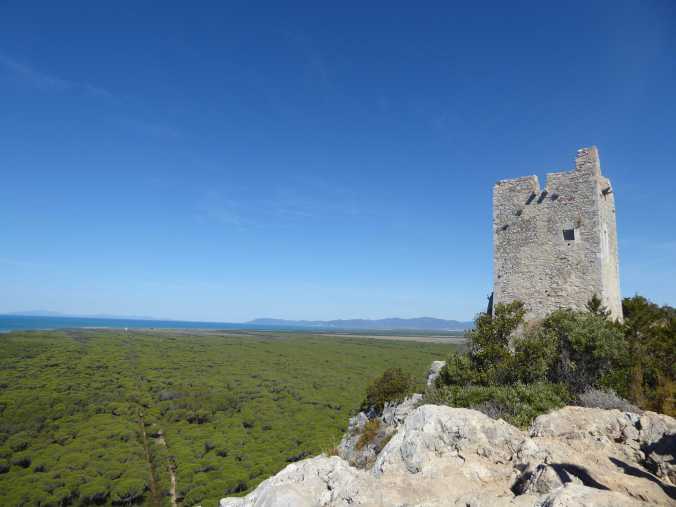
All along the Maremma coast there is a series of defensive towers a relic of the sixteenth century when this area was prone to raids by Saracen pirates

img_0831

A rich canvas of olive green hues leads out to the turquoise sea, beyond which the islands of Elba, Montecristo and even the faint outline of Corsica creep along the horizon.

The Maremma is also home to the Maremmana longhorned breed of cattle which can be traced back to the Etruscan period. After a period of population decline it has reasserted itself, thriving in the harsh environment of the Maremma.

image

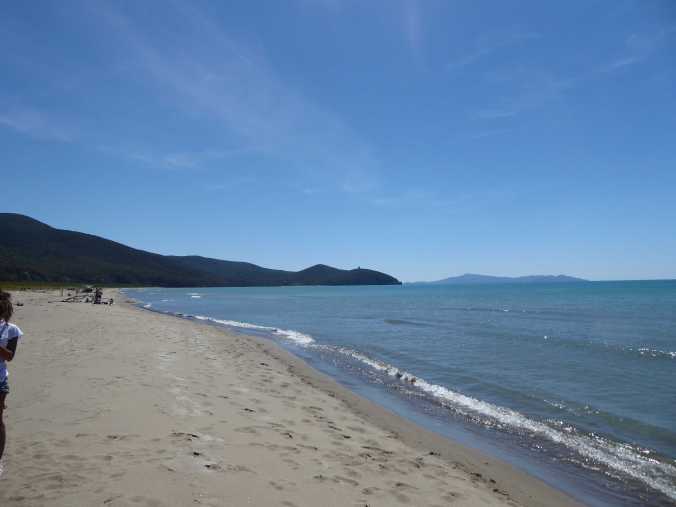
We descend down through the rocky path onto a huge expanse of wild beach, completely unspoilt and with just a handful of people sprinkled across the shoreline. Our guide advises us we have twenty minutes to take a refreshing dip before the short hike back to our bus so we take full advantage of this tranquil paradise.

image

We work up quite an appetite during our morning hike  and decide to head to the recommended nearby Osteria La Nuova Dispensa.

The recommendation is insightful! We sit in the shade under a pergola our table covered in a rustic style patterned cloth.

Highlights on the menu are the local charcuterie with cheeses and beef T-bone cooked Florentine style.

img_0921

We opt for both! The starter is a mix of spicy wild boar salami, strong flavoured capo collo and a silky prosciutto Umbria with strong umami. A glass of Maremma Sangiovese from the nearby Santa Lucia vineyard  accentuates the flavours even further. A crumbly pecorino cheese is served with wild honey from a local bee keeper.

image

The main course arrives with a simple garnish,it’s a full on fest of rare cooked meat on the bone simply flavoured with salt and pepper.

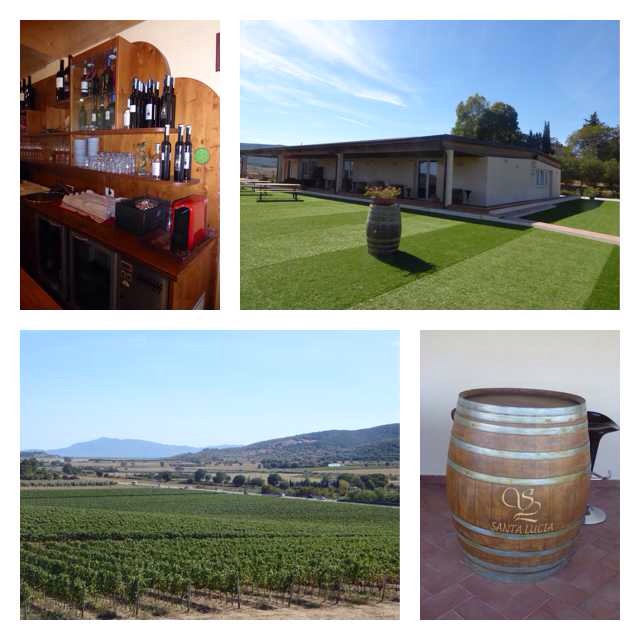
Our bellies full we head off in search of the Santa Lucia vineyard. Located near Grosseto it’s a fairly modern affair with a tasting room located in a large bungalow style building at the heart of the estate.

image

We had the opportunity to taste 3 wines:

Brigante: 100% Vermentino.

Betto: A Super Tuscan comprising Sangiovese, Cabernet Sauvignon and Merlot. Sour cherries balanced with sweetness of the Merlot to produce a great example.

Santa Lucia: 100% Ansonica. A great expression of the local varietal that is crisp with a steely minerality and aromatic nose.

We arrive back at Cala Piccola in time to catch the last shuttle down to the little cove at the foot of the hotel.

image

As the mountains start to shade the falling evening sun we indulge in some open water swimming in the warm clear turquoise waters and for a finale sip on some ice cold tequila sunrises!

Before dinner we are treated to one of the most dramatic sunsets we have ever witnessed.

image

As we sip our pre dinner drinks on our balcony the sun finally slips behind the distant Isola di Giglio and a cooling sea breeze blows in as we descend into darkness.

image

Dinner is a simpler affair this evening after our meatfest for lunch.

Emilano, the sommelier again delivers a perfect recommendation:  Vini Montauto Enos I, DOC Maremma Toscana. A wine made by one of Tuscany’s new generation of winemakers who are reinvigorating their family owned vineyards with new enthusiasm for producing stunning wines that really express the terroir in which they are grown.

Exhibiting a classic nose of Sauvignon Blanc with gooseberry, fresh grass and Granny Smith, a great balance of acidity and minerality with notes of white fruits, herbs, apple and star fruit rounded with a long finish and perfect with the light summer pasta.

img_0929

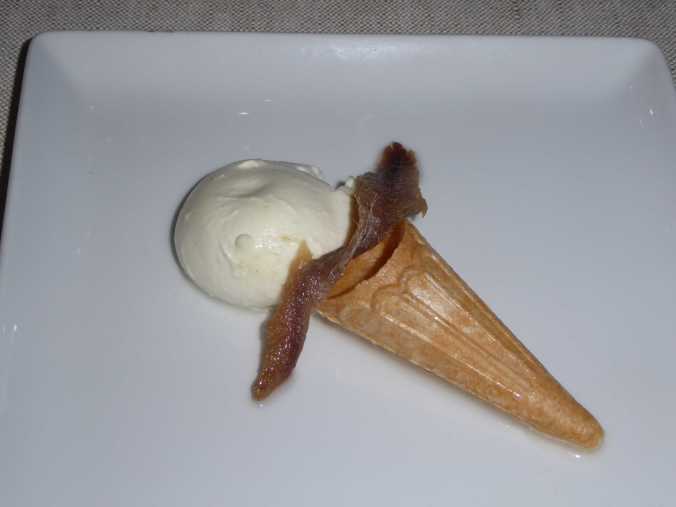
An appetiser of anchovy and buffalo mozzarella is very light, sourced directly from the farmer and served in a slightly quirky style. Nonetheless the saltiness of the anchovy balances nicely with the rich cream of the mozzarella!

img_0928


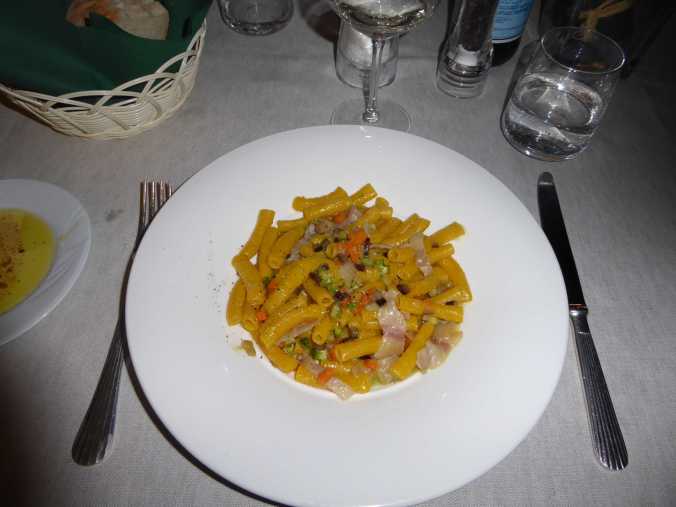
Our main course is macaroni with a mirepoix of carrot, aubergine and bacon bound in a light pea velouté. The silky yet fresh execution of this dish sings a ballad of summer with every mouthful.

image

We are again seduced by the Valrhona chocolate dome with passion fruit ganache and dried fruit crumbs. As spectacular in its delivery as it was the night before!

img_0931

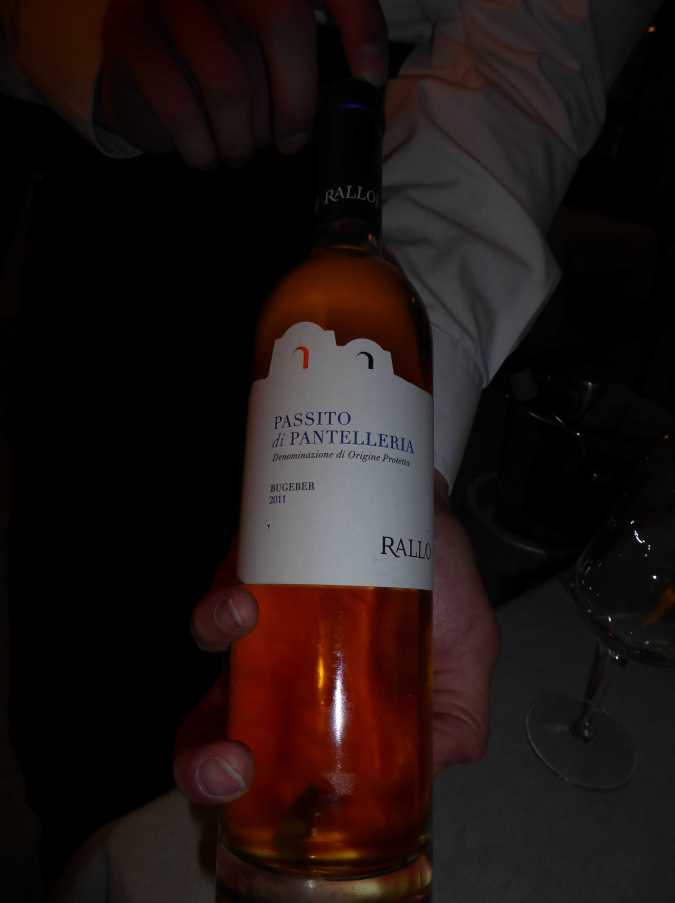
Notching up the ante just a little Emilano our sommelier recommends one of my favourite dessert wines the rare Passito Pantelleria from the tiny Italian island that is closer to Africa than Italy!

Its a heady fusion of honey and honeycomb which is a rich golden colour, with a palette of rich marmalade.

img_0930

With our second day in paradise drawing to a close we take a stroll around the gardens of the hotel serenaded by cicadas!


Northern Powerhouse!

Samuel Johnson, writer, journalist and critic is credited with the quote

“Why, Sir, you find no man, at all intellectual, who is willing to leave London. No, Sir, when a man is tired of London, he is tired of life; for there is in London all that life can afford.”

I wondered what Dr Johnson, as he was also known would have made of the regeneration and transformation of the great Northern city that is Leeds.

Anecdotaly I’ve heard that discerning global shoppers now shun London and make Leeds their first port of call when visiting the UK. It’s not hard to imagine why. An airport that’s close to the city with ease of transit through it on your return, with terminal departures area to gate in less than 10 minutes!

On every visit there’s something new, this time it’s a John Lewis department store to compliment the plethora of shopping malls. The retail scene catering for all tastes from the budget to high end.

img_0934

The Victoria Arcade is one of my favourites which could easily rival even the most exclusive Jermyn or Bond Street offerings, with classy jewellers, bespoke shoes and a Vivienne Westwood boutique to name but a few!

Leeds also has a huge amount to offer the discerning foodie. On a previous visit I posted a review of the Crafthouse restaurant which blew me away.

I’ve blogged before about the renaissance of the independent coffee shop in the face of the colonisation of high streets by Costabucks. Leeds is no exception. A little research led me to Laynes Espresso on New Station Street.

With a cool vibe and range of brew methods to show off their range of coffees plus some awesome breakfast offerings (shame I’d already eaten at T5!) this place rocks.

I go for the single origin El Sunzita from El Salvador by Stockholm based Drop Coffee Roasters. Brewed with the Classic V60, a nice touch is the tasting coffee mats which they hand scribe with tasting facts for the single origin that you are drinking! Indeed their insights are spot on with notes of milk chocolate sweetness, apple acidity and nuts!

Leaving the hipsters at Laynes behind I go in search of the new redeveloped south side of Leeds. Inside the Vue cinema complex called The Light I find La Bottega Milanese.  An authentic Milanese style espresso bar serving Italian pastries and amazing Piadina (Italian Flatbread) toasted sandwiches. Here they not only sell a range of coffee beans but also the kit to brew it with from the stylish Aeropress to the Classic V60.

Before leaving the city there is just time to take in a quick early dinner at Pintura, an authentic  Basque style Pinxto restaurant. The place is fairly quiet as it’s only 5pm so I opt to sit up at the counter and start chatting with Jimmy the chef.

Going with his recommendations I choose three small dishes, his colleague recommends three sherry pairings which set off the three dishes nicely!

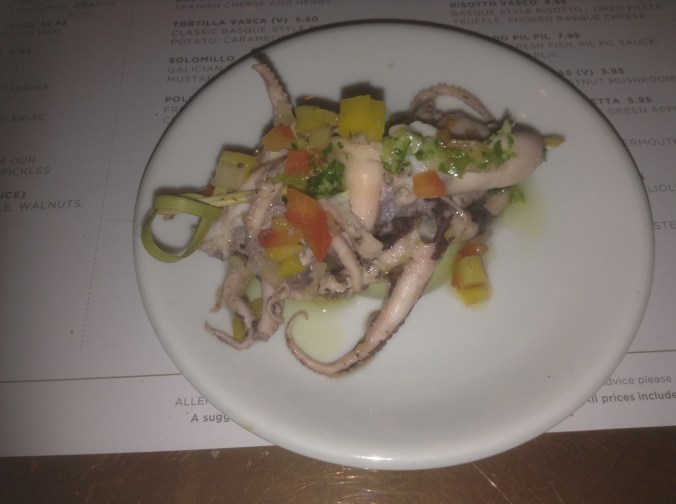
Pulpo Salpicion

A delicious pickle of Octopus, Peppers, Onions with Sherry Vinegar. A real sweet and sour surprise with the octopus al dente.

Served with a bone dry Williams and Humbert Manzanilla with the saltiness that compliments this seafood dish.

image

Brochette de Queso Y Jamon

Intensely rich and buttery Iberica Ham with a hard tangy Goat’s cheese

Served with a Williams and Humbert Palo Cortado 20 year old.  A great fusion of sweet and savoury to compliment the contrasting flavours in the brochette.

Chistorra

Tiny small but spicy chorizo sausages fried on the plancha grill.

Served with a full treacle like and rich Williams and Humbert Pedro Ximenez (PX) 20 year old that total handles the chilli heat and enhances the sweetness of the chistorra.


I just have enough room to squeeze in a…..

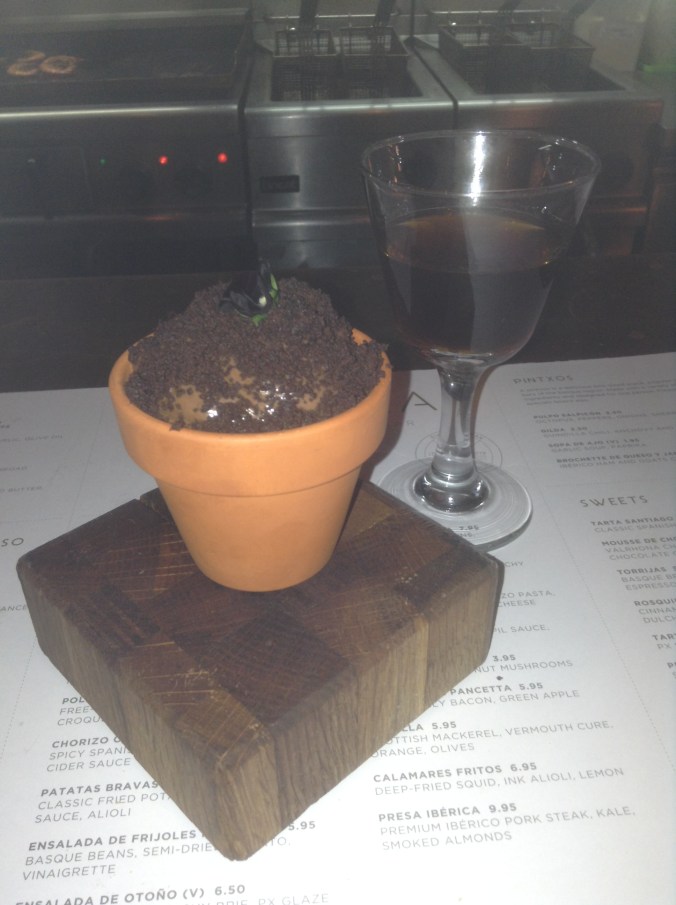
Mousse de Chocolate

Divine and sublime Valrhona chocolate in a rich mousse topped with a chocolate crumb

image

Served with a Williams and Humbert Sweet Old Oloroso, 15 year old semi sweet so as not to cloy with the chocolate and yet enhancing it at the same time.

I’m transported back from San Sebastian to reality as my taxi driver calls to say he is outside! He whisks me  back at the airport in time for a quick look around the Duty Free before boarding the flight back to London eagerly anticipating my next visit to Yorkshire!


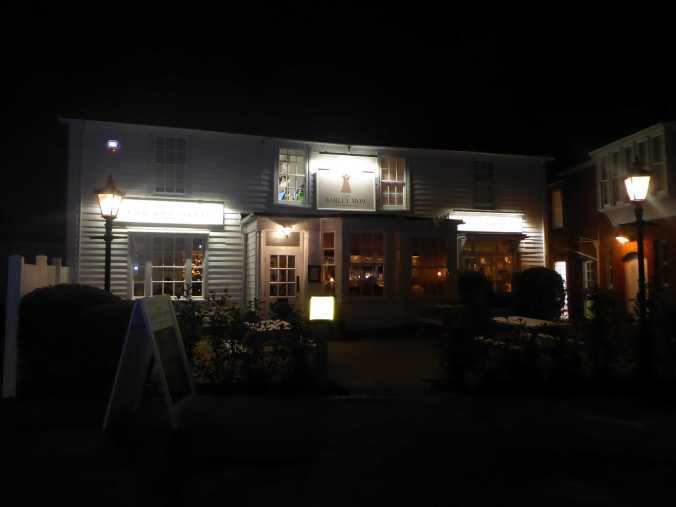
The Barley Mow – Englefield Green’s Newest Gastro Pub Puts On A Great Show!

There has been much talk locally about the fate of the former shabby pub that occupies arguably one of the most coveted positions on the village green in the North Surrey village of Englefield Green.

In the fifteen or so years that I’ve lived here it’s always been a fairly average pub and never ever managed anything more than a notch above that which can be microwaved or put in a deep fat fryer.

We locals have been waiting in anticipation when local gastro pub chain The White Brasserie Company (sister company of the well established Raymond Blanc franchise Brasserie Blanc) took over the Barley Mow .

Over the last few months they have heavily invested in refurbishing and extending the premises breathing new life into the tired old building.

Last night the second soft opening took place and I was lucky enough to secure a table to sample the fruits of their labours!

Located just 1/2 mile from my house and a brisk 10 mins walk we were looking forward to having a place to eat on our doorstep that didn’t involve a taxi or train ride.

On arrival we met the charismatic Johnny O’Connor, the GM steering the ship, a great host but obviously a man who takes his craft seriously as he skilfully manages his brigade of staff to deliver a fairly impressive service.

img_0847

Once inside, the decor is bright yet cosy. There is a small bar with a full range of pre dinner drinks and cocktails available including an outstanding Sauvignon Blanc on tap and a Fleurie!

If you are a lover of all things that is the drink of the moment; GIN, then this is the place for you! An impressive range of Gin’s to suit all tastes from the classic Hendrik’s to the stellar aromatic Gin Mare.

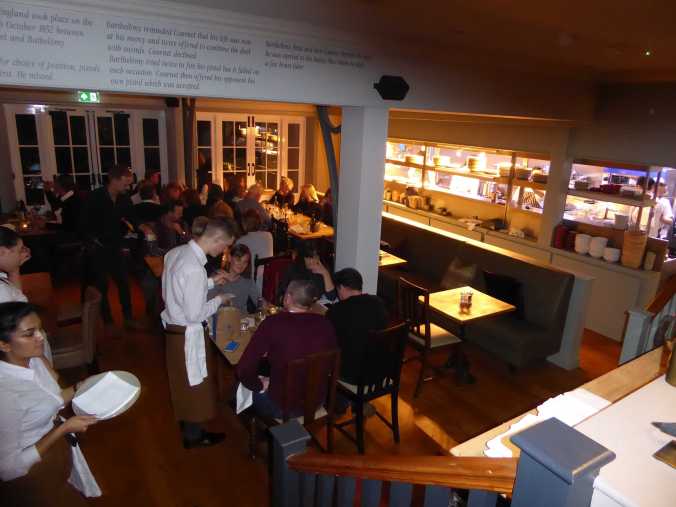
The dining area is split on two levels; the new larger lower level looks into the open kitchen, a signature feature of Brasserie Blanc’s, revealing an openness and transparency of what goes on in the kitchen!

img_0854

As its a chilly night outside we opt for the slightly more intimate and cosy upper floor and choose a table adjacent to a roaring log fire, it’s warmth a welcome addition to the ambiance.

img_0857

After taking some time to cogitate and deliberate over the extensive menu, I’m seduced by the Hake for mains which I had a year ago on a visit to Brasserie Blanc in Winchester and which wowed me then. My other guests make their choices and I order a delicious Pouilly Fumé at a very modest mark up on retail price.

It’s crisp and fresh and the perfect partner to my choice of starter…

Starter

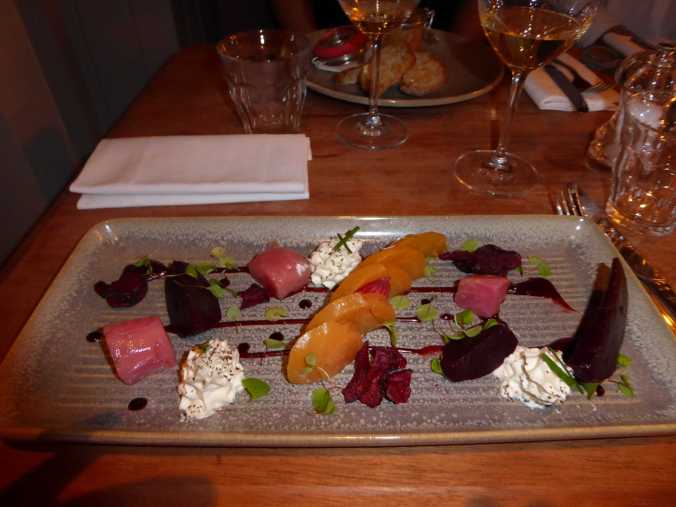
Rainbow smoked beetroot & goat’s curd salad, balsamic dressing & beetroot crisps.

One of the best iteration’s of this classic that I’ve tasted. The secret… The beets are steamed separately unpeeled to preserve colour, then peeled and cold smoked in their own in-house smokery. Finally, to finish the dark beets are marinated in a red wine marinade and the the lighter colours in a white wine marinade. The result a visual stunner that balances sweet and sour  flavours with the lightness of the goat’s curd.

One course in and I’m already loving this place!

img_0849

Main Course

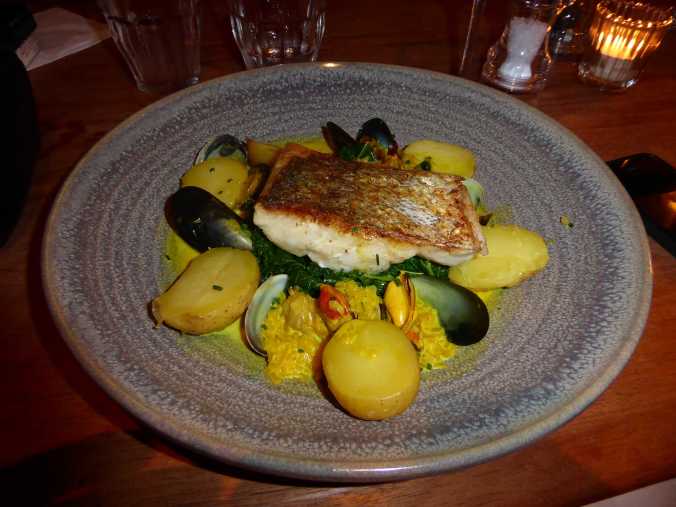
Roast hake fillet with saffron sauce, mussels, clams, kale, new potatoes.

I had already bigged up this dish to my guests and and wasn’t disappointed when it arrived, the wonderful aroma from the saffron sauce tantalising my taste buds. The Hake cooked to perfection, crispy skinned and yet moist so that it’s delicate flavour and texture could express themselves in the luxurious combination with sweet mussels and clams. Al dente kale and new potatoes provided an unfussy but necessary balance to the flavours on the plate.

Wine number two was a budget favourite from Rare Vineyards; one whose modest £23 price tag totally under estimates the sublime combination of Marsanne/Viognier that was the perfect partner to our quartet of fish that were our main courses.

Asking our waiter, Vince for a soup spoon to ensure that not a drop of the saffron liquor was wasted the only debris left on the plate were the discarded mussel shells!

img_0850

Cheese Course

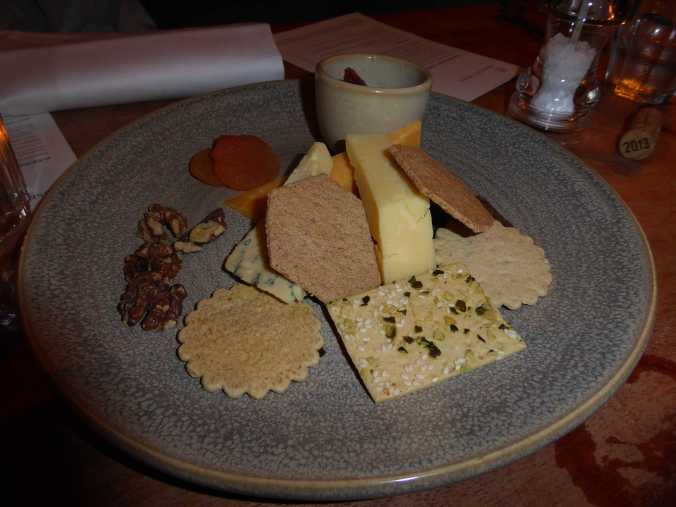
Selection of traditional seasonal artisan cheese; Double Gloucester, Keen’s Cheddar, Yorkshire blue

Having already decided unanimously as a table that we were all going for the French classic Tarte Citron we decided to share one cheese course between four.

Beautifully presented with a tangy red onion marmalade and garnished with dried apricots and candied fruit the cheeses went down a storm. In my book Keen’s Cheddar is up there as one of the greatest English cheddars that exists. Made the same way it was a hundred year’s ago from raw unpasteurised milk it’s flavours, strong deep and full of umami!

The Yorkshire Blue creamy and yet with a delicious savoury saltiness! I could see myself popping in for a cheese course after dinner at home without the guilt of having a pound of cheeses tempting me in the fridge at home!

img_0852

Dessert

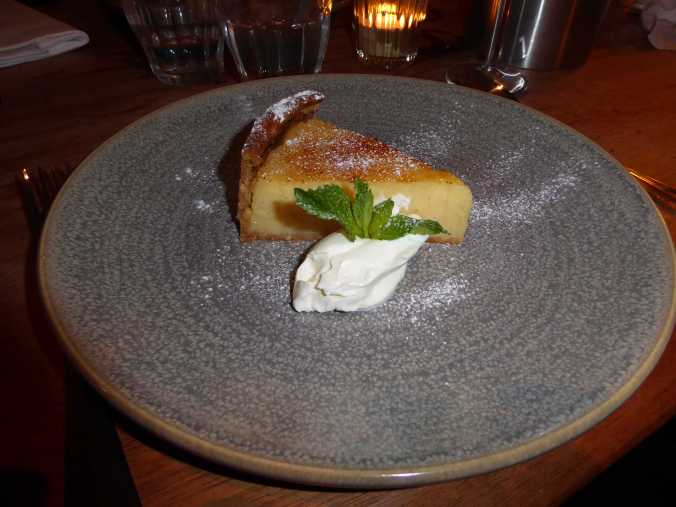
Classic deep-baked lemon tart, crème fraîche

And so to dessert. A deep slice of sunshine with a lovely caramelised surface courtesy of chef’s blow torch! The tart zing of lemon balanced perfectly with the custard creme filling and offset both decoratively and flavour wise with the off sour tang of a thick crème fraîche.

Bringing this triumphant finale to a close, to accompany the dessert we had a classic Muscat de Beaumes de Venise, one of my favourite sweet wines…

img_0853

But we were not done and in a defiant act to prolong our enjoyment of the evening further we ordered post dinner cocktails!

img_0855

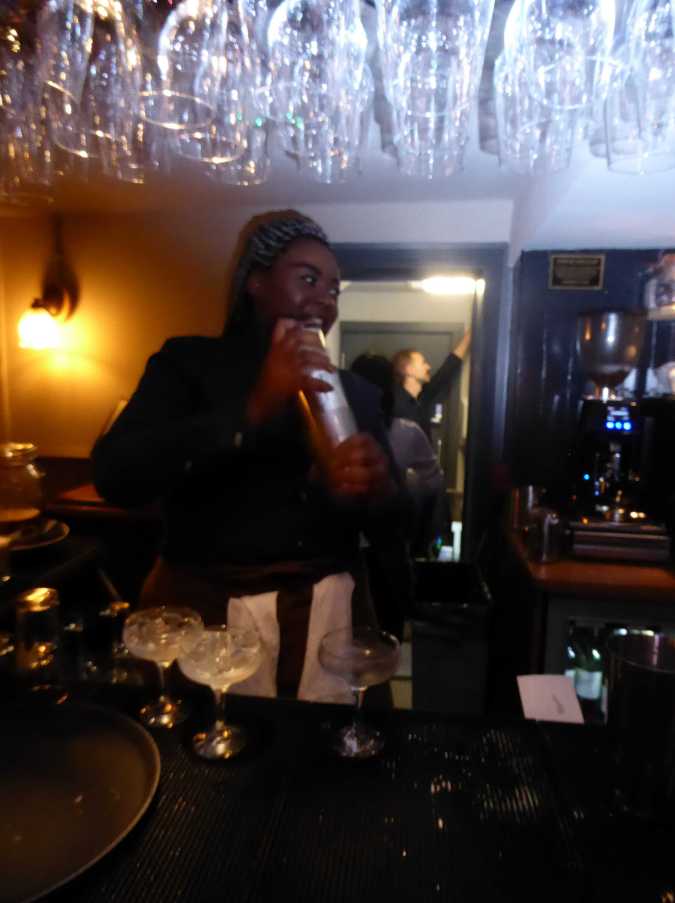
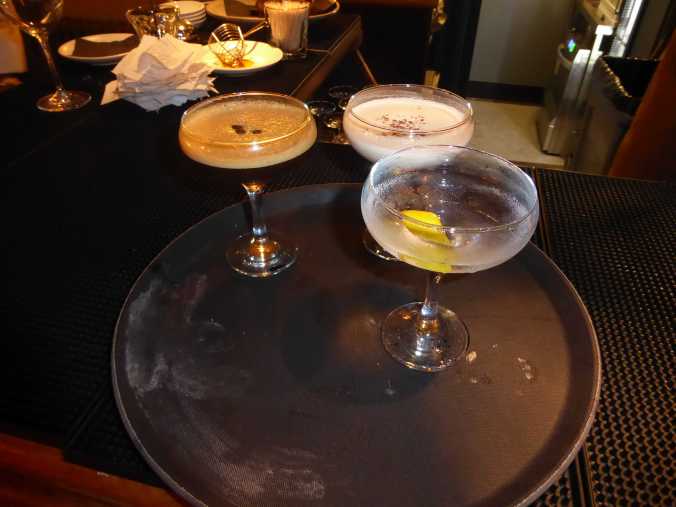
Legér whose job it is to keep the wine and cocktails flowing took to making several new off piste cocktails to keep us happy in addition to her signature Espresso Martini!

img_0856

Espresso Martini using Stoli! A Barley Mow twist on the Brandy Alexander and of course the quintessential Bondesque classic Vodka Martini, shaken not stirred!

img_0858

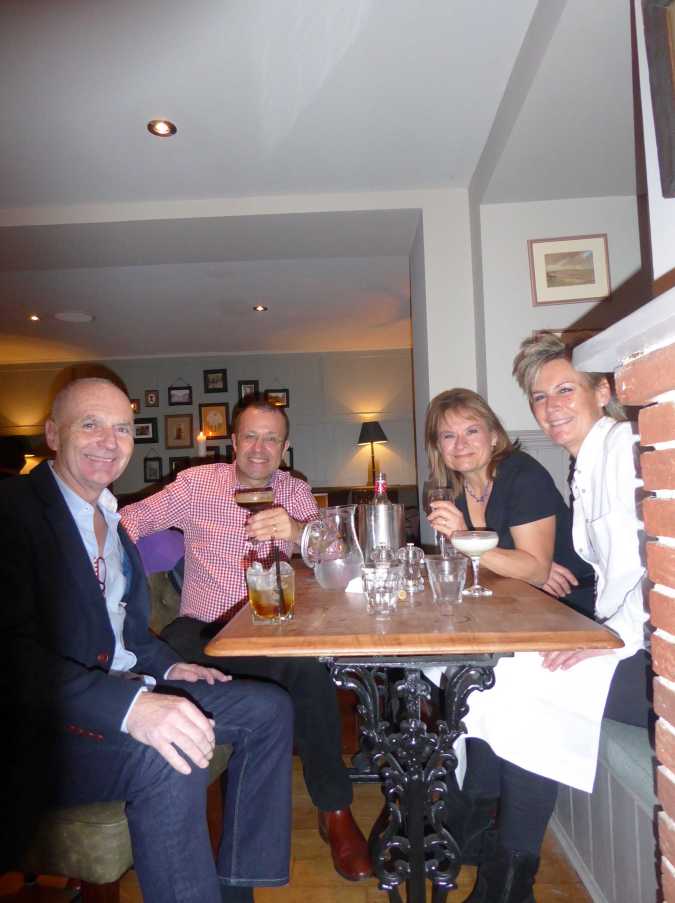
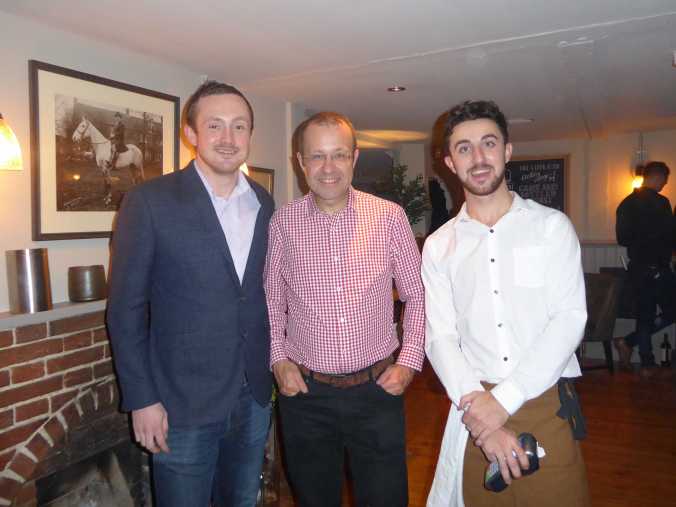
Johnny, Tim and Vince by the log fire in the upper restaurant.

All in all a fantastic night! If they can maintain this quality of service and food this is going to be a real local asset and transform the restaurant scene in the village.

If you need any more of a recommendation I’ve just booked for Christmas Eve, but don’t delay as they are already filling up..

The Barley Mow, Englefield Green, Surrey, TW20 0NX, 01784 480210

Official Opening 28th November 2016


Seaviews, Sublime Wines, Sunshine & Stunning Sunsets and a Gourmet Dinner; Is It a Dream or Are We In Paradise?

The long journey down from Lake Como had really wiped us out so there was no chance that we were going to see the sunrise over the Tyrrhenian Sea! When we did eventually wake up we were in awe at the stunning views from our room.

image

The room was really well appointed inside too with a large bathroom comprising of a walk in shower, deep bath and his/her twin sinks.

Our decadent lie in precipated a quick turnaround if we were going to make breakfast which finished around 10:30am.

We made our way down to the restaurant which afforded similar views of the cove below to our bedroom but with the added benefit of parasols to shade you from the increasing burn factor of the sun.

Breakfast was a feast in itself! We were given a table at the edge of the restaurant with one of the best views by the charming Alessandro. Then its was down to the serious business of making some tough decisions about the buffet.

For me a no brainer, salty prosciutto and sweet melon, toasted sesame bread with local cheeses and honey rounded off with the obligatory double espresso!

As we breakfasted with the azure blue sky and olive green pine trees providing a natural wallpaper behind us our thought turned to how we were going to spend our next four days in paradise.

I’d already researched that there was as interesting Antinori coastal vineyard near Castiglione della Pescaia and we thought the coastal town itself would be worth a punt. Chatting with the guest relations team we also discovered a guided walk in the nearby Maremma national park and the thermal springs at Saturnia were a must.

I phoned Le Mortelle, the Antinori vineyard only to discover that the only English speaking tour was on Saturday, the day that we had booked to do the national park walk. We decided to head down towards Castiglione della Pescaia anyway and do a drive by if the vineyard was on the route!

As luck would have it as we neared Castiglione dell Pescaia we picked up some tourist signs  for Le Mortelle (Antinori vineyard).

As we drove down the dusty track to the tenuta (estate) it was flanked by rows of vineyards.

Le Mortelle Vineyards

On arrival we were met by the charming Barbara who explained that although the full English tour was as we knew the next day she could do a personal tasting of their wines for us!

image

The estate covers a huge 270 hectares of which 160 are planted with grape vines. There are also 15 hectares of organic fruit orchards. The two main varietals planted are Sangiovese and Cabernet Sauvignon. Recently they have also begun to cultivate white varietals such as the local Ansonica, Vermintino and Viognier.

It’s also remarkable for it’s commitment to sustainability, with the design of the cellars underground on a system of levels to allow  production “by falling”. The grapes arrive at the upper level  with the vinification process continued on the middle level and the ageing on the lowest level before the wine is ready for sale.

The cellars are lit by lateral openings in the ceiling and a huge one at the top of a helical winding staircase which connects all the levels.

After an introduction to the estate it was down to the tasting. This took place outside on the terrace with stunning views over the terroir.

image

2014 Vivia – Maremma Toscana

Using the typical Tuscan varietals of Ansonica and Vermentino with Viognier added after years of experimentation to find a suitable aromatic varietal to balance the blend. The result is light pale straw coloured wine, with a nose of stone fruits , white blossom and candied pineapple. On the palette, white pepper and spice with peach with fresh acidity. A fat and full flavoured wine with a smooth finish. Ansonica whether in a blend or on its own should usually be drunk young.

2013 Botrosecco – Maremma Toscana

Taking its name from a now long dried out ancient moat on the estate this blend is 60% Cabernet Sauvignon with 40% Cabernet Franc for balance. Notes of vanilla on the nose from the oak barriques, fruity aromas when mixed with the vanilla reminiscent of blackberry crumble. A dark cherry colour with a fuller finish. Still some tannins, pepper, star anise and spice on the palette.

2012 Poggio Alle Nane – Maremma Toscana 

The premium blend from this estate. 80% Cabernet Franc with 20% Cabernet Sauvignon. the terroir and microclimate of where these grapes are grown on the state yield the highest potential on the estate for fine wine.

A nose of tar and cherry, intense blackcurrant fruit and peppery spice on the palette with soft tannins and a full long finish with complex flavours. Would be an ideal partner for bistecca fiorentina. 

Barbara also arranged for me to taste 2 other wines which are produced only for sale at the estate.

Rosé Mortelle

A dark rose colour with a nose of cherry boiled sweets, continuing onto the palette. A full dry finish with rose hip acidity and freshness. Would be a great as an aperitif or with canapés.

Roso Mortelle

Made with 100% Sangiovese , this had notes of black cherry on the nose with a light fruity style on the palette and a hint of young slightly spicy morello cherries. The finish was short. Drinking young as an everyday wine with charcuterie, pizza etc…

The final tasting treat was an Eau de vie made from organic plums. A whopping 42% Alc, a strong clear spirit with a background flavour of plum. Unusual and one that I felt compelled to purchase.

Distillato di Susine – Le Mortelle

image

This was one of the most scenic estates for a tasting on the whole tour.

Panoramic view of Le Mortelle vineyard from my tasting seat!

Laden with our purchases and some tasty produce from the organic farm shop we made our way back down to the coast. Our energy levels slightly sapped by the heat of the Tuscan sun we found some cheap parking just a few hundred yards from the public beach in Castiglione dell Pescaia.

image

Taking a dip in the warm but still refreshing waters of the Tyrrhenian Sea we cooled down sufficiently before heading back to Monte Argentario and our hotel at Cala Piccola.

That evening we decided to dine al fresco in the hotel restaurant. Their chef, the very talented Salvatore Cioce had a 5 course tasting menu on offer, it looked to go to miss!

Taking pre dinner drinks on the terrace of our room before sunset we were anticipating a gourmet evening ahead of us.

image

Although by the time we sat down to dinner the sun had set it was still magical to be eating under the moon and stars.

We turned out attention to the menu and without hesitation plunged into the 5 course course tasting menu that had caught our attention earlier in the day.

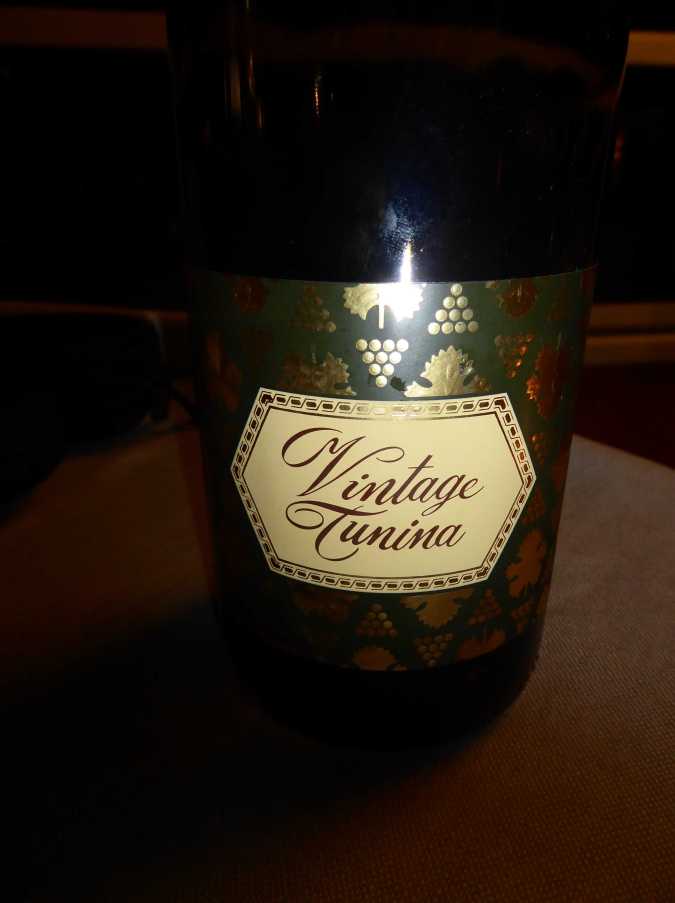
Whilst salivating over the menu the sommelier, the charming Emiliano Leuti, recommended us this stunning wine from the Friuli Venezia Giulia region. A Vintage Tunina Bianco 2013. Made from Sauvignon, Chardonnay, Ribolla Gialla, Malvasia Istriana, Picolit grapes. This is a fantastic blend. Brilliant straw-yellow colour with golden highlights. On the nose the aromatics hit you with elegant notes of honey and wild flowers. On the palette, Its taste is dry, velvety, and complex with fat flavours of quince and lychee and a hint of mandarin, ending on a rounded and long finish. Still relatively young but with definitely another 5 years in the tank! This is also a very versatile wine that was perfect for the tasting menu and its range of big flavours!

image

The Amuse Bouche set the standard for the gastronomy that followed. A Buffalo cream ricotta cheese with black pepper and light and crispy crostini. The ricotta was light and velvety in texture yet rich in flavour.

image

Following on; the next course was scallops wrapped in pancetta in hazelnut butter with apple jelly and spinach foils. The scallops were sweet and cooked to perfection and lifted to heady heights by the sweet mango sauce.

image

Canteloupe melon gazpacho with whole langoustine lightly marinated in citrus fruits with mandarin flavoured mayonnaise. Beautifully decorated with wild flowers! My first ever melon gazpacho which balanced perfectly the sweetnesses of the soup with the saltiness of seafood.

image

Veronese Vialone Nano risotto with local squid, salmon caviar and sepia powder. Visually stunning and theatre in itself,  this dish contained concentrated seafood flavours, rich and al dente risotto with a dusting of squid ink for show!

image

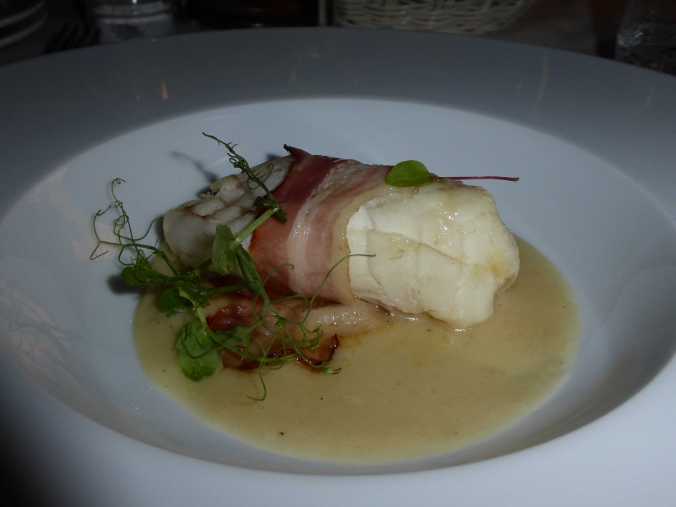
Monkfish fillet in panchetta on crovarelle potato cream and crustacean bisque. A classic combination, well executed and cooked to perfection.

image

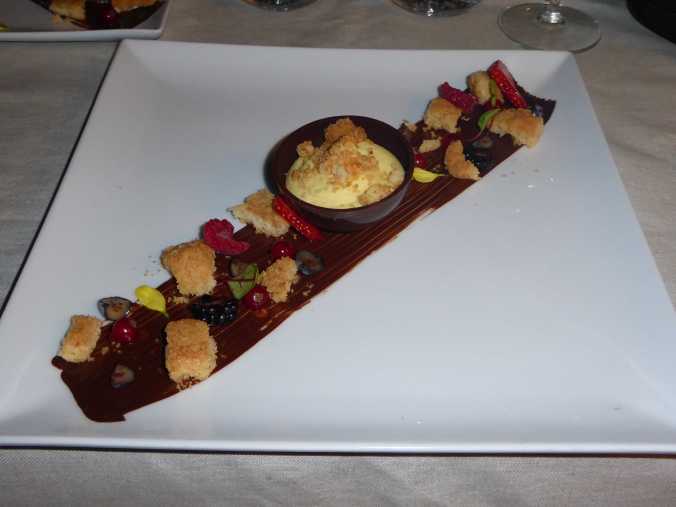
Valrhona chocolate dome with passion fruit ganache and dried fruit crumbs. The last course and definitely a show stopper! The king of chocolates used creatively for a chocolate boat with passion fruit cream and then as a chocolate carpet to bind together fresh seasonal fruits and toasted sweet biscuit! Absolutely sensational. Emiliano also wanted to make sure this triumph had its own special partner and so recommend a lovely slightly sparkling red from Montalcino.

image

The Rosa Regale Brachetto D’Acqui from the famous Banfi house in Montalcino was the perfect partner to the chocolate fest; almost like a sweet low alcohol (7%) sparkling cherry cordial! Delicious.image

We strolled back from the restaurant taking a post dessert espresso on the  terrace listening to the sounds of waves crashing onto the rocks before we headed off to bed.